



Startups live in a fast-paced world where every decision, tool, and resource can make or break momentum. Teams juggle multiple roles, wear different hats, and thrive on agility. In such an environment, AI voice assistants have moved beyond being futuristic gadgets and emerged as powerful allies in driving productivity, collaboration, and efficiency.
With the rise of AI voice generator tools and voice-enabled workflows, startups now have a competitive advantage: they can reduce manual effort, streamline communication, and even build stronger brand experiences. Let’s dive deep into how startups can strategically leverage AI voice assistants, the best tools to explore, and real-world use cases that showcase their transformative power.
Why AI Voice Assistants Are Crucial for Startups
Unlike large enterprises with established processes and big budgets, startups must constantly innovate while managing limited resources. Traditional productivity tools help, but they often require manual input, screen-time, or repetitive effort. AI voice assistants cut through these inefficiencies by enabling:
• Hands-free productivity – Founders and teams can dictate tasks, notes, or emails instead of typing.
• Faster decision-making – Quick access to data, updates, and reminders keeps projects on track.
• Seamless collaboration – AI assistants can join meetings, summarize discussions, and assign tasks automatically.
• Enhanced customer engagement – Voice-enabled chatbots and support systems reduce friction in customer interactions.
The result? Startups save time, minimize burnout, and focus more on scaling their core business.
Strategic Benefits of AI Voice Assistants
AI voice assistants are not just productivity hacks—they are strategic growth enablers. Here’s how they support startups at different levels:
1. Founder and Leadership Productivity
Founders often struggle with context-switching. From pitching investors to managing operations, their schedule leaves little room for deep work. Voice assistants can:
- Schedule and reschedule meetings in real time.
- Pull up data during investor calls.
- Draft voice-to-text notes for strategic planning.
2. Team Collaboration
Voice-driven collaboration reduces friction across remote or hybrid teams. Assistants can:
- Transcribe and summarize team meetings.
- Translate conversations for global teammates.
- Create task lists and send them directly to project management tools like Asana or Trello.
3. Customer Experience
Startups that adopt AI-driven customer support gain a reputation for being responsive. Voice assistants can:
- Handle FAQs through voice-enabled chatbots.
- Provide multilingual support with AI voice generator technology.
- Personalize interactions by recognizing returning customers.
4. Marketing and Branding
With AI voice, startups can humanize their brand. Instead of robotic tones, businesses can use natural, branded voices powered by AI. This helps with:
- Podcast narration.
- Social media voiceovers.
- Branded customer support greetings.
The Role of AI Voice Generators
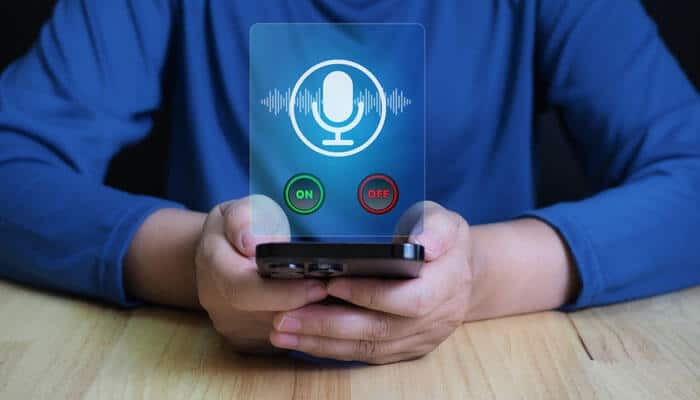
An AI voice generator plays a key role in extending the capability of voice assistants. It converts text into lifelike speech, giving startups flexibility in content creation, customer support, and marketing. Unlike traditional text-to-speech, today’s AI voice generators offer:
• Natural, human-like tones with emotional variation.
• Multiple languages and accents to target global audiences.
• Custom voices that align with a brand’s identity.
For example, a SaaS startup can use AI voice generators to create onboarding tutorials in different languages, while a health-tech startup can build a voice-driven FAQ bot for patients.
Tools and Platforms Startups Can Leverage
Startups don’t need to reinvent the wheel. Multiple tools already exist that integrate AI voice assistants and generators seamlessly:
1. Google Assistant & Alexa for Business – Best for scheduling, reminders, and quick research.
2. AI & Fireflies.ai – For meeting transcription, summaries, and task automation.
3. Descript & Murf.ai – AI voice generator platforms for content creation and branding.
4. AI & Dialogflow – To build voice-enabled chatbots and customer support systems.
5. Notion AI with Voice Integration – To capture notes and tasks directly through speech.
Choosing the right mix depends on the startup’s needs—whether it’s operational efficiency, content creation, or customer engagement.
Real-World Use Cases of AI Voice Assistants in Startups
Case 1: SaaS Startup Scaling Support
A SaaS startup integrated AI voice assistants into its support desk. Using a voice-enabled chatbot, it handled 70% of customer queries automatically. With an AI voice generator, it delivered personalized voice responses in English and Spanish. This reduced support costs and improved customer satisfaction.
Case 2: Health-Tech Startup Enhancing Accessibility
A health-tech startup serving elderly patients deployed AI voice assistants for appointment scheduling. Patients could simply “speak” their requests instead of navigating apps. The startup also created instructional videos with AI voice generators to explain medication usage. This improved accessibility and trust.
Case 3: EdTech Startup Driving Engagement
An EdTech startup used AI voice assistants to support teachers and students in online classrooms. Meeting summaries, voice-driven note-taking, and multilingual explanations made learning smoother. They also used an AI voice generator to produce narrated explainer videos quickly, saving content teams hours of work.
Best Practices for Startups Adopting AI Voice Assistants
To maximize benefits, startups must approach adoption strategically:
1. Start small, scale smart – Begin with one use case, such as meeting transcription, before expanding into customer-facing solutions.
2. Focus on integration – Choose tools that integrate with existing systems like Slack, Zoom, or CRM software.
3. Maintain brand consistency – If using an AI voice generator, ensure the tone matches your brand’s personality.
4. Prioritize data privacy – Customers trust startups that handle their data securely. Select voice tools that comply with GDPR and other regulations.
5. Train teams effectively – Educate employees on how to interact with AI voice assistants for maximum impact.
The Future of AI Voice for Startups
Voice is becoming the new interface of productivity. As AI voice assistants grow more intelligent and AI voice generators evolve, startups will move from reactive adoption to proactive innovation. We can expect:
- Hyper-personalized voice interactions tailored to user preferences.
- Voice-enabled analytics dashboards for founders and managers.
- Deeper integration with IoT devices in smart offices.
- Scalable multilingual support for global expansion.
Startups that embrace this shift early will not just save time—they will redefine how they work, collaborate, and connect with customers.
Final Thoughts
AI voice assistants are no longer optional—they are essential tools for startups aiming to accelerate productivity. From streamlining meetings and enabling real-time collaboration to delivering personalized customer experiences through AI voice generators, the opportunities are endless.
The startups that succeed in the next decade will be those that use voice technology strategically. They will empower teams to focus on high-value work, delight customers with frictionless experiences, and position themselves as agile, innovative leaders in their industries.
By embedding AI voice assistants into their workflows today, startups lay the foundation for exponential growth tomorrow.
