


The business case for natural light in commercial spaces has changed from anecdotal, beneficial returns to measured success that directly impacts a company’s bottom line. As daylighting for commercial success becomes increasingly accessible, commercial spaces that install quality natural light systems experience returns greater than the upfront investment. Natural light is no longer a luxury but a necessary component of modern spaces.
While studies supporting this outlook have made their way into the literature, not all natural lighting systems generate the same returns across the various types of commercial spaces. Understanding who benefits from quality daylighting and in what spaces determines the success of such systems over time.
Sales in Retail Spaces
The most measurable means of improved daylighting come from retail spaces. Multiple studies suggest increased sales by 10-20% in retail spaces with quality daylighting compared to regulated comparable spaces with only artificial lighting. But the assessment goes beyond sales and conversion rates.
Daylight improves color rendering, merchandise exposure, and shopping comfort. The last benefit actively encourages impulse purchases and extended shopping endeavors. Psychologically, people perceive natural products as fresh, valuable, and of higher quality, thus justifying monetary endeavors even more.
Yet as such systems become more cost-effective to install, many leading retail chains have included commercial skylight systems in their recommended franchise construction plans to guarantee returns over time. These systems must function well without potential glare on merchandise and/or displays needing continued regulation. Quality daylighting should include integration into existing mechanical and electrical controls for optimal performance.
These retail spaces operate on average 12-16 hours per day with a significant artificial lighting load, making energy savings another important factor. When implemented across all working hours, lighting for the workday is reduced by 30-50%. Energy efficiency translates into operational savings that can be compounded over time.
Office Spaces
Office settings also report increased revenue from improved daylighting efforts, although differently than retail spaces. Many companies report a 6-16% increase in worker productivity in offices with advanced daylighting measures, while absenteeism occurs less frequently.
Improvements are associated with physiological benefits. For example, to align with circadian cycles, quality daylighting improves sleep quality while making alert workers less easily distracted during working hours. Eye strain reduces significantly when people can look up from screens directed toward daylighted areas instead of limited office lighting.
Retention occurs because employees prefer daylit office spaces. This reduces recruitment and training costs for companies. Furthermore, companies report improved project initiation and collaborative efforts within daylit conference rooms and social areas, where quality natural light fosters improved ingenuity.
Daylit offices must regulate heat gain, glare and general temperature control to act in an integrated manner with building control systems. The goal is always to create equalized natural light opportunities without temperature fluctuations that make areas unbearable or inaccessible.
Healthcare Spaces
Healthcare facilities have reported some of the most dramatic benefits in connection to quality daylighting. Patient recovery time in hospitals decreases while staff satisfaction improves along with overall facility operation efforts.
Medical benefits tie directly into quality of care. Natural light reduces melatonin production; it prevents depression in patients with limited access to natural light; and it fosters better healing opportunities that reduce pain medication needs in some circumstances.
Students experience improved test scores and reduced behavioral concerns in naturally lit schools. Teacher job satisfaction rates are high in natural classrooms.
Institutional benefits help offset high expense projects because facilities that serve patients and patrons benefit greatly over time. For example, a half-day reduction in average length of stay per patient per hospital creates massive operational savings across ten patients a day. This expense quickly helps offset daylighting system costs.
Utility Economics
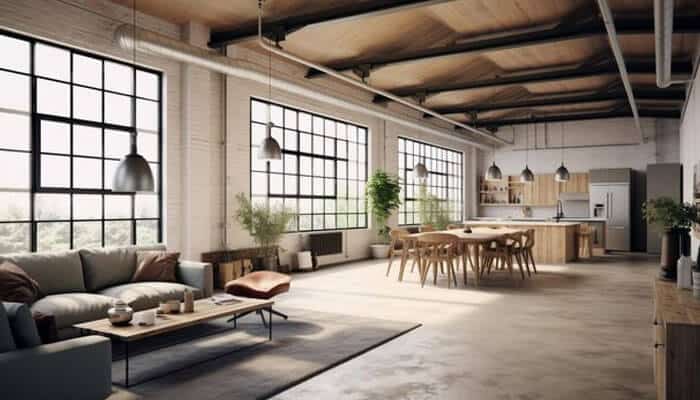
Utility economics associated with commercial daylighting have become quite favorable as utility rates increase and energy codes climb and evolve over time for more stringent implementation.
Quality daylighting systems provide decreases up to 40-70% for lighting energy consumption while simultaneously reducing additional cooling loads by obstructing unwanted solar heat gain.
Based on an average energy cost of $2-4 per square foot for annual downed lighting energy use across the square footage used for artificial lighting during working hours, it’s easy to break down significant expense opportunities when lighting loads decrease by 50%. This value extends its reach over the 20-30 year lifetime for quality systems.
In addition, HVAC costs save resources through the installation of modern day lighting systems by limiting cooling load expenses where infrared rays are counteracted by selective glazing options but allowing visible light through.
Barriers to Implementation
Successful implementations often boast such rewards, but most practitioners find limited benefit due to barriers related to successful implementation. Quality commercial daylighting requires the effort of architects, engineers and building operators throughout various stages of construction for ultimate effectiveness.
If glare, heat gain and uneven distribution undermine the intentions of such systems, then occupants lose out on a potentially performance-enhancing facet for anyone operating within a commercial space.
Successful implementation occurs through early planning and integration with HVAC, electrical and building automation systems for a synergistic approach. Ultimately, responsiveness reigns supreme to achieve linear and constant comfort levels without variables denying access every hour.
Quality building codes and energy standards now achieve requirements through incentives, with jurisdictions encouraging daylighting calculations while offering credits aligned with buildings exceeding minimums naturally lit throughout functioning hours.
Investment Measurement and Returns
The most successful commercial daylighting projects include measurement and monitoring systems that track both energy performance and occupant outcomes. Building operators use this data to optimize systems for maximum benefit while documenting returns on investment for stakeholders.
Simple metrics can demonstrate the value of daylighting investments effectively. Employee attendance records, satisfaction surveys, and retail sales per square foot provide clear indicators of performance improvements. These basic measurements often show immediate and ongoing benefits that justify the initial investment.
More sophisticated monitoring systems provide deeper insights into building performance. Light level sensors track natural illumination throughout the day, occupancy sensors measure how people actually use daylit spaces, and integrated building management systems can correlate daylighting performance with specific business outcomes and operational costs.
