
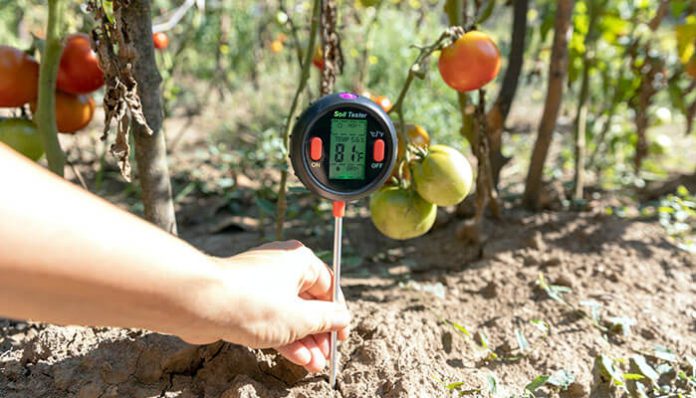

Are you planning a new build? Have you scheduled the required soil tests? If not, this should be your next step. Ideally, soil tests should be done before any new construction project starts. The goal here is to assess how suitable your property is for holding a foundation while avoiding common soil test mistakes that could compromise results.
While doing the soil test Melbourne laws require may seem easy enough, there are a few common solid test mistakes that some homeowners make in the process. This can lead to considerable problems down the line and could result in high rehabilitation costs.
Understanding What Soil Tests Are
In the Australian landscape, a typical soil test is a specialised assessment that’s done to assess and analyse the load-bearing characteristics of the ground you’re planning to build on. The end goal here is to assess whether the ground can hold the type of foundation and structure you’re planning to build.
The results of these tests also enable the engineering team to choose the best techniques to create the most sturdy foundation. For instance, weak soil may see your team opting for foundation piling, which involves placing concrete columns into the foundation for added support. Areas prone to landslides and excessive flooding will need to be supported as well to enhance the overall stability of the foundation.
Avoid These Basic Soil Test Mistakes
If you’re new to building or you have never requested a soil analysis, then you may not know what soil test mistakes to avoid. Fortunately, our team of experts has compiled a list to help you prevent these common soil test mistakes.
Mistake #1: Taking Only One Soil Sample
The most common mistake a potential homeowner or developer can make is to assume that one single test, taken from one location, will represent the soil characteristics of the entire area. It’s essential to keep in mind that soil and ground conditions can vary significantly across the smallest spaces.
Insist on a comprehensive soil test that’s performed across various locations throughout the site. Since not all areas are the same, testing should be done inside the space where the intended build is scheduled, as well as the surrounding areas.
Mistake #2: Not Factoring in Seasonal Impacts
Some soil properties vary throughout the year. This means that weather conditions during the different seasons can change and display varying properties. A typical example of this is finding soil that’s dry and seemingly stable in the warmer summer months, but runny and unstable as the rainy season starts. Speak to your geotechnical team about taking tests at various times of the year to assess the true nature of the soil properties.
Mistake #3: Not Testing for Specific Conditions

Not all soil tests are the same, and there’s no single test that can identify all the issues present in the soil sample. A typical example of this is that some soils, especially those with high clay content, require a more intense, specialised test.
You will then have to do these tests individually to determine the exact conditions present in your soil. Always opt for a geotechnical team that gives you a detailed plan of all the tests recommended for your area.
Mistake #4: Not Using an Expert
If you’ve ever done a simple soil test to assess the quality of the soil in your garden, you might think that building a soil test is as straightforward. This can lead some homeowners to opt for the cheapest soil testing service or, even more alarmingly, try to conduct the tests themselves.
It’s essential to highlight that you should always opt for a professional geotechnical engineering firm to conduct the tests on your behalf. In some instances, the necessary building permits may be withheld if these tests have not been done by the necessary skilled expert. Your engineering team will be required to submit a professional report of the test and subsequent results. This is a mandatory requirement across Australia.
Mistake #5: Rushing into the Tests
You may be eager to get your building process started. However, our experts advise against rushing into the testing process, especially when the construction design hasn’t been completed. This is because an incomplete plan may not make it clear how extensive the build will be, which results in incomplete testing areas.
Speak to your geotechnical team about the required timeline. They will advise you of what’s required before testing can begin. This will allow you to finalise all the necessary plans and design criteria. Doing this will go a long way toward ensuring that your tests are as accurate as possible.
Final Thoughts
The number one way to ensure that you avoid making these common soil test mistakes is to partner up with a reputable geotechnical engineering firm. Doing this will ensure that the right types of tests are done based on the location, type of build, and local requirements for soil analysis in the area.
Comprehensive testing often includes multiple sampling points and an extensive site assessment. All of this will go a long way toward providing you with the most accurate results, which will, in turn, ensure the right building techniques are used in your build.