

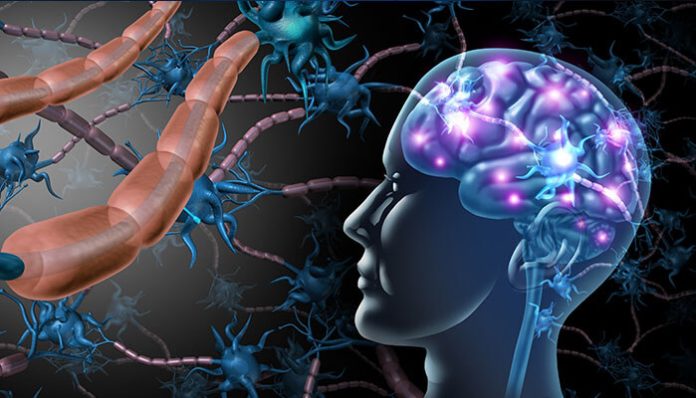

Digital learning works only when it matches how the brain actually learns. Attention, memory, and motivation are shaped by biological limits, not by technology. The right webinar platform can respect these limits, giving people a chance to focus, understand, and remember long after the session ends. This is where neuroscience in digital learning plays a key role, ensuring that technology aligns with how the brain truly processes information.
Why Attention Breaks Down Online
Focus is fragile. Neuroscience research shows that attention begins to fade within minutes if information arrives in a single stream. This explains why so many long lectures lose listeners. A well-designed webinar platform allows hosts to track these moments and adjust their approach.
Interactive features such as polls, short discussions, or quick exercises work like resets for the brain. They activate different circuits, pulling attention back to the present task. Alternating between listening and doing helps the brain hold focus for longer.
Sessions planned with these shifts in mind don’t just feel more dynamic. They fit how the human brain naturally handles concentration, turning technology into a partner rather than a barrier.
When Working Memory Reaches Its Limit
Working memory is the brain’s notepad. It can only hold a few items at once, and overload quickly leads to confusion. Digital sessions often push beyond this limit by delivering dense slides or long explanations. A webinar platform can ease the strain if it offers tools for pacing and review.
Breaking material into smaller units helps learners keep track. Visual anchors such as diagrams, flow charts, or keywords engage different pathways, making recall easier. Recording features also give participants freedom to revisit material at their own pace.
When learning design respects working memory, the message lands. Instead of overwhelming participants, content becomes easier to process and retain.
How Emotion Makes Knowledge Stick
The brain does not treat every piece of information equally. Material tied to emotion is remembered more strongly than neutral facts. A good learning session creates moments of curiosity, surprise, or relevance. A webinar platform that allows for storytelling, live discussion, and real examples makes this possible in a digital setting.
Consider the difference between a dry list of facts and a short case study told with energy. The latter not only transfers knowledge but also activates emotional circuits that secure memory. Tools that allow polls, quizzes, or audience stories invite emotional involvement.
This combination of information and feeling is what transforms a forgettable session into one that stays with the learner long after it ends.
Repetition And Recall As The Engine Of Memory
Memory consolidation depends on revisiting material and actively recalling it. Simply hearing information once rarely secures it. The most effective digital learning environments are those that allow structured review. A webinar platform can turn this principle into a routine.
Three simple practices illustrate this:
- Making recordings available for review soon after the session
- Adding short quizzes or prompts that require recall rather than recognition
- Scheduling follow-up sessions that reactivate key knowledge after a gap of days or weeks
Each of these practices taps into how neural pathways strengthen. Learning becomes not an isolated event but a series of spaced activations. Platforms that make these tools available help participants move from temporary awareness to long-term retention.
Learning Together Makes It Last
Humans learn best with others. Watching, discussing, and collaborating activate neural systems that solitary study cannot match. In classrooms, this happens naturally. Online, it requires deliberate design. A webinar platform with features such as breakout rooms, group chat, and peer review recreates this social dimension.
When learners discuss concepts together, they process them from different angles. Sharing knowledge with peers sharpens comprehension, while observing their actions engages brain systems that encourage imitation and growth of new skills. These processes are not abstract theories but observable neural responses.
Digital learning often risks becoming isolating, but when platforms support collaboration, they turn isolation into community. This sense of shared effort makes learning more engaging and more durable.
Why Neuroscience Matters for Digital Learning
Successful learning is not about the newest tool or the biggest audience. It depends on whether the design respects how the brain processes information. Attention must be renewed, memory must be supported, emotion must be engaged, knowledge must be reinforced, and social bonds must be included. A webinar platform can translate these principles into daily practice.
Organizations that apply neuroscience in their digital training move beyond surface metrics. They create experiences that people remember, return to, and use in real situations. This is what turns an online session from temporary exposure into lasting learning with measurable value.
