
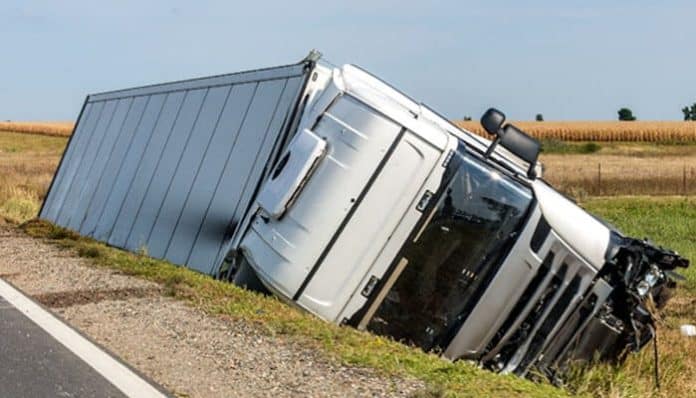

Oklahoma is known for its extensive highway network, busy trucking routes, and a high volume of commercial transport passing through the state each day. With its mix of rural roads, major interstates, and rapidly changing weather conditions, accidents involving large trucks can be especially dangerous. These factors make understanding your legal options crucial when a serious collision occurs — especially when dealing with a settlement in a truck accident claim, where the stakes and consequences can be significantly higher.
If you’ve been hurt in a crash involving a big rig, the pressure to settle may come fast — and that’s often by design. For victims in Oklahoma, working with experienced truck accident lawyers in Oklahoma can mean the difference between a fair recovery and a lowball payout. Here’s why insurance companies push for quick settlements in truck-accident claims, and why patience (and proper legal representation) matters.
Insurance Companies Want to Limit Their Financial Exposure
When a large commercial truck is involved, the potential damages tend to be far higher than in a standard car wreck — thanks to serious injuries, long hospital stays, extended rehabilitation, lost wages, and possibly long-term disability. The bigger the possible payout, the greater the risk for insurers. By offering a settlement quickly — before victims fully understand their injuries or long-term needs — insurers aim to cap their liability early and pay as little as possible.
Additionally, once a settlement is accepted, the insurer is off the hook permanently, even if the victim’s condition worsens or future medical costs arise.
Serious Injuries Often Evolve — But Insurers Don’t Want to Wait
Truck accidents can cause severe trauma: spinal injuries, traumatic brain damage, internal injuries — and some effects might not show up immediately. Because of this, full medical treatment, rehabilitation, and recovery can stretch for months or even years.
If you settle before reaching “maximum medical improvement,” you risk giving up compensation for future care and suffering. Insurers know this and often push early offers hoping victims won’t realize the long-term costs until it’s too late.
Multiple Parties, Complex Liability — Insurers Want to Avoid Deep Investigation
Truck accidents are rarely simple. Liability may involve the driver, the trucking company, a maintenance contractor, a cargo handler, even parts manufacturers — each with their own insurance and legal teams.
Investigating all those layers demands time, resources, and scrutiny, which could reveal deep-pocket responsibility and force the insurer to pay more. By encouraging a quick settlement, insurance companies try to avoid that complexity, preferring to close the case before full liability and damages are established.
Claimants Are Emotionally and Financially Vulnerable — Insurers Exploit That

After a serious crash, victims often face mounting medical bills, lost income, and emotional distress. They may feel pressure to accept any payout to pay bills, repair damage, or just move on.
Insurers know this vulnerability and can make their immediate offer seem generous — even when it fails to cover future expenses, long-term care, or full losses (like pain and suffering, loss of earning capacity, or permanent disability).
Because of that urgency, many victims accept “quick cash” without fully considering the long-term implications, essentially letting insurers dictate the value of their claim.
Once You Sign — You Often Forfeit Your Right to More Compensation
One harsh reality: accepting a settlement typically means signing a release that says you cannot pursue the insurer or trucking company later — even if new complications arise.
For truck-accident victims, that means future surgeries, ongoing therapy, lost earning capacity, or worsening health becomes their burden — not the insurer’s.
Why Legal Representation Matters
Given these challenges, the involvement of a specialized law firm can change the outcome dramatically. A qualified attorney can:
• Ensure evidence — like black box data, driver logs, maintenance records, and safety compliance documents — is collected and preserved early.
• Handle all communications and negotiations with insurers, preventing misstatements or unwise admissions.
• Demand fair compensation that accounts for all current and future damages, including medical costs, lost wages, long-term disability, pain and suffering, and loss of life quality.
• Resist pressure to settle too soon, waiting until your injuries and recovery prospects are fully understood.
This is why many legal experts (and tough insurers) respect experienced advocates — because a strong, well-documented case backed by skilled representation makes it harder for insurers to lowball or dismiss claims.
Conclusion — Be Wary When They Ask for Speed
When insurers rush you toward a “quick settlement” after a truck crash, it’s rarely about generosity — it’s about minimizing their payout. The combination of serious injuries, complex liability, long-term care needs, and victim vulnerability creates a scenario where quick deals almost always favor the insurer.
If you’ve been injured in a commercial truck accident, taking time matters — and so does legal guidance. Don’t let financial pressure or emotional stress rush you into sealing your future. A full investigation, proper documentation, and thoughtful legal strategy can make all the difference between a short-term fix and long-term justice.
Key Takeaways
• Insurance companies push for quick settlements in truck accident claims to limit their financial exposure before the full extent of injuries is known.
• Truck accident injuries often evolve over time, making early settlements risky because they may not cover future medical needs or long-term effects.
• Liability in truck crashes is complex, and insurers prefer fast settlements to avoid deeper investigations that could increase their responsibility.
• Victims are often financially and emotionally vulnerable after a crash, and insurers exploit this by offering low, fast payouts.
Working with experienced legal counsel helps protect victims from premature settlements and ensures all damages — present and future — are fully accounted for.