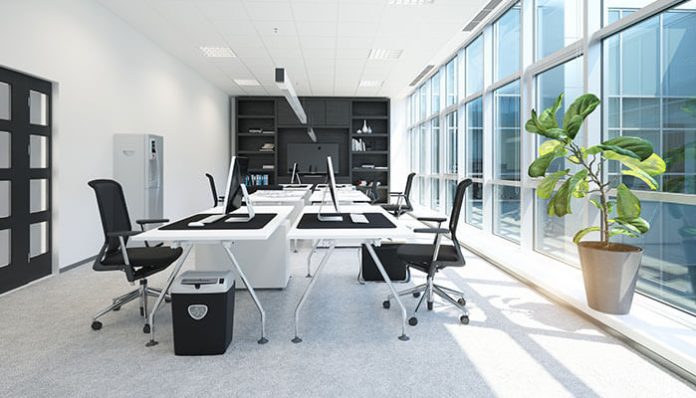

In today’s fast-paced work and study environments, many people underestimate the power of a simple change in physical space. One of the most effective — yet often overlooked — ways to boost productivity, comfort, and even creativity is by moving your desks and chairs. Whether you’re working from home, in an office, or at school, the arrangement of your furniture plays a significant role in how you feel and function throughout the day, making it essential for creating a healthier, productive workspace.
Why Rearranging Matters
Staying in the same setup day after day can lead to physical discomfort, mental fatigue, and even stagnation in motivation. Poor furniture placement can cause awkward posture, leading to back, neck, and shoulder pain. A poorly lit or cramped workspace can also affect your mood and focus. Simply moving your desk closer to natural light, changing the direction you face, or creating more space between furniture can improve both mental clarity and physical well-being.
Rearranging desks and chairs also promotes a sense of renewal. Just as we clean and declutter our spaces for a fresh start, changing the layout can spark new ideas and perspectives. In educational settings, moving desks around can foster more collaboration, engagement, and flexible learning. In offices, it can encourage communication and improve team dynamics.
Steps to Move Your Desks and Chairs Mindfully for a Healthier, More Productive Workspace
1. Evaluate Your Current Setup
Before making changes, observe how you currently use your workspace. Do you feel cramped? Is there enough light? Do you get distracted easily? Do you strain your neck or back? Answering these questions helps identify what needs improvement.
2. Measure and Plan
Use a measuring tape to understand the dimensions of your room and furniture. Sketch out a few layout ideas. Keep functionality in mind — you want to ensure there’s enough space to move comfortably and that your chair fits under the desk with ease.
3. Maximize Natural Light and Minimize Distractions
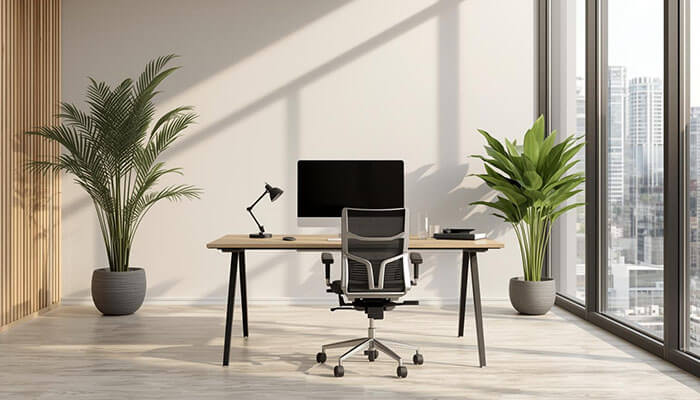
Position your desk near a window if possible, to take advantage of natural light. This can improve mood and reduce eye strain. Avoid facing high-traffic areas that can be distracting, especially if you’re working on tasks that require deep concentration.
4. Prioritize Ergonomics
Make sure your chair supports your lower back and your desk allows your arms to rest at a 90-degree angle. If you move your desk to a new height or surface, adjust your chair to match. Consider adding a footrest or monitor stand if needed.
5. Add Personal Touches
Once your desk and chair are moved, personalize your space with plants, art, or meaningful objects. A comfortable and inspiring environment can increase your sense of ownership and motivation.
A Fresh Start, Every Time
Moving your desks and chairs might seem like a small act, but its impact can be surprisingly powerful. It’s an opportunity to reset your habits, reimagine your workflow, and reclaim your comfort. Try it — shift a few things around, experiment with the layout, and see how your space transforms. Sometimes, moving forward really does start with moving your chair.