


A single overlooked email. An unanswered call. A delivery that arrives a day late. On their own, these seem like minor inconveniences. But for customers, they often become the spark that ignites frustration. Left unresolved, these small missteps don’t just lead to a one-off complaint—they can cascade into a full-scale reputation crisis for a business. Small customer service errors can snowball into a full business crisis. Learn how neglect, miscommunication, and poor service can damage your brand’s reputation.
Expectations are higher than ever. A customer who feels ignored or disrespected rarely keeps quiet. Their story often spreads quickly, amplified online, turning what began as a small oversight into a narrative that defines your brand.
How Customer Service Errors Shape Reputation
Customer service is the front line of any brand’s reputation. It’s not just about resolving problems—it’s about how people feel after they interact with your business. Studies consistently show that customers are willing to pay more for better service, and many will remain loyal if they feel valued.
Think about it: a single positive exchange can win trust for years, while a single negative one can undo months of hard work. Customers don’t only compare your service to competitors—they compare it to their best-ever experience anywhere. That’s the standard.
Investing in thoughtful service practices, staff training, and consistency across every touchpoint isn’t optional anymore. It’s the foundation of long-term trust and brand stability.
How Small Errors Start the Spiral
Common Mistakes Staff Make
The mistakes that trigger reputation damage aren’t always dramatic. They’re often small things:
- An employee who seems dismissive.
- A delay in responding to a message.
- A lack of knowledge that leaves a customer without answers.
Individually, these moments may seem trivial. But to a frustrated customer, they signal neglect. And when those signals repeat, they form a pattern—“this company doesn’t care.”
Regular training, role-play exercises, and response standards can go a long way in closing these gaps before they erode trust.
Miscommunication That Frustrates Customers
Another frequent trigger is poor communication. Unclear instructions, vague updates, or missed details create confusion. Customers don’t just want answers—they want clarity. When they don’t get it, frustration grows.
Simple habits like confirming understanding, using straightforward language, and following up after interactions can prevent most of these problems. When communication is clear and respectful, trust naturally follows.
The Ripple Effect of “Minor” Mistakes
What makes these small errors dangerous isn’t the error itself—it’s the ripple effect.
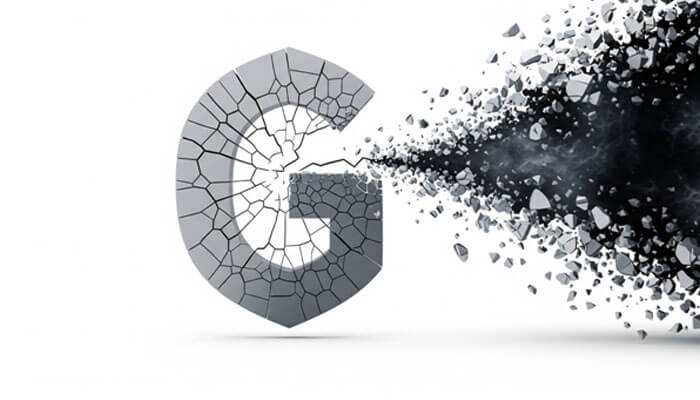
How Customer Service Errors Break Trust
Trust is fragile. Once cracked, it takes far more effort to rebuild than it did to maintain. A single bad interaction can push a customer toward competitors, and research shows that those who lose trust rarely come back. Worse, they often share their story, multiplying the impact.
Transparency and accountability help restore confidence. When businesses admit mistakes, explain what went wrong, and fix the issue, customers are more forgiving. Silence or deflection, on the other hand, deepens the damage.
Amplification Through Word of Mouth and Social Media
In the past, a negative experience might have been shared with a few friends. Today, it can reach hundreds—or thousands—within hours. Customers post online when they feel mistreated, and these posts often gain traction quickly.
This amplification effect means small errors no longer stay small. They become public stories that shape perception of the brand far beyond the original interaction. Encouraging happy customers to share their positive stories can balance the scales, but prevention remains the strongest defense.
Lessons From Reputation Crises
History shows how small errors can snowball into full-blown crises. Industries from airlines to restaurants have all seen how service missteps damage market value and long-term credibility.
The lesson is always the same: reputation isn’t built on one big campaign or policy. It’s built moment by moment, in how customers are treated daily. When those moments go wrong repeatedly, the fallout is swift and costly.
Companies that recover best are those that act quickly, acknowledge mistakes, retrain staff, and rebuild trust through transparency. Firms like NetReputation often step in at this stage, helping businesses not only repair the damage but also put systems in place to prevent similar issues from recurring.
How Businesses Can Prevent Customer Service Errors from Spiraling
Train and Support Your Team
Training should be ongoing, not a one-time orientation. Practical workshops, role-playing scenarios, and consistent coaching help employees build the empathy and problem-solving skills needed to defuse tense situations before they escalate.
When employees feel prepared and supported, they deliver service that strengthens trust instead of weakening it.
Listen and Act on Feedback
Customers often give warning signs before issues spiral. Regular surveys, reviews, and direct outreach provide insights into what’s working and what isn’t. The key is not just collecting feedback but acting on it.
Responding to concerns—especially the negative ones—shows that the business values its customers. Even simple acknowledgments go a long way in building goodwill.
Final Word: Preventing Customer Service Errors to Protect Your Reputation
Reputation crises rarely start with a single catastrophic event. More often, they grow out of small, avoidable mistakes—an unanswered call, a dismissive tone, or a vague update that leaves a customer in the dark.
When businesses treat every interaction as a reputation-building moment, they minimize these risks. By prioritizing clear communication, consistency, and genuine care, they can transform potential crises into opportunities to strengthen trust.
Because in the end, a reputation isn’t destroyed overnight—it’s chipped away piece by piece. The same is true for rebuilding it.