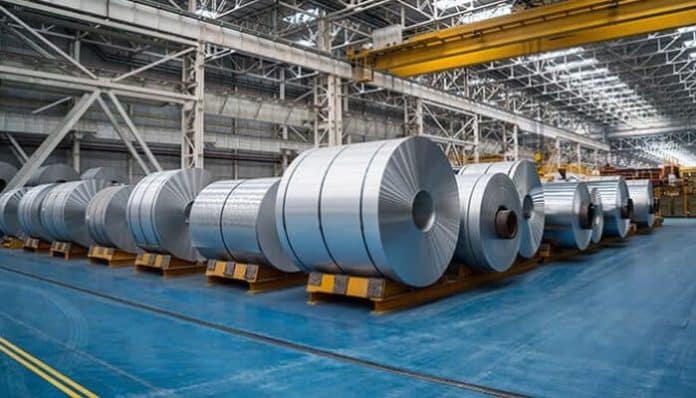

Aluminum sheet metal fabrication is a crucial process in manufacturing and assembling products used in various industries, including the rapidly growing renewable energy sector. As renewable energy projects continue to expand globally, the demand for lightweight, durable, and corrosion-resistant materials like aluminum is on the rise. Aluminum’s unique properties, combined with the precision of sheet metal fabrication, make it an ideal choice for a wide range of applications in renewable energy systems. This article explores how aluminum sheet metal fabrication plays a vital role in renewable energy projects, highlighting its applications, benefits, and the growing significance of this process in the transition to sustainable energy sources.
The Growing Role of Renewable Energy
The renewable energy industry has experienced significant growth in recent years, driven by the need to reduce dependence on fossil fuels, minimize environmental impact, and combat climate change. Wind, solar, and hydropower energy systems are at the forefront of this transformation. These energy sources offer cleaner, more sustainable alternatives to traditional fossil fuels. As the global demand for renewable energy continues to surge, the materials and manufacturing processes used to create these systems must evolve to meet the increasing requirements for efficiency, durability, and cost-effectiveness.
In particular, aluminum has emerged as a material of choice in renewable energy systems due to its light weight, strength, and resistance to corrosion. Whether it’s used in the construction of wind turbine towers, solar panel frames, or components for hydroelectric power plants, aluminum’s unique properties make it indispensable in many renewable energy applications. Sheet metal fabrication, a process that involves cutting, bending, and assembling aluminum sheets, is a key technique in manufacturing these critical components.
Why Aluminum for Renewable Energy Projects?
Aluminum’s exceptional properties make it an excellent choice for use in renewable energy projects. The metal is not only lightweight but also incredibly strong and resistant to the elements. This combination of characteristics is particularly valuable in renewable energy applications, where components are often exposed to harsh outdoor environments.
Durability and Corrosion Resistance
One of the most significant benefits of aluminum in renewable energy applications is its resistance to corrosion. Renewable energy systems, particularly wind turbines and solar panel structures, are often subjected to extreme weather conditions, including rain, snow, and high winds. Aluminum is highly resistant to corrosion, even when exposed to saltwater, which makes it ideal for use in coastal areas where corrosion is a significant concern.
For instance, in the construction of wind turbine towers, aluminum’s resistance to corrosion ensures that these large structures remain intact and functional for decades, even when exposed to the elements. Similarly, aluminum sheet metal is used extensively in the framing of solar panels, protecting the delicate photovoltaic cells inside from environmental damage.
Lightweight and Strong
Aluminum is also lightweight, which is particularly important in renewable energy projects that require large-scale installations. For example, wind turbine blades made from aluminum are easier to transport and install, reducing both logistical costs and the environmental footprint of the manufacturing process. Similarly, the lightweight nature of aluminum allows for more efficient construction of solar panel frames and other renewable energy components.
Despite its lightweight, aluminum is incredibly strong and capable of withstanding the stresses placed on renewable energy systems. The combination of strength and low weight reduces the need for additional support structures, making renewable energy installations more efficient and cost-effective.
Sustainability and Recyclability
Aluminum is one of the most sustainable materials available. It is fully recyclable, meaning that aluminum components used in renewable energy systems can be reused and repurposed at the end of their lifespan. This is particularly important in the context of renewable energy, as the industry strives to minimize its environmental impact across the entire lifecycle of its products.
Recycling aluminum requires only a fraction of the energy needed to produce new aluminum, making it an environmentally responsible choice for renewable energy applications. By choosing aluminum for renewable energy projects, manufacturers and engineers can significantly reduce their carbon footprint and contribute to a more sustainable energy future.
Key Applications of Aluminum Sheet Metal Fabrication in Renewable Energy
Aluminum sheet metal fabrication plays a central role in the manufacturing of key components for renewable energy systems. From wind turbines to solar power installations, aluminum is used in a variety of applications that are critical to the performance and longevity of renewable energy infrastructure.
Wind Turbine Towers and Blades
Wind turbines are one of the most prominent sources of renewable energy worldwide. Aluminum is used in the fabrication of wind turbine towers and blades due to its light weight, strength, and resistance to corrosion. Sheet metal fabrication allows for the creation of precise, high-quality aluminum components that can withstand the extreme forces placed on wind turbine structures.
Wind turbine towers must be strong enough to support the turbine while also being lightweight enough to allow for efficient transportation and installation. Aluminum’s low density and high strength-to-weight ratio make it ideal for this purpose. Similarly, the blades of wind turbines are often made from composite materials that include aluminum for added strength and flexibility.
Solar Panel Frames and Racking Systems
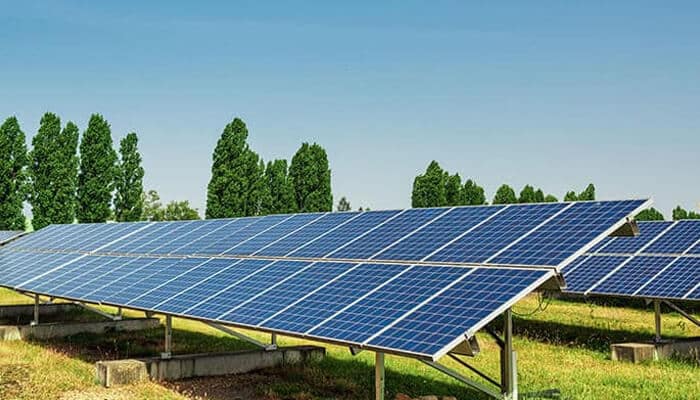
Solar energy is another major pillar of the renewable energy industry. Solar panels require sturdy frames to hold the delicate photovoltaic cells in place. Aluminum sheet metal fabrication is widely used to create these frames, as the material provides the necessary strength and durability while keeping the overall weight of the panels to a minimum.
Aluminum’s resistance to corrosion is particularly important in solar panel installations, as the frames are exposed to the elements for extended periods. Whether installed on rooftops or in large-scale solar farms, aluminum frames help ensure the longevity of the solar panels and protect them from environmental damage.
In addition to frames, aluminum is also used in the construction of racking systems that support solar panels. These systems must be able to withstand high winds and other weather conditions, which is why aluminum’s strength and corrosion resistance make it an ideal material for the job.
Hydroelectric Power Components
Hydropower, the use of flowing water to generate electricity, is one of the oldest and most reliable sources of renewable energy. Aluminum sheet metal fabrication plays a role in the construction of various components for hydroelectric power plants, including turbine housings, dam components, and intake structures. Aluminum’s ability to resist corrosion in water, particularly in saltwater environments, makes it an ideal choice for use in these applications.
Battery Storage Systems
As renewable energy production continues to grow, efficient energy storage solutions become increasingly important. Aluminum sheet metal fabrication is also used in the production of battery enclosures for energy storage systems. These batteries store excess energy generated by solar and wind systems, allowing for a steady supply of power when production is low or demand is high.
Aluminum is a popular choice for battery enclosures because it is lightweight, strong, and resistant to corrosion. The use of aluminum sheet metal ensures that the enclosures are durable and capable of withstanding the environmental conditions often associated with large-scale renewable energy installations.
The Future of Aluminum Sheet Metal Fabrication in Renewable Energy
The role of aluminum sheet metal fabrication in renewable energy projects is expected to continue growing as the demand for sustainable energy solutions increases. With advances in fabrication technologies and an increasing focus on environmental sustainability, aluminum is poised to remain a key material in the development of renewable energy infrastructure.
As the industry evolves, there will likely be even more innovative applications for aluminum in renewable energy projects. For instance, the development of lightweight aluminum alloys and new fabrication techniques may lead to the creation of even more efficient and cost-effective components for wind, solar, and hydropower systems.
Conclusion
Aluminum sheet metal fabrication is an essential process for the renewable energy sector, providing durable, lightweight, and corrosion-resistant components that contribute to the efficiency and longevity of renewable energy systems. From wind turbines to solar panels and hydropower plants, aluminum plays a crucial role in the construction of infrastructure that supports sustainable energy production.
As the world transitions to a more sustainable energy future, aluminum’s unique properties will continue to make it an ideal material for renewable energy projects. By leveraging the benefits of aluminum sheet metal fabrication, the renewable energy industry can continue to innovate and expand, helping to reduce our reliance on fossil fuels and create a cleaner, more sustainable world.