

Artists use social media to share their work, build a recognizable brand, connect directly with audiences, attract collectors or clients, promote releases or exhibitions, and turn attention into income. In simple terms, how do artists use social media? They use it to grow visibility, strengthen audience relationships, and build a clear creative identity. Social platforms now reward original, audience-focused content, steady interaction, and clear creative identity more than generic posting alone.
For modern artists, social media is no longer just a place to upload finished work. It acts as a public portfolio, a discovery channel, a storytelling space, a community hub, and often the beginning of a sales funnel. Music artists use it to move listeners toward streaming, merch, tickets, and direct-support platforms. Visual artists use it to showcase finished work, process, and personality. Creative entrepreneurs use it to drive people toward commissions, prints, courses, memberships, and shop listings.
If you are asking how do artists use social media?, the answer is simple: artists use social media to get discovered, build trust, share their creative process, stay connected to fans, and turn attention into opportunities such as commissions, sales, streams, bookings, and long-term audience growth. The most successful artists do not post the same thing everywhere. They adapt their content to the platform, the audience, and the goal.
Why Social Media Matters for Artists in 2026
Social media matters because it reduces the distance between artist and audience. Instead of depending only on galleries, labels, agencies, or marketplaces, artists can now speak directly to the people who care about their work. That direct connection helps build recognition, trust, repeat attention, and long-term community.
This shift also answers an important question: How Do Artists Use Social Media? They use it to share their work, tell their story, grow visibility, and create stronger relationships with fans and followers over time.
Social media also supports discovery in several ways. Short-form video helps artists reach new audiences quickly. Search-based features make it easier for people to find tutorials, process clips, and niche creative content. Visual platforms help artists stay visible over time through regular posting, saved content, and evergreen discovery. For many artists, social media now functions as both a creative outlet and a practical business tool.
For music artists especially, strong social content can drive off-platform growth. A short teaser can lead to streams, a behind-the-scenes clip can lead to merch sales, and a well-timed release post can push fans toward tickets, direct purchases, or subscriber communities.
How Do Artists Use Social Media? The Main Goals
Artists usually use social media for six core goals:
1. Visibility
Artists want more people to discover their work through feeds, shares, recommendations, saves, and search.
2. Branding
They use social media to create a recognizable style, voice, and identity that people remember.
3. Community Building
They use comments, stories, live sessions, and community features to build stronger relationships with followers.
4. Proof of Work
Social media acts like a living portfolio where artists can show finished pieces, works in progress, performances, exhibitions, and testimonials.
5. Promotion
Artists announce launches, drops, shows, releases, collaborations, events, and new offers.
6. Monetization
They use social media to support sales of originals, prints, commissions, tickets, downloads, memberships, subscriptions, and merch.
The Most Common Ways Artists Use Social Media
1. Showing Finished Work
Many artists still use social media as a visual showcase. This works best when the work is presented clearly, consistently, and with context. A strong finished-work post does more than display the result. It explains the story, medium, inspiration, or purpose behind the piece.
When artists pair visuals with meaning, the content becomes more memorable. Instead of posting only “new work,” they show people why the piece matters and what makes it unique.
2. Sharing the Creative Process
Process content is one of the most effective formats for artists. Sketches, time-lapses, rehearsals, editing sessions, studio clips, rough drafts, and material choices make the work feel more human and engaging.
This also makes posting easier. Artists do not have to wait until everything is polished and finished. Process content gives them more ways to stay consistent while helping the audience feel involved in the journey.
3. Building a Personal Brand
Artists rarely grow by posting artwork alone with no identity around it. Audiences also connect with the perspective, tone, values, and personality behind the work.
A strong artist brand may include a consistent visual style, a memorable bio, recurring themes, a recognizable caption style, and a clear message about what kind of work the artist creates. This helps both followers and potential clients understand the account quickly.
4. Growing Through Original Content
Originality matters. Artists who post in their own voice are more likely to build trust and long-term recognition than those who rely too heavily on recycled trends or copied formats.
That is a big part of the answer to How Do Artists Use Social Media? They use it to express their identity, share original work, and create a stronger connection that goes beyond visibility alone.
Trends can still be useful, but they usually work best when adapted to fit the artist’s real style. Original work, original commentary, original teaching, and original process clips often create stronger long-term value.
5. Connecting With Fans, Collectors, and Clients
Social media is not only about reach. It is also about trust, familiarity, and conversion. Many collectors, clients, and fans watch quietly for weeks or months before they ever send a message or make a purchase.
Regular posting, thoughtful replies, and steady updates help reassure people that the artist is active, consistent, and professional.
6. Promoting Without Sounding Too Salesy
Promotion works better when it feels like part of the story. A painter can show the idea, process, and details before announcing availability. A musician can tease lyrics, share rehearsal clips, and then link to the release.
This approach builds curiosity before the call to action. Instead of sounding pushy, the artist creates interest first and sells naturally.
Best Platforms for Different Types of Artists
How Do Artists Use Social Media? One of the most important ways is by choosing platforms that fit their medium, audience, and style of communication. Different platforms support different creative goals, from portfolio building and discovery to education, community, and sales.
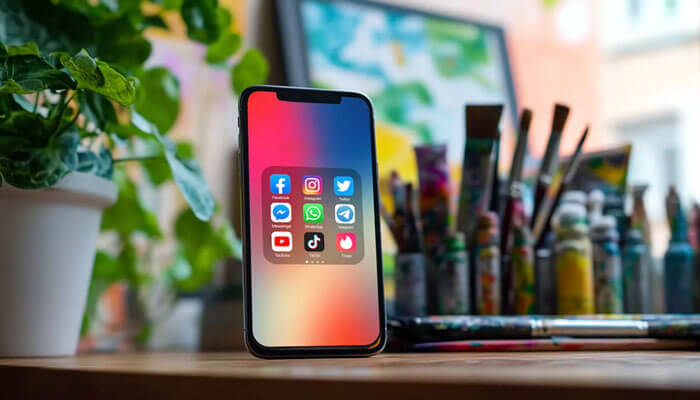
Instagram works well for visual storytelling, portfolio-style feeds, Reels, Stories, Highlights, and direct audience interaction. It is especially useful for painters, illustrators, photographers, designers, ceramic artists, and mixed-media creators.
Artists often use Instagram for:
- process Reels
- carousel posts with details or progression
- story updates for day-to-day presence
- DMs for inquiries and commissions
- Highlights for pricing, FAQs, collections, and exhibitions
- Broadcast Channels for follower updates
- subscriptions for exclusive content
TikTok
TikTok is strong for discovery, personality, fast storytelling, and search-friendly creative content. It works especially well for musicians, digital artists, illustrators, tattoo artists, and creators who are comfortable narrating or demonstrating their work.
Artists often use TikTok for:
- short process videos
- studio humor and relatable moments
- “watch me make this” content
- launch teasers
- live creation sessions
- search-friendly videos based on topics people already look for
YouTube
YouTube supports both short-form reach and long-form trust. Shorts help attract new viewers, while longer videos help artists teach, document projects, perform, and tell deeper stories.
Artists often use YouTube for:
- tutorials
- studio vlogs
- song breakdowns
- exhibition diaries
- long-form educational content
- Shorts that lead to full videos or product pages
- Community Posts with polls, updates, images, and video
Pinterest is valuable for long-tail discovery, visual search, and evergreen traffic. It is especially useful for artists who sell prints, home décor art, DIY products, or design-led work.
Artists often use Pinterest for:
- finished-work images
- mood boards
- product pins
- blog promotion
- print and shop traffic
- seasonal collections
Facebook still helps with local exhibitions, workshops, event pages, community groups, and audience building for artists with broader or local followings.
Bandcamp, Etsy, and Portfolio Platforms
Not all artist strategy should happen on mainstream social platforms. Bandcamp, Etsy, and portfolio sites are often where conversion happens. Social media works best when it directs people toward these deeper destinations, especially when the artist also has an email list or owned audience channel.
What Kind of Content Works Best for Artists?
The strongest content usually falls into a few repeatable categories:
Portfolio Content
Finished work, completed commissions, launches, reveals, and performance clips.
Process Content
Sketches, drafts, rehearsals, time-lapses, tool use, editing, and studio routines.
Story Content
Inspiration, meaning, lessons, struggles, creative decisions, and personal context.
Educational Content
Tutorials, tips, supply advice, workflow breakdowns, and myth-busting posts.
Community Content
Polls, Q&As, replies, audience prompts, behind-the-scenes check-ins, and community updates.
Offer Content
Print drops, commissions, workshops, tickets, digital downloads, memberships, subscriptions, and merch.
How Artists Turn Social Followers Into Email Subscribers, Buyers, and Fans
One of the smartest moves an artist can make is moving followers from rented platforms into owned channels. Social media reach can change at any time, but an email list, shop list, collector list, or subscriber base gives the artist a more direct relationship with people who already care.
A visual artist might offer early access to print drops. A musician might offer release alerts, bonus tracks, or merch previews. A teaching artist might offer a free guide, workshop waitlist, or lesson updates. This is how artists turn casual attention into repeat traffic, stronger loyalty, and real revenue.
How Artists Use Search, Keywords, and Discoverability Inside Social Platforms
Social platforms now behave more like search engines than many artists realize. That means artists should think not only about what looks good in the feed, but also about what people are actively searching for.
Instead of using vague captions, artists can describe their content clearly. A post titled watercolor portrait process, indie folk songwriting demo, or ceramic glazing tutorial is easier for both viewers and platforms to understand. Clear wording improves discoverability without making the content feel forced.
A Simple Platform-by-Platform Strategy for Artists
| Platform | Best Use | Strong Content Types | Main Goal |
|---|---|---|---|
| Visual brand building | Reels, Stories, carousels, Highlights, Broadcast Channels | Reach + trust | |
| TikTok | Discovery and search-friendly growth | Process clips, voiceovers, topic-led videos, LIVE | Awareness + audience growth |
| YouTube | Authority and depth | Shorts, tutorials, vlogs, performances, Community Posts | Education + long-term audience |
| Evergreen discovery | Vertical images, product pins, blog visuals | Search-style traffic | |
| Community and local promotion | Groups, event posts, updates | Local/community reach | |
| Bandcamp / Etsy | Conversion | Shop links, release links, product listings | Sales and support |
| Email list | Owned audience | Launch alerts, previews, collector drops | Retention + conversion |
How Artists Build Branding Through Social Media
Branding is what makes an artist recognizable before someone even reads the username. It includes visual style, themes, tone, pacing, presentation, and the impression left by repeated exposure. A strong artist brand is not fake. It is a clear expression of the artist’s real creative identity.
This also connects to a broader question: How do artists use social media? They use it not only to share work, but also to shape a recognizable presence that audiences can remember and trust over time.
In practice, a strong artist profile usually includes:
- a recognizable profile image
- a bio that explains the kind of work or value offered
- a strong link destination
- a clear contact option
- pinned content that shows the best work or the next step
Artists build branding over time through repetition. Similar visual treatment, consistent subject matter, recurring themes, and a recognizable voice make the account easier to remember and easier to trust.
How Artists Use Social Media to Promote Their Work
Promotion works best when it follows a sequence instead of appearing only as a final sales post:
- tease the idea
- show the process
- share the story
- reveal the final work
- announce availability
- follow up with proof, reactions, or reminders
This works because attention usually develops in stages. People notice first, then become curious, then interested, and finally ready to act.
For example, a beginner illustrator selling commissions might post sketch clips, then a carousel showing styles and prices, then a booking post. An established musician might tease lyrics, share studio clips, and then send fans to a pre-order page and email list.
Community Tools Beyond Comments
Comments and DMs still matter, but newer community tools also help artists stay visible between major uploads. Broadcast Channels, Community Posts, polls, behind-the-scenes check-ins, and quick prompts can keep the audience engaged even when there is no new finished work to share.
A sculptor can ask followers to vote on finishes. A musician can post a lyric poll. A photographer can share location previews before a shoot. These simple touches strengthen retention and conversation.
Monetization Paths by Artist Type
Understanding how do artists use social media? is essential when building a monetization strategy, because income streams often depend on both the artist’s medium and their stage of growth.
Visual Artists
Visual artists often earn through originals, prints, commissions, licensing, workshops, memberships, and shop listings.
Music Artists
Music artists often earn through direct sales, streaming support, merch, ticket sales, subscriber communities, and exclusive releases.
Digital Creators and Educator Artists
These artists may earn through courses, tutorials, digital downloads, subscriptions, affiliate partnerships, branded work, and paid communities.
Beginner, Emerging, and Established Artists
A beginner artist may focus on consistency, profile clarity, and first followers. An emerging artist may focus on commissions, email capture, and repeat engagement. An established artist may focus more on launches, partnerships, collector retention, and owned audience growth. The right strategy depends on stage, not only on medium.
How Often Should Artists Post?
There is no perfect posting number that guarantees growth. Most artists do better with consistency and sustainability than with random bursts of content.
A practical starting point is:
- 2 to 4 short-form posts per week
- several story-style or community updates between posts
- one deeper piece of content weekly or biweekly
- active replies to comments and messages
Just as important, the system has to be realistic. Batching content, reusing strong formats, and repurposing one idea across platforms helps prevent burnout. Artists usually do better with a repeatable workflow than with an intense posting streak followed by silence.
The Role of Analytics
Artists who grow steadily usually pay attention to what people actually respond to. The most useful metrics are often:
- saves
- shares
- watch time
- retention
- profile visits
- website clicks
- inquiries
- repeat viewers
- conversion to sales, streams, or sign-ups
Likes still matter, but they are often weaker than actions that show deeper interest or clear buying intent.
How Artists Should Measure Success by Goal
A smarter way to measure performance is to match the metric to the goal.
| Goal | Best Metrics to Watch |
|---|---|
| Reach | impressions, views, shares, discovery sources |
| Trust | watch time, average view duration, saves, return viewers |
| Community | comments, replies, poll participation, DMs, community engagement |
| Leads | profile visits, website clicks, inquiry visits |
| Sales | product clicks, email sign-ups, purchases, conversion rate |
This makes it easier to understand whether a post is building awareness, trust, engagement, leads, or actual revenue.
Cross-Promotion and Repurposing Content Across Platforms
Artists do not need a brand-new idea for every platform. One strong idea can become a Reel, a TikTok, a YouTube Short, a Pinterest visual, an email teaser, and a still-image carousel.
For example, one songwriting session can become a teaser, a full breakdown, a community update, an email preview, and a release post. One painting process can become a Reel, a Pinterest image, a studio email, a portfolio update, and a launch announcement. This is one of the easiest ways to stay consistent without burning out.
Trust, Originality, Attribution, and Repost Protection
Originality matters because artists depend on authorship and identity. Audiences want to know who created the work, why it matters, and where to find the real source.
Artists should make authorship easy to recognize by keeping a consistent handle, linking to an official site or shop, using clear captions, and maintaining a profile that points back to owned channels. These small steps protect brand identity and reduce confusion when the work is shared beyond the original post.
Common Mistakes Artists Make on Social Media
Posting Only Finished Work
This can make the account feel static. Process, story, and community formats create more reasons to follow.
Copying Trends Without Creative Fit
Trends can help with reach, but only when they match the artist’s real style and audience.
Using Every Platform the Same Way
Each platform behaves differently. A TikTok search-friendly clip is not the same as a Pinterest visual or a YouTube tutorial.
Ignoring the Profile
An unclear bio, weak link destination, missing contact option, or no pinned content can waste good traffic.
Promoting Too Early or Too Often
Constant selling without context weakens engagement. Story-led promotion is usually more effective.
Not Giving Followers a Next Step
A good post should often lead somewhere: a portfolio, shop, email list, release page, event page, or inquiry form.
Building an Unsustainable Routine
A system that depends on nonstop effort usually collapses. Sustainability is part of the strategy.
A Practical 30-Day Social Media Plan for Artists
Week 1: Define Your Positioning
Clarify what kind of artist you are, who your audience is, and what action you want from followers. Update your bio, profile image, pinned content, contact path, and link destination so the account makes sense quickly.
Week 2: Build Content Pillars
Choose 3 to 5 repeatable categories such as finished work, process, education, story, and offers. This makes content planning easier and more consistent.
Week 3: Publish Consistently
Post several short-form pieces, add community-style updates between them, and test one deeper format. Use clear hooks, descriptive language, and a visible next step.
Week 4: Review and Refine
Look at saves, shares, watch time, clicks, replies, and inquiries. Repeat the strongest formats, improve weak ones, and batch next month’s content based on what the audience actually responded to.
Final Thoughts
So, how do artists use social media? They use it to turn creative work into visibility, visibility into trust, and trust into opportunity. The strongest artist accounts do not rely only on polished self-promotion. They combine original content, process storytelling, community building, platform-aware publishing, and clear branding to create growth that lasts.
In practical terms, artists use social media to show their work, explain their creative journey, connect with fans, attract buyers or clients, and direct people toward meaningful next steps such as a shop, stream, exhibition, or mailing list. When used well, social media becomes one of the most accessible and powerful promotion tools an artist can have.
Artists do not need to be everywhere at once. They need to be consistent, original, and strategic on the platforms that best match their work, audience, and goals. That is what turns social media from a posting habit into a real growth system.
Frequently Asked Questions(FAQs)
1. How do artists use social media to build an audience?
Artists build an audience by sharing original work, showing their process, posting consistently, and using each platform in the right way. Features like search, short videos, and analytics help them understand what attracts attention and keeps followers engaged.
2. Which social media platform is best for artists?
The best platform depends on the artist’s medium and goals. Instagram is strong for visual branding, TikTok for discovery, YouTube for deeper connection, and Pinterest for long-term visual search traffic.
3. Can artists make money from social media?
Yes, artists can use social media to support sales of prints, commissions, merch, tickets, downloads, memberships, and subscriptions. Social platforms help attract attention, while shops, release pages, and email lists help turn that attention into income.
4. Why is original content important for artists on social media?
Original content helps artists stand out, build trust, and create a clear identity. It also performs better over time because audiences and platforms value useful, authentic, and creator-led content.
5. What should artists measure on social media?
Artists should track metrics that match their goal, not just likes. Views, shares, watch time, saves, clicks, inquiries, and conversions usually give a better picture of real performance.