
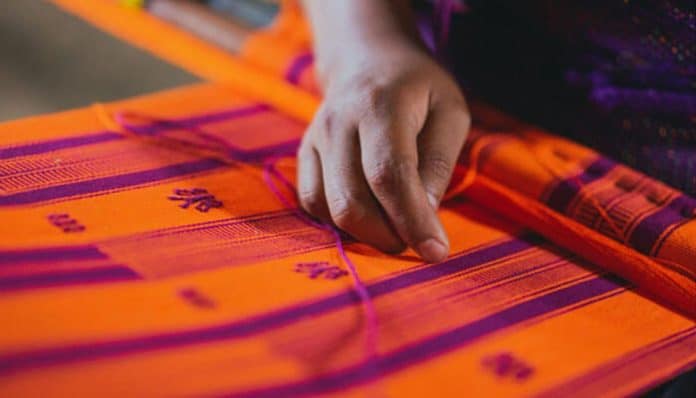

A Quiet Revolution Led by Ethical Clothing Manufacturers
Fashion is speaking a new language, and ethical clothing manufacturers are at the heart of this transformation. The conversation is changing. It is no longer just about the latest color or silhouette. A deeper question is being asked. Who made my clothes? This simple inquiry is reshaping the entire industry. Consumers are thinking critically about their purchases. They seek meaning and integrity in their wardrobe. A powerful shift is underway. Ethics are becoming as important as aesthetics. This movement is redefining the soul of style.
The Foundation of a New System
Change starts at the very beginning. It begins with production. Ethical clothing manufacturers are leading this transformation. They prioritize people and the planet. Their factories become places of dignity and safety. Fair wages are a non-negotiable standard. Workers receive proper training and support. This approach creates a positive ripple effect. It strengthens local communities. It fosters a culture of respect. Quality and care are woven directly into the fabric of each garment.
How Ethical Clothing Manufacturers Choose Better Materials
The choice of fabric tells an important story. Ethical producers explore remarkable alternatives. They source organic cotton grown without toxic pesticides. They use recycled polyester made from plastic bottles. They innovate with Tencel lyocell from sustainably managed forests. These materials drastically reduce environmental harm. They conserve precious water resources. They help clean up our oceans and landfills. The very substance of our clothes is becoming a force for good.
Transparency as the New Normal
Secrecy is falling out of fashion. Modern brands are opening their doors. They are revealing their entire supply chain. This radical honesty builds powerful trust. Customers can trace a garment’s journey online. They see the factory where it was sewn. They learn about the people behind the craftsmanship. This level of visibility was unheard of a decade ago. It creates a genuine connection between the wearer and the maker. Opaque practices are becoming a relic of the past.
The Power of the Conscious Consumer
Demand is driving this evolution. Shoppers are voting with their wallets. They are choosing brands that align with their values. Social media amplifies their voice. They praise companies doing good work. They also call out those who fall short. This informed consumerism creates immense pressure for change. Large corporations are now responding. They are launching sustainable collections. They are auditing their suppliers more rigorously. The message is clear. Ethics are no longer a niche concern. They are a mainstream expectation.
Quality Over Quantity Forever
Ethical fashion champions a slower approach. It opposes the frenzy of fast fashion. Garments are designed for longevity, not just a single season. Timeless styles replace fleeting trends. Superior construction ensures clothes last for years. This philosophy encourages a more mindful wardrobe. People buy fewer, but better, pieces. They develop a deeper appreciation for what they own. This shift reduces the colossal waste generated by the industry. It cultivates a culture of care and conservation.
Technology Empowering Ethical Clothing Manufacturers
Innovation supports this ethical ascent. Blockchain technology creates unchangeable product records. Digital passports verify a garment’s origin. 3D design software minimizes physical sample waste. Artificial intelligence optimizes fabric cutting patterns. These tools provide tangible proof of ethical claims. They make complex supply chains manageable and transparent. Technology is not cold and impersonal here. It becomes a bridge to greater humanity and accountability in production.
Beyond a Trend: The Ripple Effect
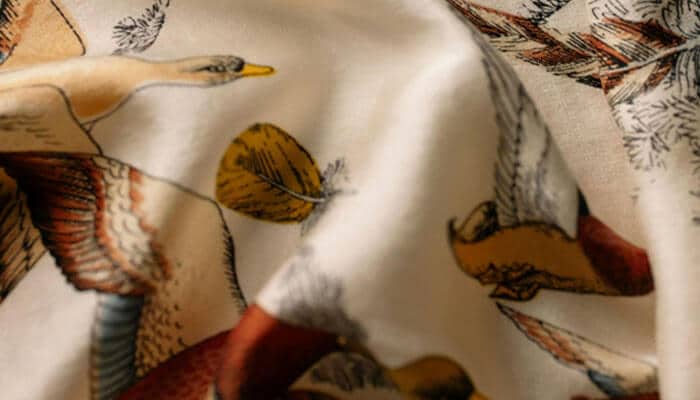
The influence of ethical manufacturing now extends far beyond the factory gate. It is reshaping retail and consumer habits. We see the rise of repair services and tailoring shops. Clothing rental platforms are gaining tremendous popularity. The secondhand market is exploding in value. These are not separate movements. They are direct consequences of a new mindset. When you value how something is made, you naturally want it to last longer. You support systems that extend its life. This creates a beautiful, self-reinforcing cycle. Better production inspires mindful consumption. Mindful consumption, in turn, demands better production.
Weaving a New Legacy
The true impact of this movement is profound. It touches environmental health and human dignity. It influences global economies and local communities. Ethical manufacturers are proving a different model is possible. Business can be a vehicle for positive change. The clothes we wear can reflect our highest hopes for the world. This is not a passing trend. It is the foundation of fashion’s future.
We are moving towards an industry that honors its workers. We are building a system that respects our planetary boundaries. Every ethical purchase is a stitch in this new tapestry. It is a conscious choice for a more beautiful and just world. Our wardrobes are becoming collections of stories we are proud to tell. A future that looks brighter truly does feel better for everyone involved.