



For decades, U.S. Treasuries were viewed as the safest way to preserve wealth and earn consistent returns. Today, a growing number of investors are rethinking that assumption. Inflation, shifting interest rate policies, and increased market access to cryptocurrency are reshaping how capital is allocated, leading some to consider crypto over Treasuries as an alternative investment.
As the BTC price fluctuates in response to global liquidity cycles and macroeconomic events, many compare its performance and risk profile to U.S. government bonds. The result is an emerging trend in which investors are weighing whether the potential rewards of digital assets justify the risks compared to traditional Treasuries.
What Is the Traditional Role of Treasuries?
U.S. Treasuries have long been the cornerstone of conservative investment strategies. Backed by the full faith and credit of the U.S. government, they are widely regarded as virtually risk-free. Investors purchase Treasury bonds, notes, and bills for stability, predictable income, and liquidity. Institutions, pension funds, and individual investors use Treasuries as benchmarks for pricing risk and as safe havens during periods of market volatility.
In recent years, the appeal of Treasuries has weakened. Persistent inflation has reduced the real return on these securities, and fluctuating interest rates have created uncertainty about future yields. Rising federal debt and geopolitical tensions have also influenced investor sentiment, leading some to question whether Treasuries can continue to provide both stability and value in a rapidly evolving financial environment.
The Rise of Digital Assets as Alternatives
Cryptocurrencies have moved from niche technological experiments to mainstream investment assets. Bitcoin and other digital currencies are now accessible through major exchanges, institutional-grade custodians, and retirement platforms. For many investors, cryptocurrencies represent both innovation and opportunity and are a way to diversify portfolios and seek growth outside traditional markets.
The appeal of digital assets lies in their independence from centralized control and potential for high returns. While volatile, they have shown resilience across market cycles and are being increasingly adopted by financial institutions.
Investors frustrated by limited yields in bonds and savings accounts are turning to cryptocurrencies as speculative but promising alternatives. The crypto market’s accessibility (open 24 hours a day, seven days a week) also attracts investors looking for flexibility and global exposure that conventional securities cannot offer.
Comparing Risk and Reward
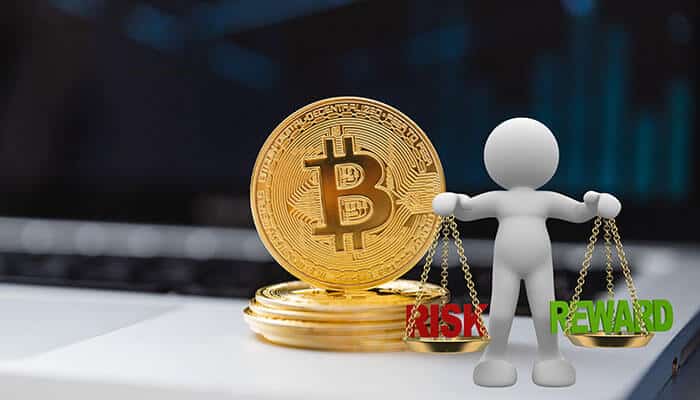
The trade-off between Treasuries and cryptocurrencies centers on risk and reward. Treasuries are known for stability but offer limited upside. Conversely, cryptocurrencies are characterized by volatility yet provide the possibility of substantial gains.
Investors seeking predictable income often remain in Treasuries, valuing their security and guaranteed returns. However, those willing to tolerate higher short-term risk may prefer crypto’s long-term potential. As inflation persists and interest rates fluctuate, some view digital assets as a hedge against the declining purchasing power of fiat currencies.
The global and decentralized nature of crypto markets also introduces a new level of diversification. Digital assets are not directly influenced by national monetary policies, making them appealing to those concerned about the effects of fiscal expansion and currency devaluation. Ultimately, the choice reflects each investor’s tolerance for uncertainty and desire for growth.
Macroeconomic Factors Driving the Shift
The move from Treasuries to crypto is driven by larger economic trends. Inflation has remained a key concern, eroding the real value of fixed-income returns. Meanwhile, rising government debt has created long-term questions about fiscal sustainability. Investors seeking protection against these forces are exploring alternative assets that can preserve value across different economic cycles.
Cryptocurrencies are often viewed as digital stores of value that operate outside traditional banking systems. While they remain speculative, their scarcity and decentralized structure appeal to those who worry about inflation and monetary expansion.
As central banks adjust interest rates to manage economic growth and inflation, yield volatility in Treasuries has made them less predictable. This environment has encouraged diversification into crypto markets, where returns, while uncertain, are driven more by global demand and technological adoption than by government policy.
Institutional Influence and Market Maturity
Institutional adoption has transformed the perception of cryptocurrency investments. Major financial firms, hedge funds, and asset managers are now allocating portions of their portfolios to digital assets. The introduction of regulated exchange-traded products and custodial services has made crypto investing more accessible and secure.
This institutional involvement has provided legitimacy and increased market liquidity. The development of clearer regulatory frameworks and compliance standards has further reduced barriers to entry. As a result, crypto assets have shifted from being viewed purely as speculative to being considered viable components of diversified investment strategies. In contrast, declining real yields in Treasuries have left institutional investors searching for assets that combine potential returns with manageable risk.
A Shift in the Definition of Safety
The growing interest in cryptocurrencies over Treasuries reflects a shift in how investors define safety and value. While Treasuries have long symbolized security, they no longer offer the same protection against inflation or purchasing power loss. Today, cryptocurrencies attract those who value autonomy, flexibility, and the potential for growth.
