
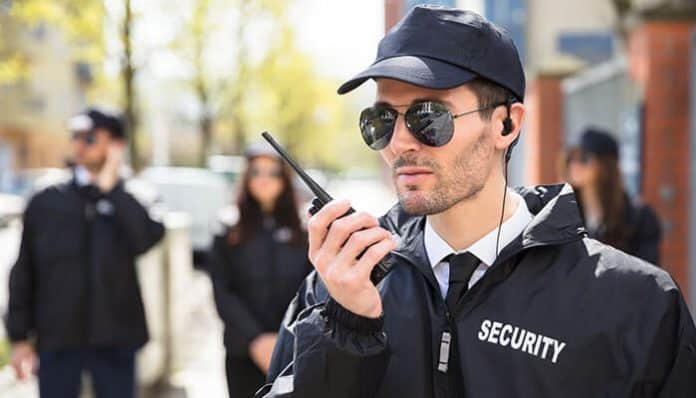

Patrolling in security is one of the most essential safety management practices. People who are trained to enter those areas, look around, and monitor incidents. The goal here is to act as a deterrent to things that should not happen, keep things safe, and maintain order. It allows not only public institutions but also private properties to benefit from this practice. Regular patrolling also provides a sense of security and solace to the community.
What Does Patrolling Involve?
What is patrolling in security? A patrol visits specific areas according to a schedule or randomly. Patrol officers patrol and search for suspicious activity, hazards, or violations. Their responsibilities include checking doors, windows, and entry points to ensure they remain secure. They also keep an eye on equipment, activate alarms, and confirm that safety equipment is in operational order. The report of each patrol describes in detail where the rounds have been conducted, what was found, and so on.
Types of Patrolling Methods
With various means of traversing territory, security patrols employ several options. Foot patrols include officers strolling through facilities, which provides visibility and a rapid response. Cars or bikes are employed for patrolling larger areas when a police presence is required, but continuity of patrol is not useful or necessary. Others use stationary posts where personnel are stationed and take messages during a change. Each method has its own environment depending on size and risk.
Frequency and Timing of Patrols
Patrol occasions and frequency rely on chance evaluation and site performance. It is hard for potential offenders to anticipate cop movement with random patrols. However, scheduled patrols are constantly checking at certain times. Both options offer unique benefits. The combination of random patrols and occasional scheduled patrols yields excellent security results, which helps prevent incidents at events with potential issues.
Visibility and Deterrence
Visible patrols inhibit rule-breaking and punishment-free entrance. The mere sight of a uniformed security officer or a marked patrol vehicle can deter misconduct before it even begins. Since the ramifications are immediate, it sometimes creates a compelling reason to adhere to the guidelines. This strategy results in fewer thefts, vandalism, and other issues.
Rapid Response to Incidents
Patrolling ensures a prompt response to situations as they arise. It enables officers on patrol to respond quickly to any alarms, disturbances, or calls for emergency services. Prevent or lessen the harm, damage, or loss. Similarly, quick measures can also offer staff, visitors, or residents peace of mind that their safety is a priority. Patrollers are frequently first responders who, until assistance arrives, will be the only thing standing between a stricken prey and its violent demise.
Building Trust and Confidence
Conducting security checks on a regular basis helps build trust between security teams and their clients. The presence of patrolling officers provides people with the courage to overcome fear in crime-ridden areas. They are more likely to cooperate with security staff due to their pro-social sense of care and protection. Community engagement helps facilitate communication, enabling a prompt response to negative community concerns or reports of suspicious activity.
Gathering Information and Reporting
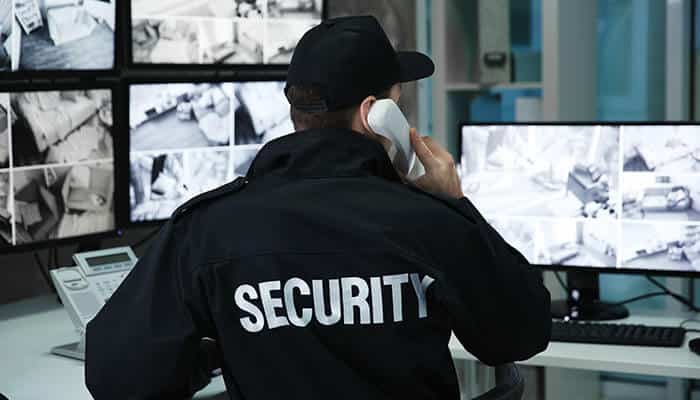
The patrols gather insights on everyday happenings and risks. Police observe the areas, which could include signs of a broken lock or a strange car parked nearby. Even some detailed reports may make it easier for management to act on X-ray vulnerabilities. These records also serve as a point of reference to improve your processes later on for an audit or investigation. A solid report translates observation into an action plan.
Adapting to Different Settings
Patrol is very useful in various areas, such as offices, warehouses, residential communities, and others. There is no single solution for all locations, and no location is the same. A retail center, for example, will likely want foot patrols more frequently, while an industrial site may prefer patrols in a vehicle. Security teams tailor their approach to the demands of each scenario.
Training and Professionalism
Patrolling needs training and professionalism to make it work. Officers are taught how to communicate, observe, and execute emergency procedures. Continuous learning keeps all of them ready for alternative roles. Conducting security patrols with professionalism maintains respect and credibility, which in turn reinforces the mission of security patrols.
Supporting Broader Security Strategies
Patrolling is just one element of a comprehensive safety plan. It operates in conjunction with access control, action cameras, and emergency response measures. When organizations put this work into place, they build a safety net. All components work together, combining for greater protection for both people and property.
Conclusion
Patrolling has always been an essential element in contemporary security, from preventing incidents and responding to emergencies to fostering community trust. Seeing armed police personnel gives citizens confidence and will deter unwanted elements. Planning, training, and flexibility are all key components of a successful patrol. Doing this consistently reinforces safety and enhances feelings of safety for everyone involved.