
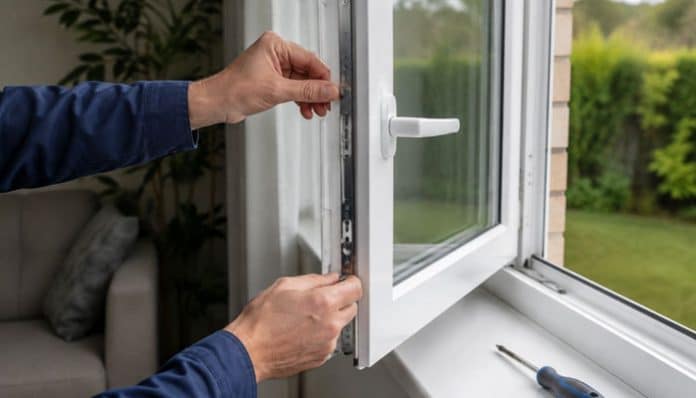

UPVC window not closing properly is usually searched for when the sash appears almost shut but the handle refuses to complete its movement. The problem can feel urgent, but the safest and most economical answer is rarely to order the first similar-looking part. Doors and windows are built from interacting pieces of hardware, and one worn or misaligned component can make another part look faulty. This guide is written for people troubleshooting draughts, poor closing or a handle that will not turn down who want a practical way to identify the issue, record the right details and choose a replacement with less guesswork.
If a uPVC window will not close cleanly, the specialists at Locks & Hardware suggest checking friction stays, keeps, espag travel and handle operation in sequence.
Understand the job before choosing the part
A uPVC window closes correctly only when the sash is square, the friction stays hold it in the right path, the espag mechanism travels freely and the locking points meet their keeps. That is why a single symptom can have more than one cause. A stiff handle may be caused by the handle itself, but it may also be caused by a lock case under pressure, a dropped sash, a worn keep or a part that is no longer aligned with the frame. The first useful step is to understand what the component is expected to do when it is working normally.
For uPVC window hardware, the aim is reliable movement, correct engagement and a secure final position. If the part has to be forced, pulled or held in a particular position, that force is being transferred somewhere else in the system. Over time it can damage screws, springs, spindles, latches, hooks, rollers, bolts or cylinders. A small amount of testing before buying helps you avoid replacing a visible part while leaving the real fault untouched.
The key measurements and observations
Before removing parts, take clear photographs from several angles and write down the measurements while the old hardware is still in place. Use a steel rule or tape, measure from centre to centre where appropriate and keep the inside and outside of the door separate in your notes. If a part has brand marks, stamps or codes, photograph them before cleaning or handling the component.
For this topic, the most useful details to record are friction stay length, espag backset, handle spindle length and keep position. Also check sash-to-frame gap, hinge side clearance and gasket compression. These details are more reliable than a quick visual match because many UK hardware ranges share similar shapes while using different internal dimensions.
- Friction stay length
- Espag backset
- Handle spindle length
- Keep position
- Sash-to-frame gap
- Hinge side clearance
- Gasket compression
It is also worth keeping the old screws, spindle, cylinder retaining screw or fitting pack until the new part has been tested. Small fixings can reveal whether an old repair has already changed the door, and they may help you spot why the original part failed. If the old part has been forced, bent or filed, record that too because the damage may be evidence of an alignment issue rather than simple wear.
Symptoms that point to the likely fault
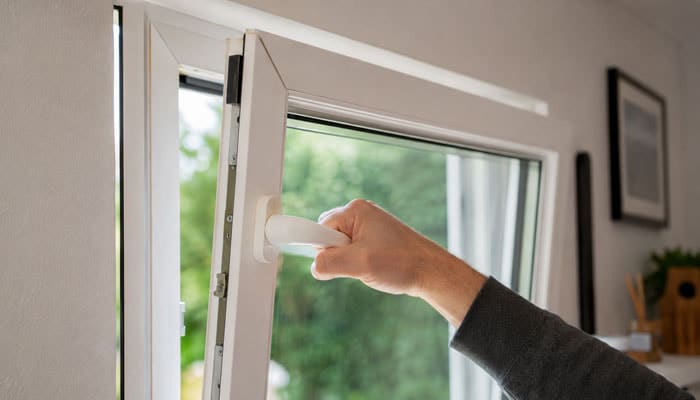
The most common warning signs include handle stops before vertical, top corner remains proud and window catches the frame. You may also see draught around one side and handle works when the window is open. The key is to test the part in the least loaded condition first. For doors, that often means testing with the door open before testing it closed. For windows, it can mean operating the handle while the sash is open and supported.
If the hardware works freely when open but struggles when closed, the part may not be the only fault. Alignment, hinge movement, gasket compression, keep position, worn rollers or frame distortion may be putting pressure on the mechanism. If the same problem appears when the door or window is open, the internal part is more likely to be worn, damaged or incorrectly assembled. This simple comparison can save a great deal of unnecessary part swapping.
- Handle stops before vertical
- Top corner remains proud
- Window catches the frame
- Draught around one side
- Handle works when the window is open
Buying errors to avoid
The important test is open-window operation. If the handle turns freely when open, the problem is more likely sash alignment or keep contact than the handle itself. It is especially important with replacement security hardware because the difference between a correct part and a near match may be only a few millimetres. Near matches can sometimes be forced into place, but they often leave the door harder to operate, reduce the service life of the replacement and create another repair later.
Avoid forcing the handle down, replacing the handle without testing the espag open and ignoring loose friction stays. Also watch out for adjusting keeps to compensate for a twisted sash. A replacement should restore smooth operation; it should not require extra force, packing, filing or repeated adjustment just to make the door close. If it does, step back and check the measurements and alignment again.
- Forcing the handle down
- Replacing the handle without testing the espag open
- Ignoring loose friction stays
- Adjusting keeps to compensate for a twisted sash
Installation, alignment and use
When choosing uPVC window hardware, start with function, then dimensions, then finish. Function means the way the door or window is used and the job the component performs. Dimensions confirm whether the new part will physically fit. Finish is important for appearance, but it should come after compatibility. This order prevents the common situation where a part looks right in chrome, white, brass or black but does not line up with the lock, spindle, cylinder, keep or frame.
If you are fitting the part yourself, work methodically. Support the door or sash where needed, keep screws organised, do not overtighten fixings and test the operation at each stage. Tighten lightly first, check movement, then tighten evenly. A handle or lock case that works until the final screw is tightened may be binding against the door skin or sitting slightly out of line. A few minutes of careful testing is better than repeated forcing.
Security hardware should be judged by the finished result. The door should close naturally, the latch should meet the keep, the key should turn without excessive pressure and moving parts should not scrape, grind or bounce back. On fire, escape or shared-building doors, the correct answer may also involve standards, certification, inspection records and a competent installer. For those settings, do not treat a general replacement guide as a substitute for compliance advice.
Summary: what a good result looks like
- Confirm the fault with the door or window open and closed where possible
- Photograph the old part, faceplate, keeps, fixings and any visible markings
- Measure from centres, not from the edges of holes or backplates
- Record inside and outside orientation before removing cylinders or handed parts
- Check whether alignment, hinges, rollers, gaskets or keeps are contributing to the issue
- Choose the replacement by function and measurement before choosing the finish
- Test the new part gently before final tightening and before relying on it for security
A reluctant window handle is a symptom, not a diagnosis. Work through the hardware in order and the correct fix becomes clearer.