


Introduction
Traditional marketing funnels were built for a simpler time — when campaigns moved prospects neatly from awareness to conversion in a straight line. But in today’s AI-driven landscape, customer journeys are anything but linear. Audiences jump across channels, expect personalized experiences in real time, and make decisions influenced by countless touchpoints. This shift is giving rise to a new kind of agency role: the AI lifecycle architects.
Rather than focusing solely on acquisition campaigns, agencies are now designing intelligent, data-powered systems that guide customers through every stage of the lifecycle — from first interaction to long-term loyalty and revenue expansion. AI isn’t replacing agency expertise; it’s amplifying it, transforming how work gets done, how value is priced, and how technology and talent are deployed. For agencies willing to adapt, this evolution presents a powerful opportunity to lead the next era of marketing. For those who don’t, it may signal the end of traditional funnel thinking altogether.
From Campaign Executors to Experience Designers
Agencies are no longer just running single campaigns and moving on to the next project. Instead, they are designing full customer experiences that last from the first click to long-term loyalty, much like a modern lifecycle marketing agency focused on every stage of the customer journey. With the help of AI, agencies can track how people move across websites, emails, ads, and social media, then adjust messages in real time.
For example, AI can suggest the right product to a returning visitor or send follow-up content based on past behavior. This replaces the old straight-line funnel with a smart, always-changing journey. Today’s agencies act as AI lifecycle architects, building systems that learn, improve, and guide customers at every stage — not just during one campaign.
Letting AI Handle the Busywork So Humans Can Drive Strategy
AI is taking over many of the slow and repetitive tasks that once filled agency workdays. For example, teams now use AI to quickly generate ideas for campaigns, create rough design samples for client pitches, and even draft answers for long RFP documents. AI can also sort large amounts of data to show what’s working across the funnel. This saves hours of manual effort. Instead of spending time on paperwork and early drafts, people can focus on big-picture planning, creative thinking, and building strong client relationships. Rather than replacing jobs, AI becomes a productivity engine that helps agencies design smarter, faster, and more effective customer journeys.
Rewriting Value: Why Outcomes Matter More Than Outputs Now
AI is changing how fast agencies can produce content, designs, and campaigns. What once took days can now take hours. Because of this, clients are starting to question paying for time spent or the number of deliverables. Instead, many agencies are shifting toward value-based pricing, where they charge for results like higher sales, better engagement, or stronger customer loyalty. Even though AI speeds up work, it still can’t replace human strategy, brand understanding, and decision-making. These skills now matter more than ever. Agencies are learning to focus on real business outcomes across the entire customer lifecycle, showing clients the true impact of their work beyond just finished tasks.
Building Smarter Funnels by Buying the Right Tech, Not Building It
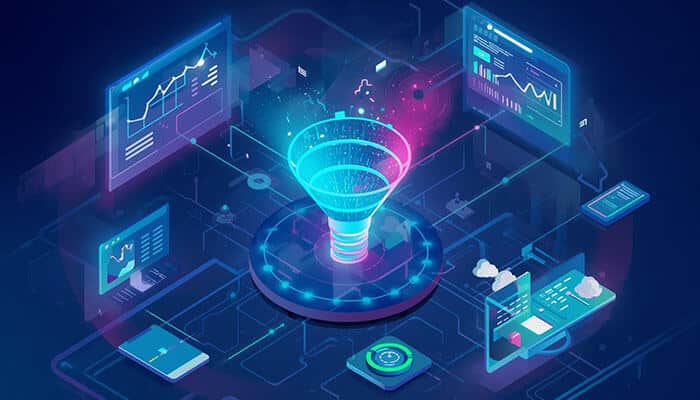
In the past, many agencies tried to build their own tools to manage campaigns and customer data. But with AI growing so fast, keeping custom systems updated has become expensive and difficult. Now, more agencies are choosing to partner with strong AI and marketing technology platforms instead. These ready-made tools are more reliable, easier to scale, and improve quickly with new features. By connecting different systems together, agencies can manage customer journeys across email, ads, websites, and more in one smart funnel. This allows them to test ideas faster and personalize experiences better. Instead of building technology, agencies now focus on designing and guiding the full customer lifecycle.
Turning Efficiency Into Growth Across the Customer Lifecycle
AI is helping agencies do more work in less time without needing larger teams. Content can be created faster, campaigns can be adjusted in real time, and data tools can clearly show which channels bring the best results. For example, AI-powered models can track how different ads, emails, and promotions work together across the funnel. This helps agencies spend budgets smarter and improve performance quickly. At the same time, personalized messages can be sent to thousands of customers at once. AI lifecycle architects use these efficiencies to grow revenue — not just by attracting new customers, but also by keeping them engaged and encouraging repeat purchases and upgrades.
Preparing Teams for the Era of AI-Orchestrated Marketing
As AI becomes part of everyday agency work, job roles are changing too. Instead of focusing on just one channel like social media or search ads, teams now need to understand the full customer lifecycle. Knowing how to use AI tools, read data, and guide automated systems is becoming just as important as creative skills. While some routine tasks are disappearing, most agencies are not cutting large numbers of jobs. Instead, they are shifting people into more strategic roles. Employees are being trained to manage AI, connect different platforms, and improve customer journeys. This upskilling helps agencies build smarter funnels and stay competitive in an AI-driven world.
Conclusion
The conclusion should reinforce that AI is not a threat to agencies but a catalyst for reinvention. Summarize how the funnel is transforming into an intelligent lifecycle system and how agencies that embrace AI as a strategic partner — rather than a shortcut — will lead the next era of marketing. Encourage agencies to adopt the mindset of lifecycle architects: integrating best-in-class technology, focusing on outcomes over outputs, and empowering teams to orchestrate meaningful customer experiences at scale. End with a forward-looking note on how those who rewrite the funnel today will define the agency models of tomorrow