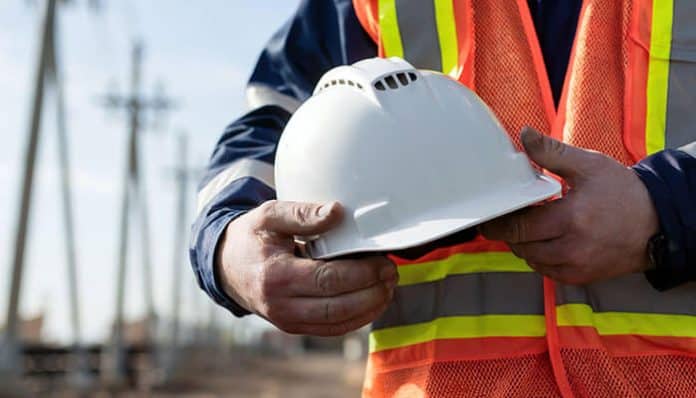

Most safety managers eventually come to a point where they realize their current PPE selections are no longer appropriate. Perhaps there’s been a near-miss, or perhaps a newly acquired project poses hazards that the anticipated PPE was never designed to accommodate. One question that too many people ask, and don’t get right, at first, often enough, is whether it’s time to upgrade from standard hard hats to Type 2 helmets.
It’s not a simple concept to grasp as it involves more than getting approval for new equipment. It involves assessing the budget, training workers on what’s required, and determining which teams actually need the protection upgrade as opposed to just keeping what they’ve always used.
Safety managers who make the wrong call are those who either purchase equipment that was unnecessary or fail to protect workers who would be unprotected with standard hard hats.
Understanding What You’re Upgrading
Standard hard hats are Type 1, meaning they’re tested for vertical impact protection – things falling down on top of people’s heads. Construction sites have been utilizing standard hard hats for decades and in most applications, it’s adequate. However, Type 2 helmets boast lateral impact protection as well. These types of head protection are tested and rated for side-impact blows.
However, not every project warrants such extensive protection. Standard commercial construction projects with overhead impacts but limited lateral conditions do not warrant a higher class of protection. However, demolition work, confined space entry projects, swing areas and worksites where people are generally operating close to each other with heavy equipment warrant this protection.
The difference in price is minimal on a per-unit basis but when outfitting entire crews, it becomes significant. A plain Type 1 construction hard hat is often $15-30 whereas a Type 2 helmet typically begins around $40-60 with extensive additions that include venting, visors, branding and more per specific company needs. For a crew of 50, this translates to a mere $1,250-$1,500 at a minimum; most construction companies stock more than active headcounts.
Identifying Which Teams Need the Upgrade
This is where a safety manager earns their paycheck. Assuming everyone can and should get the upgrade is an expensive but safe bet. Assessing project types and crews realistically determines need versus unnecessary protection.
Consider access control crew members who allow others into the job site; they probably don’t need Type 2 protection if they’re staying in designated pathways with appropriate barriers up. Consider residential roofing crews; they rarely need Type 2 helmets unless conditions cause standard applications to create hazards, general overhead exposure doesn’t yield side injury risk; a Type 1 is sufficient.
However, asbestos abatement crews, demolition teams, maintenance workers performing repairs on live machinery, those constantly entering confined spaces or those working in swing areas or proximity situations (where machinery is raised at heightened positions) all necessitate justified lateral impact vulnerability that wasn’t accounted for with a standard hard hat.
Report history also helps determine need. Were there any near misses or actual injuries sustained due to side impact? This suggests substantial vulnerability in an area where hard hats intended for vertical impact were never designed for this exposure.
It also allows safety managers to assess whether current projects are aligned with previously planned workloads. A general contractor who focuses strictly on commercial projects shouldn’t be shifting gears into industrial unless naturally justified pitfalls present themselves that deviate from pre-chosen PPE purposes.
Managing the Budget Conversation
Upper management loves numbers and when “It’s safer!” isn’t enough to support thousands of dollars’ worth of inventory replacement, the goal must appeal to ROIs relative to upper management’s understanding.
Compensation costs do just that. One serious head injury costs six digits – between medical treatment for what could be a lifetime disability (at least temporary conditions), lost time or assignment, temporary hiring and potential litigation if OSHA determines equipment standards played a role in severity. Therefore one prevented injury pays for a lot of helmets. Some insurance carriers even provide premium reductions documented through safety program enhancements which add additional offsets over time.
Additionally, consider liability. Suppose someone gets a preventable head injury in a situation where increased protection was available and needed but insufficient effort was made to provide it. In that case, that’s exposure beyond just the upfront cost of employee injury. Companies operating where a safety helmet is crucial, offer insight as to which levels of protection rightfully align with necessary operations.
Phasing implementation helps soften blow over time as well; start with teams/projects with the highest likelihood of need and adjust others when able. This also adds time for you to discern if it makes sense before committing enterprise-wide.
The Training Component Nobody Thinks About
New equipment means retraining, even though it seems intuitive it may not be so obvious. For example, Type 2 helmets often have different adjustment systems for chin strap inclusion/exclusion and inspection qualities compared to basic hard hats. Workers who’ve donned similar styles for years, and been taught generally about the need, need to understand what’s different now and why it matters even if it’s more protective and compliant.
The suspension systems tend to be more technologically advanced; this means additional components that require routine inspections, or at least, they should be considered more carefully, whereas chin straps are often required instead of optional on many Type 2 applications while workers who’ve never worked with straps before now need to learn appropriate fitment and adjustment. Some Type 2 designs also act differently as far as comfort is concerned which greatly impacts wearability throughout the day – the longer something feels comfortable and safe on one’s head, the better compliance will be.
Yet workers’ resistance shows up more than managers anticipate. People get familiarized with their equipment; some Type 2’s may feel bulky or heavy compared to what people have worn for years before; training preemptively emphasizes why it’s happening from an objective standpoint (generic information doesn’t resonate all the time). When crews understand the specific risks that prompted the change based on data, they’ll comply more readily from behavioral standpoint.
Handling the Transition Period
There’s going to be a middle ground where some workers have new equipment while others still use older stock, and that’s inevitable without proper policy guidance in place that definitively states who needs Type 2 protection under what circumstances (ideally tied to specific job classifications and project types instead of individual discretion). In addition, color coding helps as well, if Type 2 helmets are a new color from basic hard hats, then supervision can tell at a glance who isn’t being compliant.
Old equipment isn’t automatically useless; this means other low-risk applications can continue utilizing hard hats which not only promote useful life on existing stock but ensures those higher risk workers get appropriate protection while disallowing companies from dumping out already acquired stock that only adds additional cost to transfer. Some companies never get rid of either types of protection, and outfit teams based on project assignment.
Measuring Whether It Actually Worked
Finally, track if it did work after you’ve switched! This comes from near miss reports, injury numbers or feedback from foremen/superintendents who now see numbers increase. If there are still incidents relative to head injuries or prevention incidents at the same rate they’re either not wearing the equipment properly, or there’s compliance issue based on wearing it properly as recommended.
Worker qualitative assessments matter equally; if crews are continually complaining about these new helmets or if superintendents notice people taking them off when no one is watching, they’re not getting the intended sense of protection regardless of how great it’s rated on paper. Sometimes it means looking into why specific models didn’t resonate as well or figuring out fit issues where something protective/uncomfortable might have happened over the course of the day.
The point isn’t just compliance; it’s about reducing head injury risk in environments where subsequent precautions fall short relative to standard means in place to fill those gaps. If data shows it’s working per expectations, it justifies the investment and can support further time restrictions on safety program developments; if not, it’s time to figure out why before throwing more money at something that won’t solve the actual problems on site.