
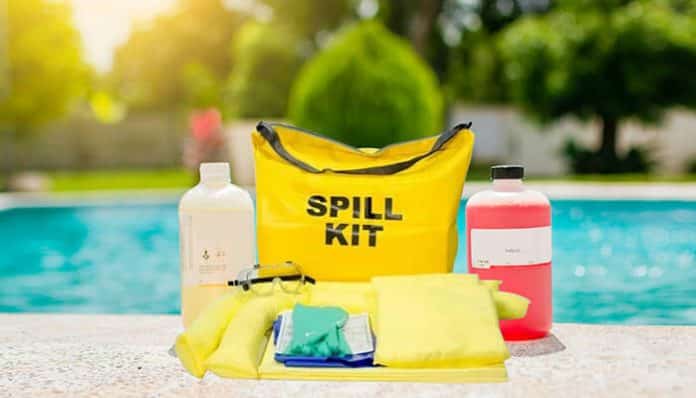

Spills can happen unexpectedly, and when they do, they require an immediate response to prevent environmental damage, avoid safety hazards, and ensure compliance with regulations. In industries ranging from chemical manufacturing to transportation, having the right tools on hand to deal with spills is critical. Portable spill kits provide a practical and effective solution to this problem, allowing organizations to address spills quickly and efficiently, no matter where they occur.
What Are Portable Spill Kits?
Portable spill kits are compact, self-contained kits designed to manage spills of various substances, particularly hazardous liquids like oils, chemicals, and fuels. They typically include absorbents, protective gear, and other materials needed to contain and clean up a spill. Unlike large, stationary spill containment systems, portable kits are lightweight and easy to transport, making them ideal for mobile or remote work environments.
These kits are an essential part of any workplace safety plan, especially in industries that handle hazardous materials. Portable spill kits are designed to be used quickly, often within minutes of a spill occurring, to mitigate potential harm to workers, the environment, and property.
Why Are Spill Containment Kits Important?
Spill containment is a critical aspect of workplace safety. Whether in a factory, on a construction site, or even on a vehicle transporting hazardous materials, spills can pose a significant risk to both people and the environment. Hazardous materials, if left unchecked, can contaminate soil, water supplies, and air quality. Furthermore, many of these materials are highly flammable, which could lead to dangerous fires or explosions.
Having a spill containment kit readily available can be the difference between a minor incident and a major disaster. These kits allow for quick containment, reducing the time that harmful substances are exposed to the environment. Additionally, portable kits help ensure that businesses remain compliant with environmental protection regulations, which often mandate the proper handling and cleanup of spills.
Key Components of Portable Spill Kits
When choosing a portable spill kit, it’s important to ensure that it includes the right materials to handle the type of spills that are most likely to occur in your specific workplace. Some of the most common components found in these kits include:
• Absorbent Pads and Socks: These materials soak up liquids quickly, preventing them from spreading further. Absorbent pads are ideal for smaller spills, while socks can be used to form barriers around the spill to contain it.
• Disposal Bags: Once the spill has been contained and absorbed, disposal bags are necessary for safely removing the contaminated materials. These bags ensure that the waste is handled and disposed of in an environmentally responsible manner.
• Personal Protective Equipment (PPE): Depending on the nature of the spill, PPE such as gloves, goggles, and face shields may be included to protect workers from exposure to hazardous substances.
• Instructions: Clear instructions on how to use the spill kit are essential to ensure that responders act quickly and correctly. These instructions typically cover the proper sequence of actions to take when a spill occurs, from containment to cleanup and disposal.
• Neutralizing Agents: For chemical spills, neutralizing agents may be included to help neutralize the hazardous substances before they are absorbed or cleaned up.
Types of Spill Kits
Not all spill kits are created equal. There are different types available, each designed for specific types of spills. When selecting a kit, it’s important to choose one that is appropriate for the substances that are most likely to be spilled in your particular setting.
1. Oil-Only Spill Kits:
These kits are designed to absorb oils and petroleum-based products. They are ideal for spills involving motor oil, hydraulic fluid, or other non-water-soluble liquids. Oil-only kits use hydrophobic absorbents that repel water while soaking up oil-based substances.
2. Chemical Spill Kits:
These kits are designed for spills involving hazardous chemicals. They typically contain absorbents that are effective against a wide range of chemicals, including acids, bases, and solvents. Chemical spill kits often include neutralizers, which help to safely neutralize the chemicals before cleanup.
3. Universal Spill Kits:
These kits are designed to handle a variety of spills, including oils, chemicals, and water-based substances. They are suitable for most industries and offer a versatile solution for general spill containment.
4. Hazmat Spill Kits:
Hazmat spill kits are specifically designed for spills of hazardous materials, including biological hazards, radioactive substances, and other highly dangerous materials. These kits typically include specialized absorbents and PPE to ensure the safety of workers handling the spill.
Benefits of Using Portable Spill Kits
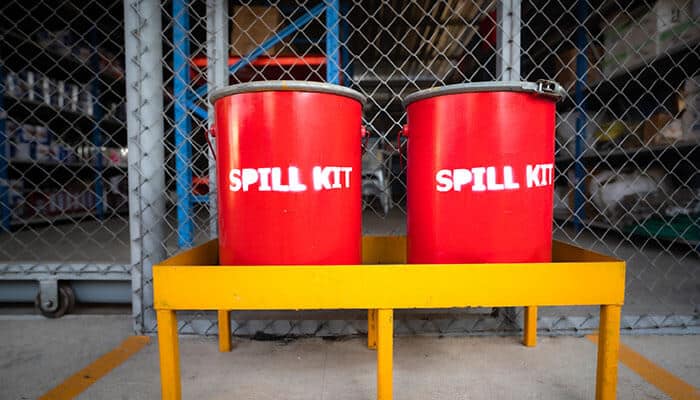
Portable spill kits offer several significant advantages, particularly for businesses operating in environments where spills are a frequent concern. Here are some of the key benefits:
• Quick Response: The main benefit of portable spill kits is their ability to provide a rapid response to a spill. The compact nature of the kits makes them easy to carry and deploy quickly, reducing the time it takes to contain a spill and minimize its impact.
• Cost-Effective: By preventing the spread of hazardous materials, portable spill kits can help reduce the financial costs associated with cleaning up larger spills. They also help businesses avoid fines or penalties for non-compliance with environmental regulations.
• Safety: Spill kits help protect workers and the environment by containing and cleaning up hazardous spills before they can cause significant harm. They also reduce the risk of accidents, such as slips and falls, which can occur when hazardous materials are left unchecked.
• Regulatory Compliance: Many industries are required by law to have spill containment procedures in place. Portable spill kits help businesses comply with environmental regulations, ensuring they meet local, state, and federal requirements for spill management.
Best Practices for Using Spill Kits
While portable spill kits are designed to make spill containment as easy as possible, it’s essential to follow best practices to ensure their effectiveness:
• Regularly Check Kit Supplies: Over time, absorbent pads and other materials can degrade or become used up. It’s important to check spill kits regularly to ensure that they are fully stocked and that all materials are in good condition.
• Train Employees: Simply having a spill kit on hand is not enough. Employees should be trained on how to use the kit and respond to a spill effectively. Regular training ensures that everyone knows what to do when a spill occurs.
• Know the Right Kit for the Job: Ensure that the kit is appropriate for the type of substances most commonly spilled in your workplace. Having the right materials on hand is crucial for effective spill containment.
• Disposal Procedures: After using a spill kit, make sure that all contaminated materials are disposed of according to local regulations. Proper disposal helps to prevent further environmental damage and ensures compliance with waste management guidelines.
What We’ve Learned
Portable spill kits are essential tools for handling spills of hazardous materials, ensuring quick response times and minimizing environmental and safety risks. These compact, easy-to-use kits contain a variety of materials designed to absorb, contain, and clean up spills, protecting workers and the environment. By investing in the right spill kit for your specific needs, regularly checking supplies, and training employees on proper use, you can ensure a safer and more compliant workplace. Spill containment is not just a regulatory requirement—it’s a proactive step toward maintaining a clean, safe, and efficient work environment.