


As industries advance and the demand for precision grows, many professionals and hobbyists are considering whether a laser welding machine is the next essential addition to their workflow. The appeal is clear: laser welding delivers cleaner joints, minimal heat distortion, and faster processing than many traditional methods. However, the wide variety of machines on the market can make the selection process overwhelming. Differences in power, material compatibility, and long-term operating costs mean that choosing without careful research can lead to unnecessary expenses or inadequate performance.
In 2025, the stakes are even higher as laser welding technology becomes more advanced and more accessible. Whether you’re in precision fabrication, small-batch production, repair work, or automated manufacturing, understanding what to look for — and what to avoid — is crucial. This article guides you through the key considerations to help you make an informed decision that aligns with your objectives, your skill level, and the demands of your workspace.
How Laser Welding Works and Why It’s Gaining Momentum
The Basics of Laser Welding Technology
A laser welding machine joins materials by directing a highly focused beam of light onto the weld area. This intense, concentrated energy melts the metal rapidly and with exceptional accuracy, producing narrow, clean welds with very little distortion.
Laser welding is especially effective for thin materials and precision components, where even small amounts of heat can cause warping. Because the heat-affected zone is minimal, the surrounding metal stays stable and typically requires far less post-weld correction or finishing.
Why Industry Demand Is Growing
- Precision for complex assemblies: Industries like automotive, electronics, aerospace, and medical rely on tight tolerances and consistent weld quality. Laser welding excels in these environments.
- Speed and efficiency: Compared to traditional welding, laser welding can be significantly faster, reducing cycle times in production.
- Low thermal impact: Because heat is so localized, distortion, warping, or damage to surrounding material is greatly reduced — especially important for thin metals or precision parts.
- Flexibility across materials and automation potential: Laser welding machines can often handle stainless steel, aluminum, and other metals. Their compatibility with automation or robotic integration supports modern manufacturing workflows.
Given these benefits, it’s clear why many manufacturers, fabricators, and workshops are considering laser welders as part of their 2025 equipment investments.
Evaluating Materials and Application Requirements
Knowing which materials you’ll weld is one of the first steps in choosing a laser welding machine. Metals absorb laser energy differently, and materials like aluminum may require higher power or more precise control than stainless or carbon steel. Understanding how your materials respond helps you select a machine that can deliver the weld quality you need.
It’s also important to consider thickness and part geometry. Laser welding excels with thin metals and intricate shapes, while thicker materials require higher power for proper penetration. For delicate components, look for stable beam control; for heavier work, choose a machine built for deeper welds. Matching machine capability to your workload leads to more reliable and consistent results.
Power, Performance, and Weld Quality
The power level of a laser welding machine greatly influences what it can handle. Higher power supports deeper penetration and faster welds, making it suitable for thicker materials, while excessive power can warp or burn thin components. Choosing a power range that matches the materials and thicknesses you work with most often is essential for producing clean, reliable welds.
Consistency matters just as much as raw power. A dependable machine should maintain a stable beam so each weld is uniform, which is especially important in batch or automated production. Laser welding’s naturally small heat-affected zone also helps reduce distortion and minimizes post-weld finishing. Machines with precise beam control protect part integrity and support smoother, more efficient workflows.
Operational Practicalities and Long-Term Costs
While the upfront price of a laser welding machine matters, long-term operating costs can be just as significant. Consumables like lenses, optics, nozzles, and gas supplies need periodic replacement, and water-cooled systems often require more maintenance than air-cooled ones. Knowing the cost and availability of these items helps you plan for ongoing expenses and minimize downtime.
Energy usage and operator expertise also affect overall value. Power consumption varies by machine size and workload, and consistent results require proper training and careful part preparation. Since laser welding is sensitive to alignment and fit-up, setup time should be part of your evaluation. Considering these practical factors alongside technical specs provides a clearer view of the machine’s true long-term cost.
Safety, Environment, and Workspace Preparation
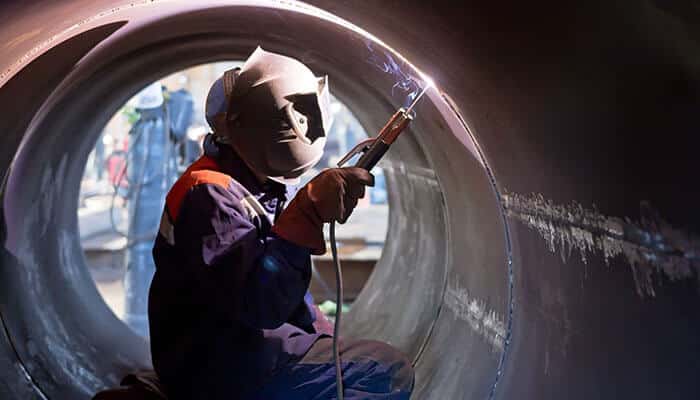
Safety is critical when working with high-powered laser equipment. Even though the process is non-contact, the concentrated beam can still cause eye injuries, burns, or fire risks if not properly controlled. Using laser-rated eyewear, protective barriers, safety enclosures, and adequate ventilation helps maintain a safer environment. Understanding these needs in advance ensures your facility is ready for the equipment.
Workspace preparation is just as important. Laser welders vary in size and may require additional components such as cooling units, shielding gas, or robotic attachments. Making sure your workspace has the correct power supply, enough floor space, and suitable environmental conditions prevents setup issues and keeps operations running smoothly. Good planning also makes it easier to expand or add automation later on.
Common Use-Cases and Examples of Where Laser Welding Excels
| Use Case / Industry | Why Laser Welding Fits |
| Precision metal fabrication | High accuracy, minimal distortion, and suitability for thin components or intricate assemblies |
| High-volume industrial production | Fast weld speeds, repeatability, and easy integration with automated systems |
| Dissimilar or mixed-metal welding | Potential to weld varied alloys, depending on material compatibility and machine settings |
| Repair work, prototyping, and small-batch manufacturing | Flexibility, quick setup, and precise control for diverse or evolving project needs |
Laser welding excels in environments that demand precision, clean seams, and speed, making it valuable for everything from fine metal fabrication to high-volume production and small-batch prototyping. Its ability to handle thin components, intricate shapes, and certain mixed-metal applications helps shops adapt quickly while maintaining consistent quality.
Manufacturers like Denaliweld support these needs by producing fiber laser systems with stable beam control and reliable in-house components, making the technology well-suited for demanding applications in fields such as automotive and aerospace.
Limitations and Trade-Offs to Consider
Laser welding offers many advantages, but it isn’t suitable for every situation. Machines built for precision and thin materials often struggle with thick, structural metals unless they have sufficient power, while high-powered units can be too aggressive for delicate work. Recognizing these limitations helps prevent mismatches between what the machine can do and what your projects require.
The process also relies heavily on proper material preparation. Cleanliness, alignment, and consistent fit-up directly affect weld quality, and poor preparation can lead to weak joints or visible defects. Beyond performance, the overall cost of ownership includes maintaining optics and cooling systems, investing in safety equipment, and ensuring operators are properly trained. Factoring in these practical considerations provides a clearer picture of what adopting laser welding truly involves.
Conclusion
Purchasing a laser welding machine in 2025 can significantly improve speed, precision, and overall weld quality, but making the right choice requires careful evaluation. Factors such as material type, thickness, production volume, workspace setup, and long-term costs all play a role in determining which machine will truly meet your needs. Understanding how power, performance, safety, and maintenance affect your results will help you make a confident, well-informed investment.
Ultimately, the goal is not just to acquire new equipment but to enhance your workflow and achieve consistent, efficient results. A well-matched machine can streamline fabrication, reduce rework, and support your long-term growth — whether you operate a small workshop or a larger manufacturing environment. If you’d like help comparing features or narrowing down suitable options, feel free to ask for guidance.


