


Introduction to the Nurse Educator Role
Pursuing a Master of Science in Nursing (MSN) with a specialty in education opens the door for nurses looking to transition from direct patient care to influential roles shaping the next generation of healthcare professionals. An MSN nurse educator online programs offers the flexibility of online coursework while delivering a rigorous blend of advanced clinical content and in-depth educational theory. By learning to apply evidence-based teaching methods and principles, graduates help strengthen nursing education from within.
The demand for qualified nurse educators continues to grow across academic institutions and clinical settings. As nurses step into teaching roles, they gain the skills to mentor, guide, and inspire students while promoting lifelong learning among healthcare teams. Nurse educators play a crucial role in bridging the nursing faculty gap and ensuring quality education across the healthcare continuum.
Advanced Clinical Knowledge
MSN Nurse Educator programs emphasize a solid foundation in advanced clinical science. Courses in pathophysiology, pharmacology, and advanced health assessment equip future educators with a nuanced understanding of complex patient care scenarios. This expertise is essential for translating textbook knowledge into hands-on teaching moments and preparing students for competent, thoughtful practice.
By deepening clinical proficiency, nurse educators are empowered to model evidence-based practice and emphasize the critical thinking required for patient safety. Staying current with breakthroughs in medicine and nursing also ensures that the curriculum remains relevant to the evolving landscape of healthcare.
Educational Theories and Teaching Strategies
Effective teaching begins with understanding how people learn. MSN Nurse Educator curricula delve into educational psychology and learning theories, such as constructivism and adult learning principles. Through the exploration of active learning strategies, critical thinking exercises, and assessment techniques, nurse educators are taught to tailor their teaching to diverse learning styles and backgrounds.
Equipped with contemporary teaching methodologies, educators can design lessons that engage students, foster inquiry, and promote adaptive problem-solving—a vital skill in the fast-paced world of healthcare. Fostering an inclusive environment not only improves learning outcomes but also prepares nurses to care for diverse populations.
Curriculum Development and Evaluation
MSN Nurse Educator programs place a strong emphasis on curriculum design, implementation, and evaluation. Educators learn to construct syllabi, align course objectives with accreditation standards, and utilize feedback to refine their approach. This ensures that nursing curricula are both accreditor-approved and responsive to the current needs of healthcare delivery.
Program coursework commonly involves constructing and evaluating exams, clinical skill demonstrations, and simulation exercises. This continuous cycle of planning, delivering, and assessing helps future nurse educators develop reflective practice, which is essential for maintaining educational quality and improving teaching methods.
Integration of Technology in Education
The transition to digital learning platforms has transformed nursing education, making technological competence essential. MSN programs teach educators how to leverage online tools, simulation labs, and virtual reality (VR) to create engaging learning experiences. Educators also learn to use learning management systems (LMS), electronic health records in teaching, and digital assessment tools.
By integrating technology, nurse educators improve student engagement, accommodate distance learners, and better prepare nurses for tech-enabled clinical environments.
Clinical Teaching and Preceptorship
Hands-on teaching is a hallmark of any nurse educator role. Through clinical practicums and preceptorship experiences included in MSN programs, educators learn how to translate didactic knowledge into experiential learning. Guiding nursing students in real-world patient care, decision-making, and interprofessional collaboration solidifies their readiness for practice upon graduation.
Preceptors serve as role models and evaluators, using feedback and reflection to foster each learner’s professional growth. These experiences ensure that future nurse educators are not only adept teachers but also compassionate and effective mentors.
Leadership and Communication Skills
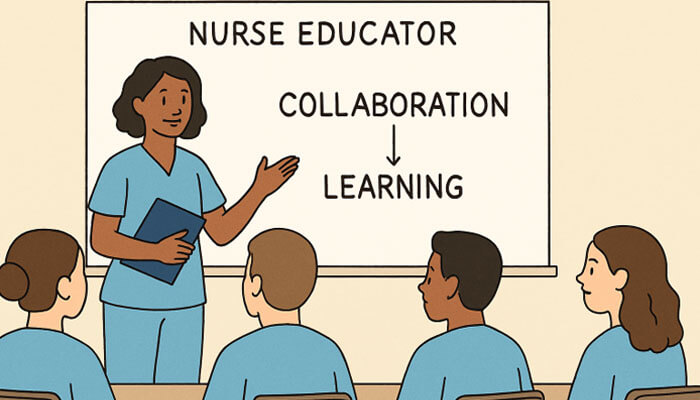
Leadership and communication skills are at the core of a successful nursing teaching career. MSN Nurse Educator programs help nurses cultivate authority in classroom management, team collaboration, and educational advocacy. Educators learn how to foster an open, respectful exchange of ideas, encourage critical discourse, and mentor novice nurses through complex challenges.
Strong communication also extends to collaboration with interdisciplinary teams and participation in healthcare policy discussions, shaping the future direction of nursing programs and ultimately impacting patient care delivery.
Preparation for Certification
Graduating from an accredited MSN Nurse Educator program lays the groundwork for pursuing professional certification, such as the Certified Nurse Educator (CNE) credential from the National League for Nursing. Programs like those offered at Arkansas State University provide a comprehensive curriculum that blends theory, practice, and evaluation, preparing nurses for advanced educational roles. Certification affirms a nurse’s expertise in education and demonstrates a commitment to excellence in the field. A strong foundation in theory, practice, and evaluation also equips educators to maintain certification and contribute meaningfully to educational scholarship and research.
Conclusion
Completing an online MSN Nurse Educator program is a transformative step for registered nurses seeking to influence the future of the profession. These programs blend rigorous academic preparation with practical teaching experiences, fostering a new generation of leaders who are ready to deliver high-quality education and improve patient outcomes at every level of healthcare.
Key Takeaways
- Gain advanced clinical expertise and essential teaching skills designed to elevate nursing education.
- Understand how to develop, evaluate, and innovate nursing curricula in both academic and clinical settings.
- Learn to leverage technology and lead educational change in healthcare environments.
- Prepare for national certification and leadership roles in nurse education.