
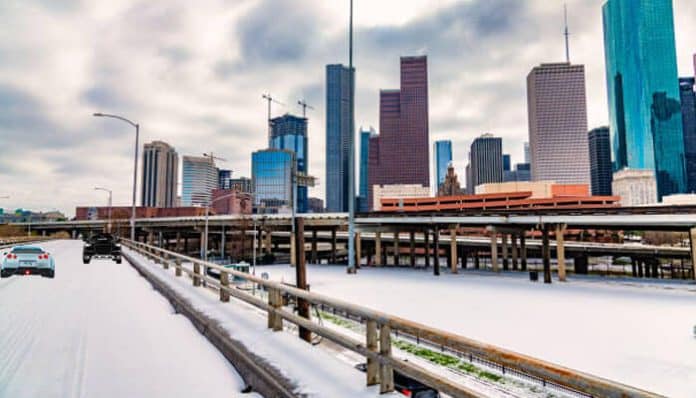

Texas weather doesn’t give offices much room for error, shifting from intense heat to powerful storms, hail, and even unexpected freezes with little warning. Preparing your building, your systems, and your team isn’t about overreacting—it’s about staying ahead of risks that can disrupt operations or put people at risk and ensuring strong Texas’ extreme weather preparedness for offices.
And when the weather can change in a matter of minutes, why wait until the next emergency to discover what your office isn’t ready for?
What Texas Weather Really Puts Your Office Up Against
Texas is known for dramatic temperature swings and weather that changes faster than most buildings can respond, which means offices need to be prepared for more than just “a bit of heat”. When temperatures soar into triple digits for weeks, HVAC systems work overtime, indoor humidity rises, and materials expand and contract in ways that weaken roofs, seals, and exterior surfaces.
Even employees feel the impact, as poor indoor cooling can affect productivity and health. It’s easy to assume the AC will just “handle it”, but heat waves in Texas have become hotter, longer, and more difficult on buildings every year.
Coastal areas face a different challenge. Tropical storms and hurricanes that develop quickly and bring damaging wind, street flooding, and extended power outages. Offices near the Gulf Coast often deal with flying debris, compromised roofs, and water intrusion that can shut down operations for days.
Severe thunderstorms and hail can strike any region of Texas, cracking windows, denting metal roofs, and overwhelming drainage systems in a matter of minutes. And although rare, winter cold snaps like the one in early 2021 show that even Texas offices need to think about frozen pipes, unstable heating systems, and insulation gaps. If the weather can surprise Texas residents, it can certainly catch a business off guard too.
Getting Your Building Ready to Weather the Weather
A strong, well-maintained roof is one of the most valuable defenses an office has against extreme weather. Texas roofs face everything from blistering heat to violent hail, which can cause warping, granule loss, loose flashing, or small punctures that grow into serious leaks.
Regular inspections help catch issues before storm season arrives, and reinforcing weak spots ensures the roof can withstand wind uplift and flying debris. Even small improvements, like replacing aging seals or securing open edges, can prevent expensive water damage later.
Windows and exterior fixtures demand just as much attention. Impact-resistant glass, strong window film, and reinforced door frames help protect offices during hailstorms and high winds. Outdoor signage, HVAC units, solar panels, and rooftop equipment should be securely anchored to prevent them from becoming projectiles or suffering damage that disrupts operations.
Flooding is another reality for many Texas cities, and poor drainage can turn an average storm into an interior disaster. Keeping gutters clear, improving grading, and considering sump pumps or waterproof barriers around vulnerable areas can make the difference between a quick cleanup and major business losses.
Making Your Office Outdoor Spaces Weather-Resilient
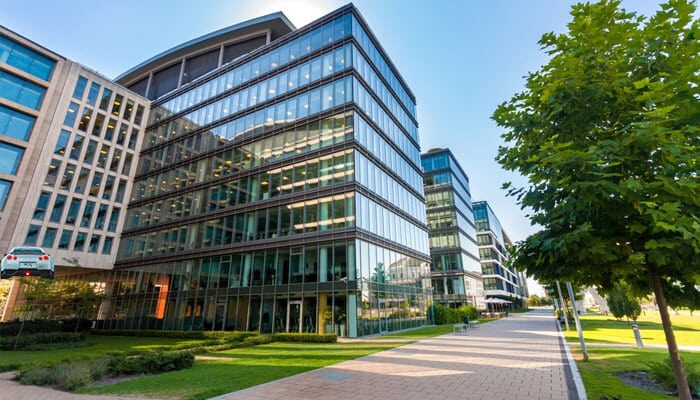
The area around your office plays a bigger role in weather protection than most people realize. Landscaping that uses temperature-resilient plants, drought-tolerant shrubs, and hardy grasses helps stabilize soil, reduce erosion during storms, and prevent water from pooling near the foundation.
Choosing low-maintenance species that can survive long stretches of heat without constant watering also lowers utility costs and reduces stress on irrigation systems when temperatures climb. Even simple upgrades like mulching, pruning, and clearing debris make outdoor areas safer during high winds and heavy rain.
Hardscaping also changes how your property handles extreme weather. Walkways, drainage channels, and permeable surfaces help direct water away from entry points and reduce slippery conditions after storms. Shade trees and thoughtfully placed canopies can lower surrounding temperatures and ease the workload on your building’s cooling system during heat waves.
If your office lawn struggles each summer, switching to more heat-tolerant turf varieties like Bermuda grass or other warm-season alternatives can help the space stay healthy with less water. When landscaping is designed with Texas weather in mind, it does more than look good, it helps protect the building and creates a safer, more comfortable environment for employees and visitors.
Covering Your Business Before the Storm Hits
Many Texas business owners assume their insurance covers all types of storm damage, but not all policies protect against flooding, windstorms, or equipment losses. Understanding coverage details, deductibles, and exclusions is essential long before the next hurricane or hailstorm arrives.
Policies that include water intrusion, roof damage, or equipment replacement often require specific endorsements, and waiting until after a storm hits can lead to unexpected out-of-pocket costs. Reviewing these details regularly ensures there are no surprises when filing a claim.
Documentation is just as important as insurance itself. Updated photos of your building, maintenance logs, inspection reports, and equipment inventories help speed up the claims process and reduce disputes about what was damaged. Storing this information in the cloud means you’ll still have access even if the office is inaccessible or without power.
A strong business continuity plan adds another layer of protection, outlining how your team will stay connected, how clients will be updated, and how work will continue if the building is temporarily unusable. Remote work capabilities, backup communication channels, and alternative work locations keep operations running, even during the most disruptive weather events.
Safeguarding Everything Inside Your Office
Power outages are increasingly common during Texas storms, whether from lightning, downed lines, or grid stress during extreme heat. Offices that rely on digital systems can’t afford sudden shutdowns, so surge protectors, battery backups, and emergency power sources provide a crucial safety net.
These systems keep essential equipment running long enough to prevent data loss, damaged electronics, and sudden failures that halt operations. It may sound like a small investment, but in an outage-prone state, it becomes a strategic one.
Technology infrastructure needs just as much consideration as the building itself. Server rooms require stable cooling to prevent overheating during heat waves or when HVAC systems struggle to keep up. Water leaks, whether from storms or plumbing issues, pose a serious threat to electronics, so sensitive equipment should never sit directly on the floor or near vulnerable walls.
Data backups stored offsite or in the cloud ensure business continuity even if hardware is damaged. Fires are another overlooked risk during extreme heat, as overloaded electrical systems and dry surroundings create ideal conditions for small sparks to become serious problems. Having fire-suppression systems inspected regularly and keeping flammable materials away from heat sources is a simple but essential practice for any Texas office.
Conclusion
Staying resilient in Texas’ extreme climate comes down to understanding your risks, strengthening weak points, and making sure your team knows exactly how to respond when conditions take a sudden turn.
Every improvement, large or small, builds a safer workplace and keeps your operations moving when the weather pushes everything to its limits. And when the next storm forms on the horizon, wouldn’t you rather feel confident that your office is prepared for whatever comes next?