

When it comes to moving, traveling, or even placing items in storage, packing valuable items requires special care and attention. The right approach to pack valuable items safely can protect your investments from damage, theft, or loss, whether you’re handling expensive electronics, delicate heirlooms, jewelry, or important documents.
Here’s a comprehensive guide to help you pack your valuable items safely and securely
1. Identify Your Valuable Items
Before you begin packing, take inventory of all valuable items. These can include:
- Jewelry and watches
- Important documents (passports, wills, deeds)
- Electronics (laptops, cameras, tablets)
- Artwork or antiques
- Collectibles (coins, stamps, memorabilia)
Make a detailed list, and consider photographing each item for insurance purposes. This step is essential in case anything is lost or damaged during the move.
2. Use High-Quality Packing Materials
Standard moving boxes might not cut it for valuables. Use sturdy, reinforced boxes and high-quality packing materials such as:
- Bubble wrap for fragile or glass items
- Foam inserts or padding for electronics
- Anti-tarnish paper or cloth for jewelry and silverware
- Waterproof plastic sleeves or folders for documents
- Tamper-evident tape or locks for added security
Avoid using newspaper for wrapping delicate items—it can leave ink stains, especially on ceramics or fabric.
3. Pack Valuable Items Safely with Care and Cushioning
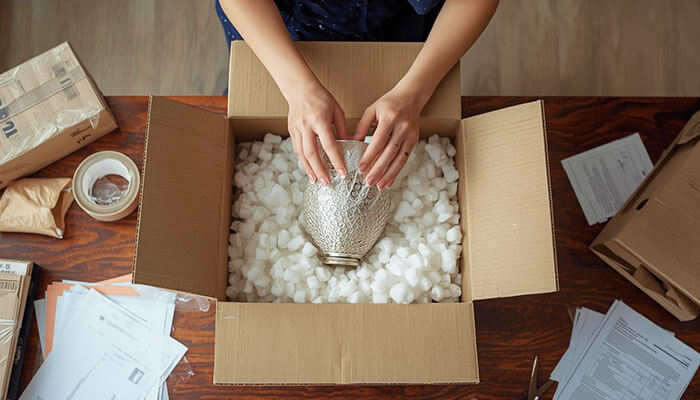
Proper cushioning is key. For fragile items, wrap each piece individually and ensure there is enough padding on all sides. Electronics should be packed in their original boxes whenever possible. If not, use anti-static bubble wrap and custom-fit padding to prevent movement inside the box.
Documents should be placed in waterproof folders and then inside a fireproof, lockable box or briefcase. Jewelry can be stored in small containers or pouches, then placed in a larger, cushioned box.
4. Label Wisely—But Discreetly
Avoid labeling boxes with obvious terms like “valuables,” “jewelry,” or “expensive electronics.” This could make them a target during a move. Instead, use a code or general terms like “office” or “decor” for added discretion.
Keep a master inventory list separate from the boxes, preferably with you during transport.
5. Transport Them Yourself When Possible
Whenever feasible, transport valuable items in your personal vehicle rather than with the moving truck. Carry items like jewelry, important documents, and small electronics with you. If using a moving company, check their insurance policies and ask about special procedures for handling high-value items.
6. Insure Your Valuables
Even with careful packing, accidents can happen. Ensure all valuable items are properly insured, either through your homeowner’s insurance or through additional moving insurance. Keep receipts, appraisals, and photos on file as proof of value.