


Football isn’t just a 90-minute sport anymore. While it’s always been about community, the internet has brought global fan communities closer than ever, and it is leading to clubs using sports digital assets to create a closer relationship. The sport has been moving away from a broadcast model for some time now, where participatory fan token ecosystems, exclusive content, and other incentives are creating stronger loyalties.
The distance between clubs and global fans
Digital fan communities share similar principles to traditional, local communities of support. In some cases, it’s people who have moved away from their home town but want to continue feeling involved – online spaces are the answer. For others, they may not have a strong local football culture and instead follow role models, like Kylian Mbappé.
What has helped this is the use of fan tokens for football clubs. These are basically digital membership keys, which have always existed in one form or another. A Gold membership at Arsenal in the 2000s, for example, would mean priority ticket access, club shop discount, and a membership pack (a card, sometimes a scarf/pin).
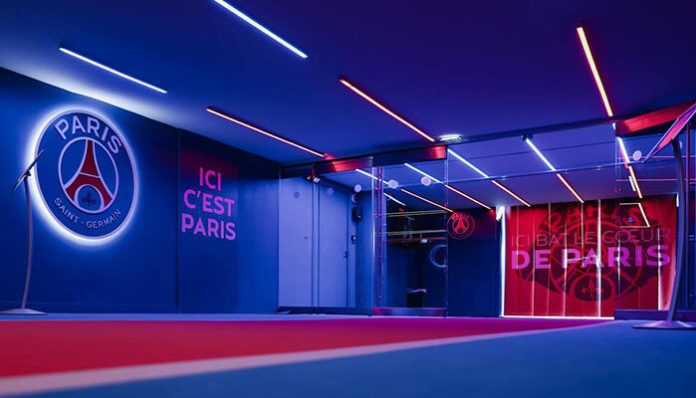
It had some utility, but nothing like the tokens hosted on the Chiliz blockchain, which are letting supporters join in with decisions within the club. Holding polls is akin to being a shareholder who can vote, but the votes are more about aesthetic and cultural changes, like club anthems or motivational messages in the players’ tunnel.
For the club, beyond improving football fan engagement, it’s actually a form of de-risking the small commercial decisions because it’s a constant feed of sentiment analysis. In other words, it’s democratic, and these decisions can no longer be “wrong”.
Following the Paris Saint-Germain model
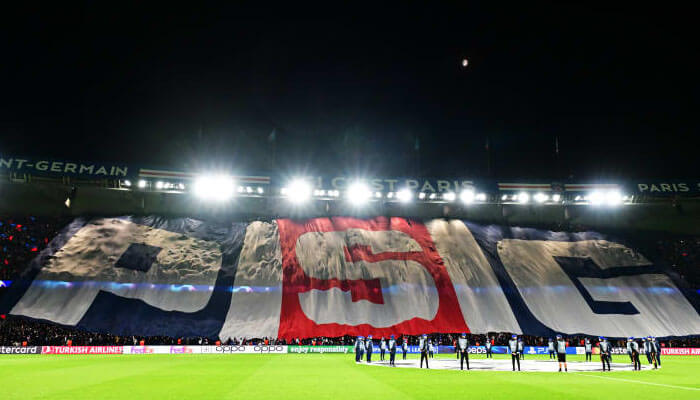
PSG has been a leader in this form of loyalty-building, partly because of its existing global support. They launched the PSG fan token and it opened up a new revenue stream as well as a tool for engagement.
A milestone for the industry was in 2021 when Lionel Messi’s signing package included a large amount of the Paris Saint-Germain fan token. It was the first time a world-class player’s contract had direct ties to a digital asset – it was the start of a new era, and helped legitimize these tools and their use in player recruitment and financial strategy.
PSG’s commitment to innovation in general is proven by PSG Labs at Station F, which is the world’s largest startup campus. The club explores computer-vision tracking and other tech to help modernize the fan experience.
Blockchain governance
These digital assets aren’t just about voting on club decisions but unlocking experiences, like VIP hospitality on matchday (being held in a draw with potential to win).
PSG became a leading club to act as a validator on the Chiliz Chain. It helps them secure the network while using staking rewards for buy-back programs. Ultimately, PSG, like many other clubs, is looking to move away from being a user and towards being a true stakeholder in these new ecosystems.
