

Key Takeaways
- Accident claims highlight safety deficiencies, prompting necessary infrastructure improvements.
- Data from claims inform policy changes and the adoption of advanced safety technologies.
- Community engagement in safety initiatives leads to more effective and sustainable solutions.
When people think of accident claims, they often picture legal disputes or settlements, but these claims are far more than that. Accident claims act as early warning signals, shining a light on areas where our roads, neighborhoods, and communities fall short in protecting public safety. When patterns emerge from these claims, such as recurring accidents at a certain intersection or injuries involving similar circumstances, it becomes clear that there are underlying problems that need to be addressed. Turning to a personal injury lawyer not only helps victims seek justice but also channels critical data and feedback to authorities and planners working to prevent future harm.
Over time, the accumulation and analysis of accident claims can lead to transformative change. They drive improvements in public infrastructure, highlight where laws fall short, and make the case for new policies or technologies that can save lives. Community members, city planners, engineers, and policymakers all have a stake in this continuous process of learning and improvement. Rather than being static complaints, accident claims are dynamic tools that compel action and foster a safer, more aware society.
These claims become especially vital in an era of rapidly advancing transportation technology and changing urban landscapes. Governments, insurance companies, legal professionals, and local organizations are increasingly recognizing that proactive engagement with these records yields a concrete roadmap for reducing risk and saving lives.
By understanding how accident claims point to recurring hazards and spark practical responses, individuals and communities become empowered to advocate for solutions that protect everyone who travels, works, and lives in their area.
Identifying Safety Deficiencies Through Claims
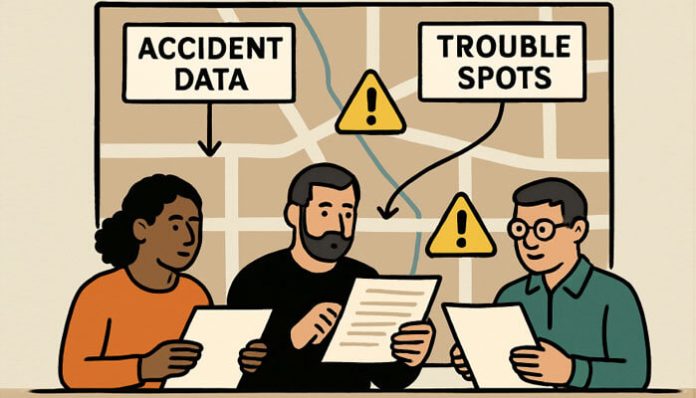
Each accident claim is a data point that tells a story about what went wrong and why. By aggregating these stories, municipalities and safety analysts uncover hazardous patterns, such as poorly designed intersections, inadequate lighting, or missing crosswalks. For example, if a surge of accident claims emerges from one intersection, urban planners are prompted to investigate further. Installing new signage, improving traffic signal timing, or updating street layouts often follow, addressing potential hazards before they result in even more injuries or fatalities. This cycle of discovery and intervention is supported by the robust analysis of claims that shine a spotlight on preventable safety gaps.
Influencing Policy and Legislation
Lawmakers and agencies rely on trends revealed by accident claims to shape new laws and adjust existing regulations. These claims provide compelling evidence of recurring risks, supporting the rationale for change. A recent example is the National Highway Traffic Safety Administration’s mandate requiring all new passenger vehicles to be equipped with automatic emergency braking by 2029, a policy rooted in consistent findings from years of accident claim data. Such regulatory changes demonstrate that accident claims play a direct role in crafting policies designed to minimize collisions and protect public health.
Advancements in Vehicle Safety Technology

The rapid development of vehicle technology has fundamentally altered the landscape of accident investigations and safety responses. Autonomous driving systems, for instance, generate significant data, and accident claims involving these vehicles provide a wealth of information for safety assessments. One comprehensive study found that Waymo One, an autonomous rideshare service, had zero bodily injury claims across over 3.8 million fully driverless miles, compared with human-driven counterparts. Transparent reporting of such claim outcomes pushes manufacturers and regulators to set higher safety standards across the industry.
Vehicle technology also includes features like lane-keeping assistance, collision warning systems, and pedestrian detection, all influenced by accident claim data that highlight both needs and shortcomings. As a result, the feedback loop created by accident claims and technology developers leads to safer vehicles for everyone.
Community-Driven Safety Initiatives
While systemic change often requires legislative and regulatory action, community involvement is crucial for localized and practical solutions. Residents, neighborhood organizations, and advocacy groups frequently use accident claim statistics to press for immediate safety improvements. In Indianapolis, the Community Heights Neighborhood Organization took action after reviewing claim data and resident reports of repeated crashes. Their installation of temporary traffic barriers successfully led to a 73 percent reduction in crashes over just a few months, demonstrating the power of grassroots safety engagement.
The Role of Legal Professionals in Safety Advocacy
Attorneys specializing in personal injury and accident claims play a vital part in connecting individual grievances with broad societal progress. They not only fight for their clients’ rights but also analyze trends to spot widespread problems. Legal professionals regularly participate in public safety hearings, consult with traffic engineers, and provide testimony that helps formulate new regulations. Their collective experience transforms isolated incidents into actionable insights, advancing progress on the most urgent safety issues facing their communities.
Challenges in Implementing Safety Measures
Even with clear evidence from accident claims, the road to improvement is not always smooth. Budget limitations, political debates, bureaucratic red tape, and opposition from stakeholders who fear inconvenience or increased costs all delay the rollout of safety initiatives. Successful outcomes require ongoing partnerships among government, legal representatives, concerned residents, and advocacy organizations. Clear communication, transparent goal-setting, and diligent follow-through help overcome these obstacles so safety solutions can be enacted and sustained.
Final Thoughts
Accident claims are much more than documentation of misfortune; they are catalysts for systemic learning and continuous improvement. When these insights are shared among individuals, policymakers, community groups, and legal professionals, the end result is smarter, safer infrastructure and stronger regulations. With every claim, there is an opportunity to prevent the next accident and deliver lasting protection for all members of the community.