
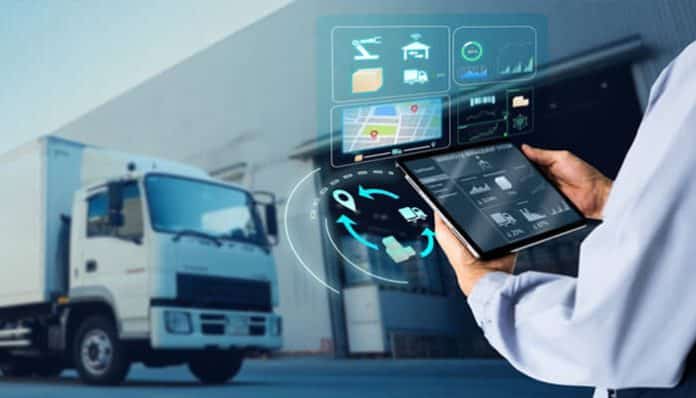

Transport businesses are like orchestras; if they don’t connect everything, it’s a lot like trying to operate an orchestra where half the musicians can’t hear the rest. Sure, the right note is played at the right time, but ultimately without being coordinated, it all falls apart. This is what happens when dispatchers, drivers, warehouses and customers all operate off separate pieces of information, things get missed, communications breakdown, and pressure builds extremely quickly. Fortunately, logistics software over the years have focused on solutions to this exact problem.
When Everyone Operates Off The Same Page
This is where technology essentially earns its keep. The transportation management system is a centralized hub through which every single piece of an operation inputs and outputs the same information. Dispatch understands what’s on the plate for each driver. Warehouse teams acknowledge what’s picked up versus what’s still waiting. Customers receive real-time updates instead of generalized windows of arrival. It’s not magic; it’s merely exceptional systems design doing what it’s intended to do.
It’s hard to understate the difference this makes on a daily basis. Without centralized visibility, someone is left chasing information, a call to the driver for eta, manual spreadsheets for an updated route check, or several guess-and-checks trying to figure out where a shipment may be at that moment. With connected information, that chasing comes to a halt. The information is there, accurate and consistent, without anyone having to lift a finger to get there.
Communication Between Dispatch and Drivers
Of all the relationships that are most important in a transport business, the connection between dispatch and drivers is top of the list, and at the same time, the easiest one to disrupt. A message doesn’t get read, route changes aren’t discussed, a driver shows up somewhere, only to learn that job isn’t needed any longer. It’s not rare edge cases that happen; it’s daily friction that wears down teams over time.
Connected systems change the dynamic tremendously. Drivers receive dispatch updates via their mobile apps in real-time and dispatch can see in real-time where each vehicle is without having to call directly. Should anything change along the way (a customer request, a roadblock or new pickup added), it’s pushed out instantly. Both parties work off current information instead of what was correct an hour ago at best.
This communication loop also promotes accountability; a definitive record exists for what was dispatched versus delivered and noted upon. And when a customer questions something, their answer is already there.
Warehouse and Freight Operations
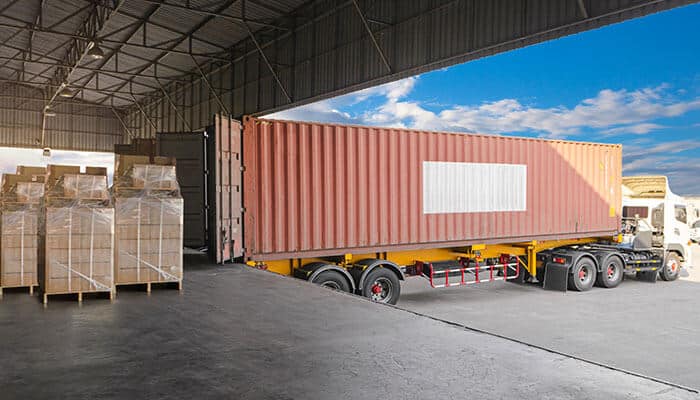
Where warehouse operations fit into transport management is often treated as disassociated; however, they’re intrinsically tied. If freight isn’t ready for a pick-up when a driver arrives, that’s time wasted—even if it doesn’t reflect this as an easy-to-read line item. If a pick-up window is missed because the system didn’t catch it early enough for the driver to act on it in time, this shifts the entire appointment schedule for the day. This misalignment can be expensive, even if it doesn’t always present itself as such.
When warehouse operations feed into the transportation management system, timing grows tighter. Drivers are able to be routed to docks that are ready for them to be there, freight that is scanned and confirmed actively appears in the system without manual entries needed. The transition from warehouse to transportation operations becomes a connected handoff instead of guesswork.
For organizations doing high volumes of transportation work, this is where much of the efficiency advantage actually lives. It’s not always about big, monumental movements that sap time and money; sometimes it’s the small bits adding up across hundreds of movements.
Customer Visibility Without Increased Workload
Customers want to know where their freight is. That’s nothing new, but instead, expectations have changed. Generalized updates or notifications two hours after the fact don’t fly anymore; people want transparency as things occur, and more importantly, accurate transparency.
The downside of doing this manually is that it creates more work from everyone involved. Someone checks on status and has to bring it up to make an update, craft an email response or request, and that’s if they have the correct information in real-time. With connected systems automatically track and manage this, they push out notifications when freight is picked up, freight is in transit, freight has been delivered. The customer gets acknowledgment without anyone having to divert focus from their work to do so.
This also eliminates inbound questions; when customers already know what they have to know, they don’t need to reach out asking what they may have missed. It’s less pressure on administrative resources and a greater appeal for customers, two things that truly matter when trying to build a reliable reputation over time.
The Big Picture
What a well-connected system ultimately grants, is operational clarity for every department from dispatcher to driver to warehouse professional to customer service agent, everyone works off the same information at the same time. Decisions happen faster because data is present, and potential problems are caught earlier because nothing lives hidden in a silo.
Transport businesses that invest in proper connectivity across operations find that much of daily stress simply dissipates, not because the work gets easier, but because information is no longer the problem. And when information can freely flow across an entire operation, everything else has a much greater chance of running as intended.