
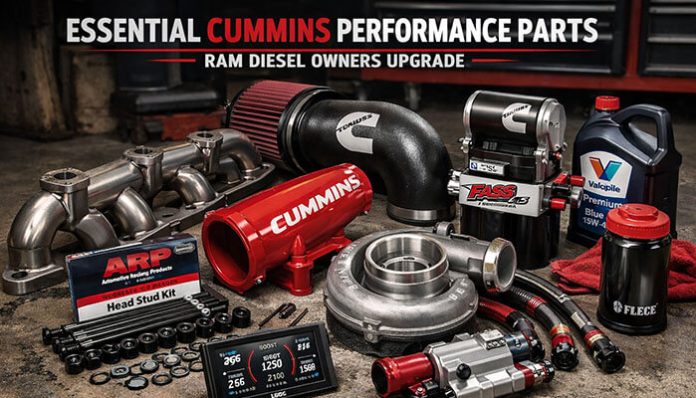

The Cummins-powered Ram has a loyal fanbase rooted in years of proven on-road performance and a modification group that’s improved the system longer than most new diesel trucks have been around. Starting with the original 12-valve B-series up to today’s 6.7, the inline-six design has held up well under upgrades that actually deliver noticeable gains instead of small, fleeting changes.
What draws many fans to this setup is the clear order in which parts can be upgraded. There’s a known sequence of improvements that seasoned builders have tested over time, and sticking to it leads to reliable results without costly mistakes from skipping steps or not knowing what each piece does. The platform supports structured approaches to building.
This kind of progression tends to lead to better outcomes, especially when people follow the established path rather than making random changes. Most modifications produce real benefits when done in the right order.
ECM Tuning: The Modification That Changes Everything
A good ECM tune on a Cummins-powered Ram tends to make the biggest difference right awayprobably more than any other change. Experienced truck builders usually start with this first. The factory settings on every Cummins model are set on the low side, intentionally, because they have to work with inconsistent maintenance, fuel quality that varies, and different driving situations across both commercial and regular buyers.
A performance tune removes that cautious setup and adjusts fuel delivery, ignition timing, and boost levels to match what the engine can actually handle.
Tuning alone on the 6.7-liter Cummins might add 80 to 120 horsepower and 150 to 250 lb-ft of torquedepending on the tune and what else is already in the truck. Older 5.9 engines might see even bigger gains since their original settings were more cautious than what those engines can physically handle.
The way the truck behavesespecially in mid-range power for towing or everyday startsis noticeably better right after tuning.
Intake Upgrades and Cold Air Systems
Intaking air efficiently is a key part of engine performance. Inside most Ram Cummins trucks, the factory air system balances space usage, noise, and airflow for standard power levels. It functions well when driving within the original tuning limits, but if modifications raise fuel and boost needs, the small airbox and short pipes start to restrict performance. This limits how much power can be produced and reduces how efficiently the turbo works.
An aftermarket cold air intake replaces the stock box with a wider path that pulls cooler, denser air from outside the engine bay. The gain in power from this change is usually between 10 and 20 horsepower. However, the overall advantages matter. Cooler air is denser, allowing more fuel to be added safely. The open inlet also helps the turbo respond faster and deliver boost more smoothly across different speeds. Probably, this setup improves drivability more than just the horsepower increase suggests.
Exhaust System and Back Pressure Reduction
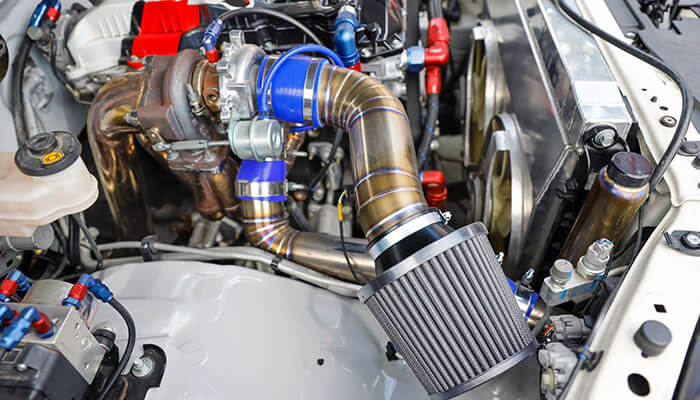
The downpipe creates the biggest effect on turbocharged Cummins builds. A larger-diameter downpipe reduces restriction right after the turbocharger, cutting backpressure where it matters most. This lets the turbo work more efficiently and maintain boost under steady loads. Backpressure forces the turbo to work harder, which drops efficiency and increases heat and pressure. Without enough clearance, the system struggles to move exhaust gases smoothly. (This improvement is especially clear in high-boost tuned engines.) The turbo can’t keep up if there’s too much resistance in the downstream pipe. With less backpressure, the engine maintains better performance over time. Tuning can only deliver full power if the turbo isn’t held back by exhaust resistance. The downpipe upgrade stops the turbo from becoming a limiting factor.
Cat-back exhaust systems contribute less to power than the downpipe section but offer meaningful improvements in exhaust note, something that matters to enthusiasts even if it doesn’t show on a dyno sheet. The deep, authoritative tone of a Cummins running a quality exhaust system is part of the ownership experience for many Ram diesel enthusiasts, and it’s a modification that improves the character of the truck even if the power contribution is secondary.
The combination of performance intake and exhaust working together with a quality tune creates a cohesive airflow improvement that lets the engine breathe properly at elevated power levels. Experienced Cummins builders at suppliers like diesel patriots consistently recommend addressing both sides of the airflow equation together rather than treating intake and exhaust as independent modifications. The system-level improvement exceeds what either delivers independently.
Fueling Upgrades: Injectors and Lift Pumps
Once airflow and tuning are adjusted, fuel delivery limits power gains. Thing is, stock injectors were built for normal driving with some cushion. That cushion vanishes when tuning gets aggressive, or goals get high.
Injectors run too hot, wear out faster, and fail to supply consistent fuel under high demand. At high power levels, small injectors struggle to keep up. They heat up fast and can’t deliver the exact amount of fuel needed.
Upgrades for the Cummins are available across different performance needs. Some boost flow for daily use; others provide much higher flow for racing.
You must pick the right size based on your actual power goals and how other parts are changed. An injector that’s way too big won’t run well at low loads, wastes fuel, and can smoke without giving real top-end power. Turns out, matching size to tune is what actually works.
Intercooler and Charge Cooling
The intercooler is key to keeping the entire engine setup running smoothly instead of just boosting performance briefly. Air compressed by the turbocharger comes to the intercooler hot because the compression process creates a lot of heat, and the intercooler must cool it down before the air reaches the engine. Cooler air holds more oxygen, which enables more fuel to burn safely and keeps exhaust gas temps within safe limits during long periods of high demand.
Most Cummins trucks come with an intercooler built for standard boost levels and it works well under those conditions. When a performance tune pushes boost much higher, that factory cooler fails as it cant handle the increased airflow or heat load efficiently. Charge temps go up, leading to less power output and forcing the computer to cut back on timing and fuel deliveryexactly what you wanted to avoid. It seems hard to ignore how a small upgrade here could make a noticeable difference in long-term reliability. (This is especially true for engines in heavy-duty applications.)