
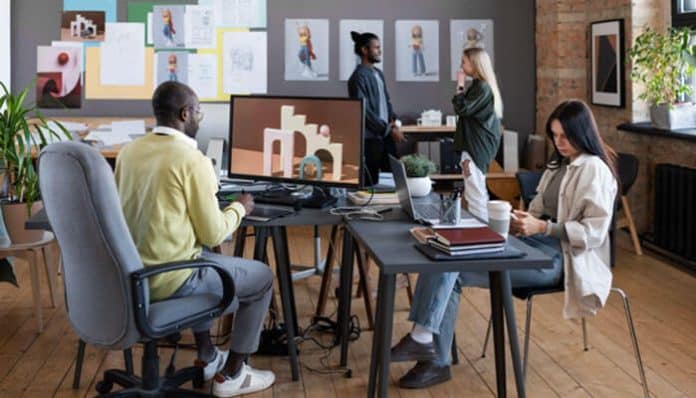

Startups thrive on agility, creativity, and relentless productivity. Every team member wears multiple hats, deadlines are tight, and the pressure to deliver is constant. In this high-energy environment, founders often prioritise product development, marketing campaigns, and securing funding over what might seem like secondary concerns—like creating ergonomic workspaces for startups. Yet here lies a critical oversight: the physical workspace directly influences whether your team sustains that energy or burns out under its weight.
A well-designed, ergonomic workspace isn’t a luxury; it’s an investment in your team’s capacity to perform. When your startup’s employees spend eight hours a day at their desks, the quality of that space matters enormously. This is where one foundational decision stands out above the rest: choosing a quality desk chair. That single piece of furniture—often overlooked in the rush to get the office up and running—can be the difference between a focused, energised team and one plagued by fatigue, back pain, and diminished morale. Investing in proper seating from day one reduces physical strain, boosts team morale, and signals to both employees and clients that your startup is serious about creating a professional, thoughtful environment.
Building a Foundation: Why Ergonomics Matter for Lean Teams
Ergonomic design is the science of fitting the workspace to the human body, not forcing the body to adapt to an awkward setup. For startups, where team members often spend marathon sessions at their desks—coding, designing, analysing data, or handling customer calls—poor ergonomics quickly translates into real costs: recurring back pain, wrist strain, headaches, and the kind of chronic discomfort that erodes focus and motivation.
A proper ergonomic workspace encompasses several elements working in concert. Good lighting reduces eye strain and headaches, preventing the mental fog that kills productivity mid-afternoon. Desk height should allow forearms to rest parallel to the ground when typing, reducing shoulder tension. Monitors should be positioned at eye level to avoid neck strain. Keyboard trays, document holders, and footrests all contribute to a balanced, sustainable posture. But none of these elements matter if your team is perched on an inadequate chair, struggling to sit upright or constantly shifting to find comfort.
A high-quality desk chair supports the spine’s natural curve with proper lumbar backing, allows height adjustment to suit different body types, features breathable materials for all-day comfort, and typically comes with a warranty that reflects the manufacturer’s confidence in the product. These features prevent the creeping injuries that can sideline your best people or drive them to seek more comfortable opportunities elsewhere.
The Hidden Cost of Cutting Corners
Many startups approach furnishing with a “we’ll upgrade later” mentality, sourcing budget office chairs from big-box retailers or accepting hand-me-downs from previous tenants. The logic seems sound: save money today, spend it later. In reality, this approach backfires.
Cheap chairs deteriorate quickly, requiring replacement within a year or two. More importantly, they contribute to employee dissatisfaction and health issues that impact retention—and replacing a trained team member is exponentially more expensive than investing in proper seating from the start. Studies consistently show that employees in poorly designed workspaces take more sick days and are more likely to accept offers elsewhere.
The long-term gains of early investment are substantial: reduced absenteeism, higher productivity during working hours, improved employee retention, and the intangible benefit of showing your team that you value their well-being. When a new hire sits down in a thoughtfully ergonomic workspace, they immediately sense that this startup operates at a higher standard.
Choosing the Right Desk Chair: A Practical Guide
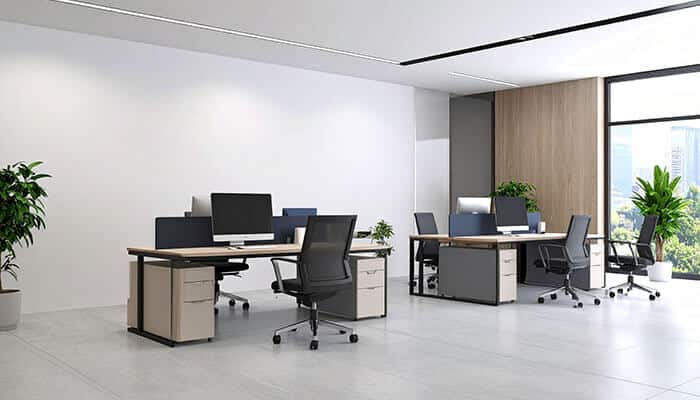
When evaluating desk chairs for your startup, focus on these key factors. Adjustability is non-negotiable—height adjustment, seat tilt, armrest positioning, and lumbar curve support ensure the chair adapts to different team members and work styles. Lumbar support directly addresses lower back strain, the most common workplace injury. Look for chairs with contoured backing that follows the spine’s natural S-curve.
Material matters too. Breathable mesh or high-quality fabric prevents the discomfort of sitting in a puddle after a long day, while leather requires more maintenance. Check the warranty; reputable manufacturers typically back their chairs for five to ten years, reflecting durability and standing behind their product.
Budgeting for ergonomic seating doesn’t mean overspending. A solid mid-range office chair—typically in the $400–$800 range—strikes the balance between quality and cost. Calculate the investment per team member per year over five years; the math becomes far more favourable than it initially appears, especially compared to turnover costs.
Expanding Beyond the Chair: Equipping Your Entire Workspace
While the desk chair is your foundation, a truly ergonomic workspace requires coordinated furnishings. This is where many startups realise they need not just chairs but desks at proper height, meeting-room furniture, storage solutions, and accessories—an overwhelming array of decisions if sourcing from multiple vendors.
This is exactly where a full-service supplier like Area Office becomes invaluable. Area Office specialises in comprehensive office solutions, offering everything from ergonomic chairs and height-adjustable desks to meeting tables, storage systems, and workspace accessories—all available in one place. For a startup, this one-stop approach saves immense time and coordination effort.
Beyond convenience, sourcing from an established supplier means consistency. Your entire office reflects a coherent aesthetic and quality standard rather than a patchwork of random pieces. Logistically, dealing with a single vendor simplifies shipping, returns, and warranty claims—critical factors when you’re scaling fast and can’t afford complicated supplier relationships or furniture arriving damaged. Area Office also typically offers bulk discounts, making your overall investment more efficient as you equip multiple workstations.
Smart Procurement for Growing Startups
As you plan your office setup, think strategically. Prioritise modular, scalable furniture that adapts as your team grows from five people to fifty. Choose neutral colours and designs that won’t feel dated in three years. If the budget is tight initially, invest first in seating and core desks, then build out meeting-room furniture and storage as revenue allows.
Align your furniture choices with your brand identity and scale-up plans. A fintech startup might lean toward sleek, modern pieces; a creative agency might embrace more colourful, flexible arrangements. Supplier partners who understand this—like Area Office—can guide your aesthetic decisions while keeping functionality and budget in focus.
The Startup Office Equipment Checklist: 7 Essentials for an Ergonomic Workspace
Before launching your office procurement process, use this checklist to ensure you’re covering all the fundamentals. Prioritise items higher on the list if the budget is constrained, then build out as revenue allows.
1. Quality Ergonomic Desk Chairs — Start here. Invest in chairs with adjustable height, lumbar support, breathable material, and a solid warranty. This is your foundation and directly impacts team health and retention.
2. Height-Adjustable Desks — Pair your chairs with desks that allow sitting and standing transitions throughout the day. Height adjustability reduces the strain of static posture and accommodates team members of different heights.
3. Proper Lighting — Overhead fluorescents alone cause eye strain and headaches. Add task lighting at each workstation and consider full-spectrum LED bulbs that reduce fatigue and improve focus during long work sessions.
4. Monitor Stands and Positioning — Monitors should sit at eye level, about an arm’s length away. Use monitor stands or arms to achieve the correct height and reduce neck strain, especially for multi-monitor setups.
5. Keyboard and Mouse Placement — Position keyboards and mice so forearms remain parallel to the ground when typing. Consider ergonomic keyboards or wrist rests for team members doing extensive data entry or coding.
6. Meeting Room Furniture and Collaboration Spaces — As your team grows, dedicated meeting areas with comfortable chairs and proper tables become essential. These spaces support creativity and client interactions without disrupting open-workspace focus.
7. Storage and Organisation Systems — Clutter breeds stress and reduces focus. Invest in filing cabinets, shelving, and desk organisers that keep materials accessible but out of sight, maintaining a clean, professional aesthetic.
This checklist ensures that as you build your startup office, you’re addressing ergonomic needs holistically rather than haphazardly adding pieces as problems arise.
The Payoff: Building an Environment That Supports Your Startup’s Growth
For startups, the right physical environment matters almost as much as the digital tools. It’s the stage on which your team performs daily, and it directly influences whether they thrive or merely survive. The right desk chair is your entry point—a signal to yourself and your team that this startup takes both professionalism and human well-being seriously.
Start today by auditing your current seating. Does everyone have proper support, or are some team members struggling with uncomfortable chairs? Prioritise replacing the worst offenders with a quality desk chair. Then, plan your broader office setup: desks, lighting, storage, and meeting spaces. Consult a comprehensive supplier like Area Office to source coordinated, durable furniture that grows with you.
As your startup scales from scrappy beginnings to an established player, this foundational investment will pay dividends in employee well-being, sustained productivity, and the professional impression you make on clients and investors. Your team will thank you—and your bottom line will too.