
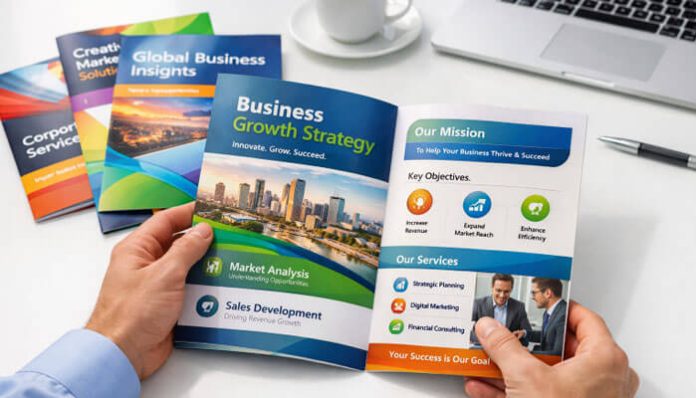

In today’s fast-paced world, a well-designed brochure can be a game-changer for businesses aiming to make a lasting impression. It’s not just about aesthetics; it’s about conveying your message effectively and engaging your audience. Let’s dive into some essential tips to create brochures that truly captivate.
1. Know Your Audience
Understanding who you’re speaking to is the cornerstone of any successful marketing material. Tailor your brochure’s content and design to resonate with your target demographic. This ensures relevance and increases the likelihood of engagement.
2. Define Your Purpose
Before you start designing, pinpoint the primary goal of your brochure. Are you introducing a new product, promoting a service, or providing information? A clear objective will guide your content and design choices, ensuring a cohesive and effective piece.
3. Craft Compelling Headlines
Your headline is the first thing readers notice. Make it catchy and informative to draw them in. A strong headline sets the tone and encourages further reading.
4. Keep Content Clear and Concise
In a world where attention spans are short, brevity is key. Use bullet points, short paragraphs, and direct language to convey your message quickly and effectively.
5. Incorporate High-Quality Images
Visuals play a crucial role in capturing attention. Use high-resolution images that align with your message and brand identity. Quality visuals can significantly enhance the appeal of your brochure.
6. Maintain Consistent Branding
Ensure that your brochure reflects your brand’s colors, fonts, and overall style. Consistency reinforces brand recognition and trust among your audience.
7. Include a Strong Call to Action
Guide your readers on the next steps. Whether it’s visiting your website, calling for more information, or making a purchase, a clear call to action is essential for driving engagement.
8. Choose the Right Printing Partner
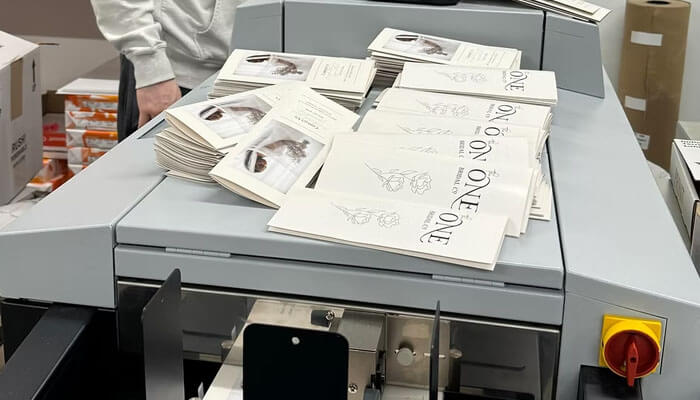
The quality of your printed brochure speaks volumes about your brand. Partnering with a reputable printing service ensures that your brochures look professional and leave a positive impression. For instance, UPrinting offers comprehensive brochure printing services, providing a range of customization options to meet diverse business needs.
By following these tips, you can create brochures that not only look great but also effectively communicate your message and engage your audience.
9. Design for Easy Navigation
One of the hallmarks of an effective brochure is that it guides the reader effortlessly from one section to another. To achieve this, pay close attention to the flow of information and the arrangement of elements on each page or panel. Use clear section headings, numbered steps, or visual cues such as arrows and icons to direct the reader’s eye. A well-organized brochure ensures that readers can quickly find the information they seek, increasing the overall effectiveness of your material.
10. Utilize White Space Strategically
White space, or the empty space between elements, is a powerful design tool that can dramatically impact the readability and aesthetic quality of your brochure. Adequate spacing between paragraphs, images, and other elements prevents clutter and gives your content room to breathe. This not only highlights important sections but also makes your brochure look polished and professional. Remember, sometimes less is more when it comes to design.
11. Select Appropriate Paper Stock
The choice of paper can be just as important as the design itself. A premium, thick paper stock conveys quality and durability, while a glossy finish can make colors pop and images appear more vibrant. If your brochure will be handled frequently or mailed out, consider using a more robust paper to withstand wear and tear. Paper choice reinforces the perception of your brand, so select a stock that aligns with your overall messaging and purpose.
12. Add Value Through Useful Extras
Enhance your brochure’s value by incorporating features such as discount coupons, perforated response cards, detachable business cards, QR codes linking to videos or landing pages, or even interactive elements like AR (augmented reality) experiences. These not only make your brochure more functional and interactive but also give recipients a reason to keep and revisit it.
13. Proofread and Test Thoroughly
No matter how attractive your brochure looks, even a single typo or factual error can harm your credibility. Always proofread your content several times and, if possible, have multiple people review it for accuracy and clarity. Additionally, print test copies to check for color accuracy, alignment, and any potential issues that might arise in the final product. Making time for this extra review stage is a critical investment in quality assurance.
14. Measure and Iterate
After distributing your brochures, track their performance and gather feedback. Use methods such as unique QR codes, custom URLs, or feedback forms to measure engagement and response rates. This data provides valuable insights into what worked well and what could be improved for next time. Continuously refining your approach based on real results will help you maximize the effectiveness of your brochures in future campaigns.
15. Examples of Effective Brochures
Some of the most memorable brochures marry creativity with clarity. For example, travel agencies often use bold, panoramic imagery to evoke wanderlust and excitement, matched with concise bullet points highlighting package features. Nonprofits may employ emotional storytelling, paired with compelling statistics and a clear call to action for donations. Whatever your industry, study successful examples and analyze how design, content, and structure contribute to their impact.
16. Digital Brochures: The Modern Approach
While print brochures remain a staple, digital brochures offer additional advantages such as broad, cost-effective distribution and interactive features. You can embed videos, clickable links, and animations to elevate the user experience. Digital brochures are easily shareable, environmentally friendly, and can be updated or A/B tested to refine messaging and effectiveness over time. Consider offering both print and digital versions to reach your audience wherever they are.
To truly stand out, approach each brochure project as a unique opportunity to communicate your brand’s value. Combine strategic thinking, creative design, and meticulous execution to ensure your materials don’t just inform, but inspire action.