

Key Takeaways
- Embrace continuous learning to stay relevant in the digital age, ensuring your knowledge and skills evolve with technological advancements.
- Develop both digital literacy and soft skills to enhance your career prospects and remain competitive in a variety of settings.
- Leverage networking and personal branding as essential tools for professional growth and visibility within your industry.
- Adapt to remote and hybrid work models to benefit from increased flexibility, broader job opportunities, and improved work-life balance.
Table of Contents
- Embracing Continuous Learning
- Developing Digital Literacy and Soft Skills
- Leveraging Networking and Personal Branding
- Adapting to Remote and Hybrid Work Models
- Conclusion
Today’s workforce is defined by rapid technological evolution, shifting workplace dynamics, and globalization. Navigating this complex and ever-changing landscape requires much more than just technical expertise or specialized industry knowledge; it calls for a proactive approach to continuous development, the cultivation of digital skills, and the ability to adapt quickly to new realities. Whether you are a recent graduate, a mid-career professional, or someone contemplating a career pivot, staying relevant means embracing new strategies and mindsets. The widespread impact of digital transformation across all sectors means that professionals who make a conscious effort to upgrade their skills and remain adaptable are best positioned for long-term success. For those just beginning this journey, seeking out good career advice is a smart step, as it can set a strong foundation and help guide your growth in a digital-first environment.
Employers now expect a sophisticated blend of digital competency and interpersonal skills from their employees. Adaptability, learning agility, and digital literacy are now as valuable as deep, specialized knowledge in any one field. Harnessing and honing these skills equips individuals not only to weather change but also to actively leverage it for their own professional growth. Organizations are no longer satisfied with employees who “do the job”; instead, they look for professionals who anticipate trends, prepare for disruption, and help drive positive outcomes during times of transformation. By preparing for emerging trends rather than reacting to them, professionals can build resilience, help future-proof their careers, and make the most of the abundant opportunities that digital transformation brings to the workplace.
Embracing Continuous Learning
The rapid advancement of technology means that once cutting-edge professional skillsets can become obsolete within just a few years. Because of this trend, lifelong learning has shifted from being a nice-to-have to being a career necessity. The most valuable employees today are those who regularly update their knowledge through a variety of venues, such as online courses, hands-on workshops, webinars, specialized certifications, and even informal learning through industry publications and podcasts. Not only do e-learning platforms like Coursera and LinkedIn Learning offer affordable, flexible options for skill-building, but they also enable participants to quickly earn verifiable credentials recognized by employers worldwide. Staying current and taking the initiative to develop fresh skills is essential for keeping pace with the fast-evolving requirements of the modern job market.
Professional development, however, goes beyond simply acquiring new technical tools or expertise. Interdisciplinary learning, venturing into areas outside your direct specialty, can foster agility and creative problem-solving. For example, a marketer who learns the basics of data analytics or coding can gain a significant edge, both in their own performance and in their ability to communicate effectively with colleagues in other departments. Similarly, technical professionals who study the fundamentals of leadership or communications can become better project managers and team leaders. Articles in Forbes underscore that organizations now value employees who consistently demonstrate self-development and intellectual curiosity, as they’re likely to be more engaged and innovative. The modern professional must see themselves as lifelong learners, constantly seeking knowledge to anticipate and adapt to future demands.
Developing Digital Literacy and Soft Skills
In today’s digital-first workplace, mastering digital tools and platforms is a necessity rather than a luxury. Digital literacy doesn’t just mean knowing how to use a smartphone or respond to emails; it’s about understanding the full spectrum of commonly used business technologies, from cloud storage and customer relationship management (CRM) systems to advanced project management, virtual collaboration software, and even basic data analytics. Just as importantly, digital literacy includes the ability to critically assess the reliability of online resources and maintain security awareness in virtual environments. Almost every industry now requires some degree of comfort with digital technologies, and those who take the time to improve these skills are more agile and effective at work.
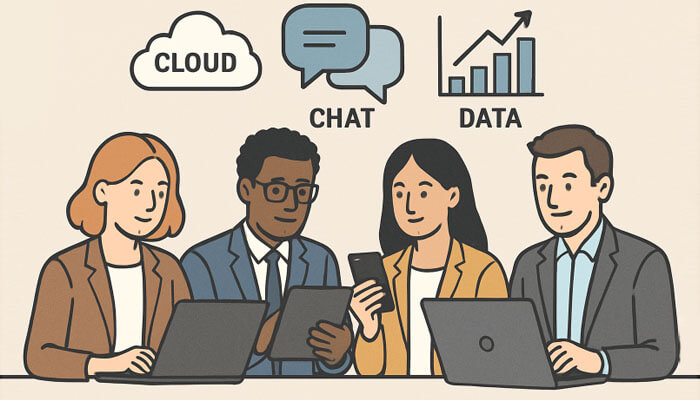
However, technical proficiency alone is no longer enough. Soft skills, including analytical thinking, clear communication, adaptability, creativity, and teamwork, remain among the most highly sought-after characteristics among employers. As automation and artificial intelligence take over more routine and repetitive tasks, these human skills form the backbone of what makes an employee truly valuable. It’s the ability to solve problems creatively, communicate with empathy and clarity, and collaborate well in diverse teams that often determines career advancement. Cultivating both robust digital capabilities and strong interpersonal skills creates a unique professional advantage. Insights from sources like Forbes emphasize the crucial need to continuously work on both sets of abilities. When professionals effectively combine technical acumen with emotional intelligence and adaptability, they become far more capable of navigating uncertainty and driving innovation in their organizations.
Leveraging Networking and Personal Branding
In a digital-first world, cultivating a robust professional network and a well-defined personal brand is more important than ever. Platforms such as LinkedIn have turned networking from a local, occasional activity into a global, 24/7 opportunity. Professionals can now connect in real time with peers, mentors, recruiters, and thought leaders worldwide. Maintaining an up-to-date profile, consistently sharing industry insights, and actively engaging in relevant online communities are powerful ways to showcase expertise and build credibility. The reach and potential of digital networking have vastly expanded traditional models, enabling even early-career professionals to form connections that would have been difficult a decade ago.
Personal branding, meanwhile, is about much more than having a polished resume or a well-designed website. It involves consistently communicating your values, skills, strengths, and ambitions to your network and the wider industry. Building a personal brand can include publishing thought leadership articles, speaking at virtual or in-person events, contributing to digital discussions, and sharing unique perspectives on industry trends. By positioning yourself as an authority and a trusted resource, you strengthen your influence and expand your opportunities. As you build genuine relationships through these efforts, you are more likely to be approached with new collaborations, career opportunities, and invitations to participate in high-impact projects, further propelling your professional growth.
Adapting to Remote and Hybrid Work Models
The accelerated and widespread shift toward remote and hybrid work structures has fundamentally redefined how and where work gets done across almost every industry. Being successful in these flexible, structured environments requires a combination of self-motivation, discipline, and openness to new technologies. Mastery of digital collaboration platforms such as Slack, Microsoft Teams, or Zoom is now a baseline skill. However, success goes further: it also means the ability to manage your time independently, communicate clearly (especially in writing), and proactively maintain connections with teammates and managers across distances and time zones.
For many professionals, the growth of remote work has meant unprecedented access to broader job markets and increased flexibility, offering the possibility for a healthier work-life balance and new career options not limited by geography. However, remote work also brings fresh challenges: greater personal accountability, the risk of isolation, and the reality that success hinges on clear, proactive communication. As organizations evolve and experiment with best practices for these new models, those who demonstrate flexibility and a willingness to learn are often rewarded with better career advancement and satisfaction. Recent reporting from Forbes highlights stories of employees who navigate hybrid work arrangements skillfully and see tangible benefits in their career trajectories. Adaptability to shifting workplace structures is now a critical component of professional resilience in a digital-first marketplace.
Conclusion
Adapting to career trends in a digital-first world is not a one-time effort but an ongoing process of learning, skill development, and self-reflection. By making continuous learning a top priority, actively cultivating both digital and soft skills, investing time in personal branding, and fully embracing new models of work, professionals can establish a strong foundation for success, no matter how the workplace changes in the coming years. Adaptation is the key to unlocking not only career resilience but also a wealth of new opportunities for growth, satisfaction, and purpose in the ever-evolving world of work. Stepping forward with an agile, curious mindset will ensure you remain future-ready, no matter what challenges or innovations lie ahead.