
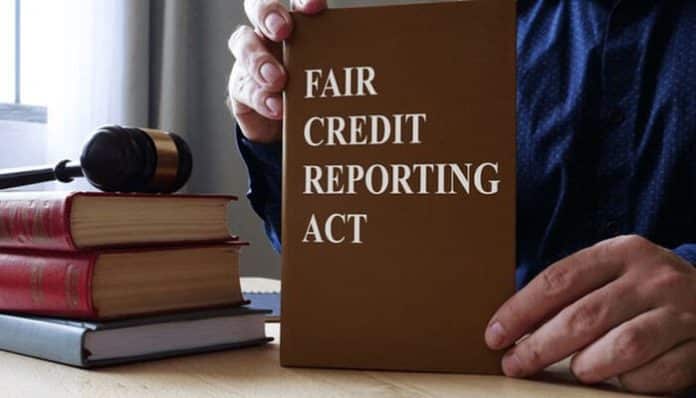

The Fair Credit Reporting Act gives you important protections when companies collect, use, or share your personal credit information. This law helps make sure your records are accurate and that you are treated fairly during credit checks. Understanding your rights can help you respond quickly if something goes wrong with your credit file.
Florida is home to a large population, active tourism, and a wide range of financial activities. With so many transactions happening every day, credit reporting mistakes can occur more often than people realize. Many individuals seek help from a Florida FCRA lawyer when they need support with errors or unfair practices in their credit reports.
What the Fair Credit Reporting Act Protects
The Fair Credit Reporting Act protects the privacy and accuracy of your credit information. It controls how credit reporting agencies collect data and how lenders use it. These rules help safeguard your financial identity.
The law also sets standards for fairness. It requires companies to follow clear steps to keep your information updated and correct.
Your Right to Accurate Information
You have the right to receive credit reports that are complete and accurate. Credit reporting agencies must investigate any errors you point out. If the information is wrong, they must fix it.
This helps prevent your credit score from dropping due to mistakes you did not cause.
Your Right to Dispute Errors
If you notice something incorrect in your credit report, you can file a dispute. This starts a review process where the reporting agency must investigate your claim. Steps often include:
- Reviewing documents, you provide
- Contacting the lender or company that reported the information
- Correcting or removing inaccurate items
A strong paper trail helps support your dispute.
Your Right to Know When Your Information Is Used
The law requires lenders, employers, and other organizations to get your permission before accessing your credit report. They must also notify you if they deny your application based on credit information.
This protects you from unexpected decisions and gives you a chance to respond.
Your Right to Privacy
Your credit information cannot be shared without a valid reason. Only authorized parties can view your report. This reduces the risk of misuse and protects your financial identity.
Your Right to Free Annual Credit Reports
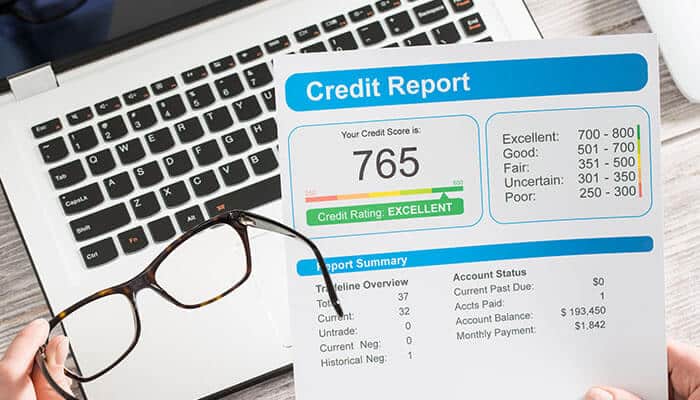
You can request a free credit report from each major credit reporting agency once a year. Reviewing these reports helps you catch errors early and watch for signs of identity theft.
Your Right to Seek Legal Help
If a company violates your rights under the Fair Credit Reporting Act, you may be able to seek compensation. Legal support is helpful when credit errors continue, when investigations are incomplete, or when your information is used unfairly.
Professional guidance can help you understand your options and take the proper steps to protect your credit.
Key Takeaways
- The Fair Credit Reporting Act protects your credit information.
- You have the right to accurate, private, and fairly used data.
- You can dispute errors and request investigations.
- Free annual credit reports help you monitor your information.
- Legal support may help when your rights are violated.