
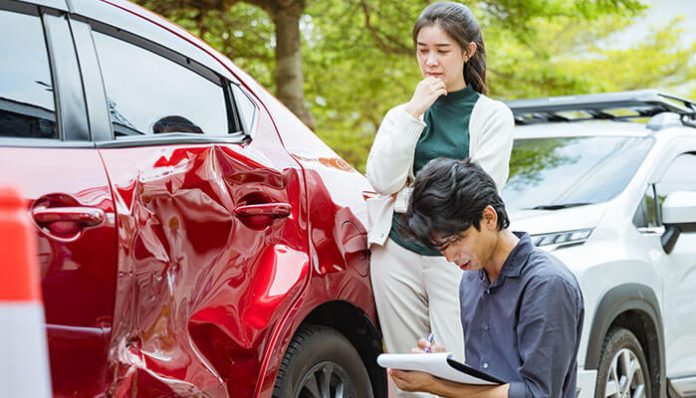

Running a business is like juggling a multitude of balls at once, and when you think you’ve got everything covered, from cash flow to ensuring your clients remain happy, there is one thing that no one ever seems to consider until it is too late to do anything about it: an employee car accidents caused by your employee.
Many business founders and owners assume that a car accident is simply between the people involved. If your business employee runs a red light while behind the wheel, it is not their personal problem, their personal insurance, or their personal risk. The sad truth is that your business becomes the “driver” when your employee is driving for work-related activities.
Knowing the legal landscape surrounding worker accident cases helps you protect your legacy. A single accident can result in significant financial exposure, legal disputes, and reputational challenges. But with the help of this resource, you’ll not only know your obligations, but you’ll also be armed with strategies to protect your business’s future.
Understanding “Vicarious Liability”
To understand why a business can be sued for an employee’s driving mistake, you must understand the legal concept of respondeat superior, or “let the master answer.” In modern legal terms, this is known as vicarious liability.
Vicarious liability means an employer can be held legally responsible for an employee’s wrongful acts, provided those acts occur within the “scope of employment.” The logic behind this legal doctrine is that because the employer benefits from the employee’s work, the employer should also bear the risks associated with that work.
If your employee is performing a task for your business, whether they are driving a branded company van or their own sedan, their actions may expose your business to liability under certain legal principles. You do not need to be in the car or even aware that the employee was driving poorly to be held liable for the damages they cause.
Common Scenarios That Trigger Business Liability
The definition of “scope of employment” can be broader than many business owners realize. It is not limited to delivery drivers or trucking companies. Liability can attach in various everyday scenarios.
The Sales Representative
Consider a sales representative who travels to meet potential clients. If they rear-end another vehicle while driving from your office to a client’s headquarters, that travel is considered part of their job duties. Your business could be liable for the injuries and property damage sustained by the other driver.
The “Quick Errand”
Administrative staff often step out to pick up lunch for a meeting, drop off mail at the post office, or buy office supplies. Even if they use their own vehicle, if the errand benefits the company, the company is on the hook for any accidents that occur along the way.
Company Vehicles vs. Personal Vehicles
Vehicle ownership matters less than the purpose of the trip. While liability is clear-cut when an employee crashes a company-owned truck, the waters get murkier with personal vehicles. However, “Non-Owned Auto Liability” is a very real risk. If an employee drives their own car for work and their personal insurance limits are exhausted by a serious accident, the plaintiff may seek recovery from your business insurance to cover the remaining damages.
Commuting Exceptions
Generally, the “Coming and Going Rule” protects employers from liability while employees are commuting to and from work. However, there are exceptions. If you require an employee to make a stop on their way home to drop off a deposit, or if they are on a massive business call while driving home, the commute may transform into work time, reintroducing liability.
The Financial Risks to Your Business
The costs associated with a vehicle accident go far beyond the deductible on an auto insurance policy. When serious injuries occur, the financial impact can threaten the viability of small and medium-sized enterprises.
Lawsuits and Settlements
Medical bills, lost wages, and other damages in serious cases can be substantial. If a court determines that your business is legally responsible, financial obligations may follow. If your insurance is inadequate, your business assets may be forfeited to pay off the debt.
Increased Insurance Premiums
After filing a claim, insurance carriers may adjust premium rates depending on the circumstances. If your business is known for causing accidents with its vehicles, you may encounter problems in the future when attempting to purchase this type of insurance, which could increase your business’s operating costs.
Reputational Damage
Your brand is one of your most valuable assets. If a branded company vehicle is involved in a serious crash, especially if it involves negligence like texting while driving or intoxication, the negative publicity can be devastating. Community trust takes years to build but can be eroded in moments.
Risk Management Strategies
You cannot control every action your employees take, but you can significantly reduce your exposure through proactive management. Protecting your business starts with clear rules and comprehensive coverage.
Implement a Clear Vehicle-Use Policy
Every business should have a written policy regarding driving. This document should explicitly state:
- Who is authorized to drive for business purposes.
- Protocols for reporting accidents immediately.
- Bans on distracted driving, including strict rules about mobile phone use.
- Requirements for maintaining valid licensure and personal insurance.
Screen Your Drivers
Before handing over the keys or authorizing an employee to drive for work, check their driving record. A Motor Vehicle Report (MVR) check should be a standard procedure during hiring for any role that involves driving. Employing a driver with a history of DUIs or reckless driving charges can be considered “negligent entrustment,” which adds another layer of liability to your business.
Review Your Insurance Coverage
Sit down with your insurance broker to review your policies. Ensure you have “Hired and Non-Owned Auto Liability” coverage. This protects the business when employees drive vehicles the business does not own (such as their personal cars or rentals) for work purposes. Do not assume your general liability policy covers auto accidents; often, it does not.
When Claims Escalate
Despite your best efforts, accidents happen. When they result in minor property damage, insurance carriers typically handle the resolution smoothly. However, when an accident results in catastrophic injury or death, the legal landscape becomes complex and adversarial.
In these high-stakes situations, the opposing party may retain legal counsel to pursue their claims. They will scrutinize your training manuals, your hiring practices, and your employees’ history. This is where understanding your legal position becomes especially important.
In high-exposure situations, businesses often seek experienced legal guidance to better understand liability, insurance obligations, and litigation procedures. Firms such as The Law Offices of Larry H. Parker are familiar with the complexities of personal injury law and how serious accident claims are evaluated. Having knowledgeable counsel can help businesses navigate disputes and better assess their legal options.
Key Takeaways for Business Owners
Ignoring the risk of auto accidents caused by your employees will not make the risk disappear. There is risk, and it is important to take steps towards protecting your business from it once you have accepted and acknowledged the “reality of vicarious liability.”
1. Liability Can Be Broad: When employees act within the scope of their employment, businesses may be held responsible under certain circumstances.
2. Policies Matter: Written policies provide a first line of defense.
3. Check Records: Don’t let high-risk drivers behind the wheel.
4. Verify Coverage: Review your policy to confirm whether it includes coverage for non-owned vehicles.
Your business is essentially the embodiment of your hard work and your livelihood. By taking all these proactive steps, you could help reduce the likelihood that a single incident significantly disrupts your business operations