

The process of tenant moving out of a rental property can feel overwhelming. You will have to pack boxes, update your address, and coordinate logistics. While doing all this work, it is easy to overlook important steps when moving out, since this can still cost you money or even damage your rental history. That’s where this guide to moving out can benefit. Read on as we explore everything that you need to know about moving out of your rental property.
Properly Notify Your Landlord of a Move Out: Timing and Best Practices
Notifying the landlord of a move-out gives them the opportunity to schedule inspections and start marketing the unit. The very first step of any move-out process is to provide proper notification, in which your lease agreement will specify how much notice you need to give before moving out. In most instances, it will be 30 to 60 days. This is why you need to take a look at the lease agreement and start writing the notice.
When it comes to rental units, timing will matter more than you think. If you give the notice too late, you could owe rent for an additional month. Some landlords even tend to charge hefty fees for insufficient notice.
You need to notify your landlord about the move-out date with a written notice. You need to send either a formal letter or an email. Make sure that it includes important information such as your move-out date and forwarding address. You need to keep a copy of your records as well. Many property management companies provide specific forms for move-out notices. Hence, you need to ask if one exists before drafting your own.
It is also important to consider sending your notice through certified mail. Or else, you will need to request a read receipt for emails. This documentation proves that you gave proper notice in case any dispute arises later. It is a small step that you have to take, but it offers a big peace of mind at the end of the day.
Don’t forget to schedule a pre-move-out inspection if offered by your landlord. This walkthrough will usually happen about a week or two before the move-out date, allowing you to have enough time to address those issues. Your landlord can use this inspection to point out all issues that may affect your deposit.
Cleaning and Preparing the Rental for Inspection
If you want to get back your full security deposit, you should deep-clean the rental. You will need to return the property in the same condition as you found it. However, it is okay for it to have normal wear and tear. Here’s how you can properly clean the rental unit before returning.
• Cleaning the kitchen and bathrooms
You can start off cleaning work with the kitchen and bathrooms. This is where you can clean all appliances. You need to remove all food from the cabinets and wipe down the shelves. However, you shouldn’t overlook the sink and disposal area. Bathrooms will require similar attention to detail as well. You should scrub tile grout, remove soap scrub from shower doors, and clean toilet bowls thoroughly.
• Cleaning the floors
Floors need to be spotless at the time of returning your rental unit. This is where you need to thoroughly vacuum carpets and pay extra attention to corners. If you have tile or hardwood floors, you need to mop until they shine. You can also seek professional help to clean the carpets.
• Cleaning the walls and windows
Walls and windows will show wear after years of living. You need to fill small nail holes and touch up paint if needed. However, there is no need to repaint the walls without permission. You should be careful to remove all personal decorations and adhesive hooks, and then you can clean both sides of the glass in the windows. Make sure to vacuum tracks where dirt collects.
Property managers who overlook the property can also help you with cleaning and getting repair work done. Choosing an experienced property manager in Atlanta is one of the smartest moves for long-term real estate success.
Handling Security Deposits and Finalizing Your Lease
As a tenant, you need to be aware of the security deposit laws in your state. It can offer significant benefits to you. Most states will require landlords to return deposits within 30 days, while some states allow up to 60 days. It is the responsibility of the landlord to provide an itemized list for all deductions, which should also include receipts and estimates for repairs.
A landlord cannot deduct normal wear and tear from your security deposit. It includes minor scuffs on walls, slightly worn carpet, and faded paint from sun exposure. Damage beyond everyday use, such as large holes in walls and broken windows, can result in deductions.
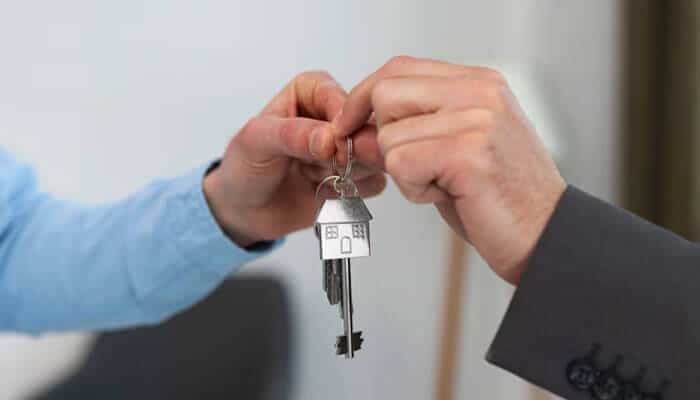
It is better if you can request your landlord to go through a final walkthrough before handing over the keys. This will help you to get a clear understanding of possible deductions. You should also keep all detailed records of move-out communications. This is where you should save text messages, emails, and copies of letters.
In case you disagree with deposit deductions, you need to respond promptly. This is where you should explain why charges are unfair. It is better if you can include supportive documentation for this as well. You need to consider your relationship with the landlord when disputing charges. Sometimes, maintaining a positive reference for future rental is worth fighting over a small deduction.
Final Words
Moving out of a rental property is more than just packing your belongings. You need to give proper notice, clean thoroughly, and understand your deposit rights. It will protect you professionally and financially. A smooth move-out process will preserve your rental history. On top of that, it will keep doors open for positive landlord references in the future.