
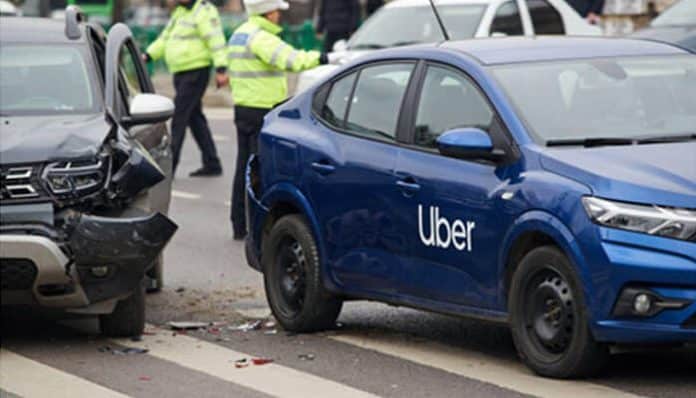

Ridesharing has become part of everyday life. Taking an Uber or Lyft is really convenient for you to take to work or run errands. In most cases, people who use these ridesharing services often use them to get home. But when an accident occurs, convenience turns a bit into discomforting confusion. Compensation in rideshare accidents becomes a major concern because ridesharing accidents tend to be complex, as multiple layers of insurance and liability may be involved.
Riverside, which is a busy city, has traffic that flows through highways, local roads, and residential areas. Incidents involving app-based drivers are occurring more often as rideshare services become ever-popular. If you suffered injuries from a Lyft or Uber accident in Riverside, California, you are likely wondering how liability and compensation work and where you stand after a crash.
Why rideshare accidents are more complicated than car accidents
Rideshare accidents differ because the driver is either working as a rideshare driver or not. Uber and Lyft drivers are independent contractors, not employees, so that affects insurance coverage and liability issues stemming from accidents.
Coverage generally depends on three situations.
• If the driver is not logged into the app, then the driver’s personal auto insurance applies.
• If a driver logs into an app but is waiting for a ride, limited coverage may apply if their personal insurance is insufficient.
• If the driver is currently transporting a passenger in a rideshare vehicle, the rideshare company’s insurance policy (a commercial policy that has higher coverage limits than a regular private passenger policy) will typically apply.
The amount of compensation available may depend on which phase the driver was in at the time.
Who may be legally responsible?
Besides the driver, the following can be liable for a rideshare accident:
• Another driver in the crash.
• The insurance provider for the rideshare company.
• A car manufacturer, if a defect caused it.
• A state or local agency, if unsafe road conditions were a cause.
It is frequently a necessary part of these filings to identify all those at fault because fault may be shared.
What compensation may be available?

Those who are involved in rideshare accidents might be eligible for compensation for:
- Medical costs, along with future treatment.
- Loss of income and reduced ability to earn.
- Pain and physical discomfort.
- Emotional distress.
- Cost to repair or replace the vehicle.
A seemingly minor injury could become serious and incur major costs in the future, so you should not dismiss these injuries.
Why timing and evidence matter
Digital evidence is essential in making rideshare accident claims. App records, GPS data, and trip logs will assist in arriving at driver status and the extent of insurance coverage. A delay in the provision of this information will make it more difficult to obtain and may weaken your claim.
Key takeaways
• Rideshare accidents involve several insurance layers.
• The driver’s app status plays a key role in determining liability for a crash.
• Multiple parties may be responsible for your accident, not just the driver.
• Compensation can cover medical expenses, lost wages, physical suffering, or property damage.
• Taking action fast helps keep vital digital proof and helps support a better case.