


Cities are changing faster than ever, and startups are a major part of that shift. What once took decades can now happen within a few years because small, focused teams collaborate with local startups are build solutions that solve real everyday problems.
From cleaner energy systems to smarter transportation networks to digital tools that help town planners make better decisions, startups are encouraging cities to think bigger and improve at a faster pace. The transformation is noticeable and genuinely exciting to watch.
This conversation is not only about technology. It is about creating places where people can live comfortably, move easily, and feel more connected to their surroundings. Startups are reshaping the cities we call home in ways that are both visible and quietly influential.
Why Startups Need to Work Closely With Town Planners
Startups and town planners often want the same results, although they approach them from different directions.
Startups focus on rapid innovation, new technology, and efficient problem-solving. Town planners in the United States and beyond concentrate on long-term livability, safety, and the needs of the community. When they collaborate, cities gain the benefits of both fresh ideas and thoughtful planning.
Aligning innovative technology with long-term planning creates solutions that last. A startup may develop a brilliant mobility tool, but it becomes far more effective when it fits into a city’s transportation strategy. The same principle applies to housing, sustainability, and the design of public spaces. When innovation supports the broader plan, communities become stronger rather than simply trendier.
We have already seen this in action. Some US cities are using startup-built data tools to redesign bus routes. Canadian towns are partnering with green tech companies to develop better bike lanes. Australian planners are collaborating with digital mapping startups to improve park layouts.
Even local experts, such as Newcastle town planners, demonstrate how collaboration with innovators can turn everyday spaces into locations that people genuinely enjoy. When planners and startups share ideas, cities stop reacting to change and begin moving forward with clarity and purpose.
Collaboration also encourages a shared understanding of community needs. When planners bring local insights and startups contribute rapid testing and iteration, ideas can be refined quickly and adapted to real conditions. This creates a development cycle that is both efficient and responsive, which is essential for growing communities.
The Rise of Urban Tech Startups
Urban tech refers to startups creating tools and services that make cities more efficient and livable. These companies address large-scale challenges such as traffic congestion, waste overflow, housing shortages, and the design of public spaces.
Waste-management startups, for example, use sensors and data to optimize collection routes and reduce environmental impact. As cities expand and resources become strained, these solutions shift from helpful to essential. Urban tech is now a core part of how modern cities grow and operate.
These startups are no longer fringe innovations. They are central to today’s story of urban development and are helping cities become smarter, more affordable, and better connected.
Data-Driven Solutions for Smarter Cities
Cities are becoming more intelligent through the rise of data-focused startups. Many of these companies use mapping and geospatial technology to highlight patterns that planners can use, such as traffic bottlenecks, shortages of green space, or the best locations for new infrastructure.
Research shows that geospatial data helps cities understand land use, transportation networks, and environmental impacts in a more visual and actionable way. This leads to faster and more accurate decision-making.
Data matters because building a livable city is about building correctly rather than building more. With accurate information, planners can direct resources effectively, predict potential issues, and design for genuine community needs.
Some cities have already used location intelligence to improve public transportation and reduce emissions. These examples show how the right insight can create healthier streets and more vibrant neighborhoods.
Sustainability Startups Transforming Urban Development
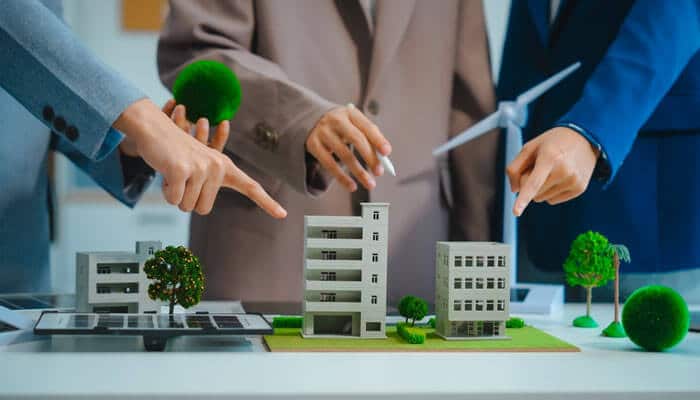
Sustainability-focused startups are quietly and steadily changing how cities are built. These innovators introduce environmentally friendly construction methods, energy-saving technologies, and green infrastructure into everyday planning.
According to the World Economic Forum, many startups are developing living walls, smart water systems, and blue-green infrastructure that support city sustainability goals.
This work matters because urban areas consume vast amounts of energy. Any startup that reduces emissions or improves efficiency creates a significant impact. Vertical farming systems and biotech air filtration are already helping cities reduce waste, improve air quality, and create greener shared spaces.
When sustainable startups collaborate with planners and local governments, urban development becomes more resilient and future-oriented rather than simply focused on construction.
Enhancing Community Engagement Through Civic Tech
Cities function best when residents have a clear voice in shaping their neighborhoods. Civic tech is designed to make that possible. Platforms such as PlaceSpeak in Canada allow residents to contribute opinions on local projects using geo-verified input.
Programs like CivTechSA in the United States take startup ideas and turn them into tools that connect citizens with city departments. These platforms gather feedback, map local concerns, and give planners a clearer view of what matters to the people they serve.
When residents participate meaningfully, planning becomes more accurate and communities feel valued rather than simply consulted. Data from civic engagement platforms shows that decisions are stronger when community voices are integrated early.
Civic tech is essential for building cities where people feel connected, informed, and invested in the results.
Cities Grow Stronger When We Build Together
When startups and town planners work together, cities become smarter, greener, and more human. Collaboration is not just a bonus. It is a foundation for meaningful progress. With shared goals, open communication, and involvement from the community, we can build cities that truly serve the people who call them home.
