

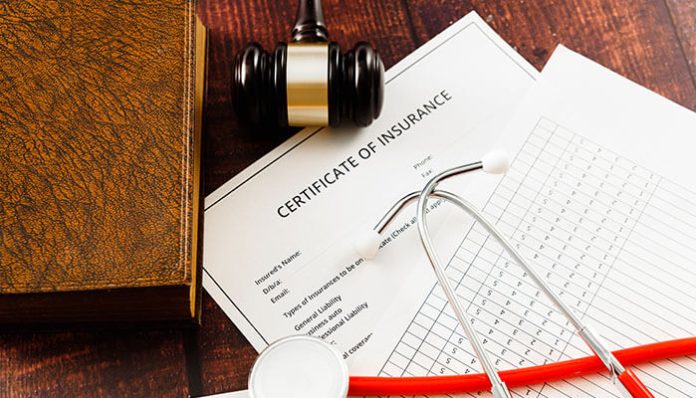

In today’s business climate, all partners and vendors should possess valid certificates of insurance (COI). A COI serves as proof of insurance, detailing what coverages are held by the entity and any additional insureds. Failure to maintain proper COI documentation can lead to substantial liability in the event of a claim. Automated tracking software for COIs has emerged as a solution to manage this often complex and time-consuming task. Continue reading to learn how automation is revolutionizing COI management.
How Automated Tracking Software Transforms COI Management
Exploring Automated Tracking Software for COI Management
Automated tracking software for COI simplifies the collection, storage, and verification of insurance documents. With these systems, businesses reduce the manual labor involved in managing COIs, making it easier to maintain compliance and keep up with renewals. By employing automation, companies can reallocate resources to more strategic tasks.
Automation guarantees that the verification process is consistent and continuous. The software can send out timely alerts and reminders when COIs are nearing expiration so that there’s ample time to request updated documentation. Furthermore, some platforms provide real-time updates from insurance providers, ensuring the most current information is available.
Using automated tracking software for COI by TrustLayer, businesses can instantly verify the accuracy of COIs against policy data. This reduces the risk of human error, which can occur when manually checking details like policy numbers, coverage limits, and dates. Thanks to automation, what was once a tedious task is now efficient and reliable.
Improving Compliance and Risk Management With COI Automation
Perhaps the most significant advantage of automated COI tracking is the way it strengthens compliance and risk management strategies. In the event of an incident, having a well-documented trail of COIs can be the difference between swift resolution and prolonged legal disputes. Automation serves as both a shield and a foundation for a robust approach to managing risk.
Automating COI also streamlines the workflow between insurers, clients, and subcontractors. With easier access to insurance certificates, these key stakeholders coordinate more efficiently, reducing the likelihood of project delays due to COI-related issues. This seamless interaction fosters trust and promotes proactive risk management.
Automated systems can be integrated with other enterprise software, such as enterprise resource planning (ERP) and customer relationship management (CRM), further consolidating risk management efforts. By making COI tracking part of a larger business ecosystem, companies reinforce operational resilience and better adapt to regulatory changes.
The Role of Technology in Streamlining COI Verification Processes
Technology has a transformative effect on COI verification, significantly reducing the effort required to ensure that insurance requirements are met. By automating the verification process, companies no longer rely on potentially error-prone manual checks and can instead trust in systematic, consistent digital verification.
Efficient data processing capabilities of technological solutions allow for swift comparison between provided COIs and required coverage standards. Any discrepancies are quickly identified, enabling faster resolution. This rapid detection is crucial in environments where any oversight can lead to financial or reputational damage.
Evaluating the Impact of Automated COI Tracking on Stakeholder Confidence and Company Reputation
A reliable COI tracking system directly influences stakeholder confidence. When clients, investors, and partners see a company’s commitment to due diligence in risk management, it strengthens their trust. This trust is critical in industries where the financial and legal implications of insufficient insurance coverage can be severe.
Plus, a company’s reputation for meticulous compliance management can serve as a competitive edge. It assures potential clients that the company prioritizes accountability and precision, which can be deciding factors during contract negotiations.
Within the company, automated COI management can boost employee morale and reduce stress. Staff members freed from the drudgery of manual COI tracking can focus on tasks that are more strategic and fulfilling. Such operational efficiencies often translate to better service delivery and increased job satisfaction, further enhancing the company’s reputation among its workforce.
Altogether, the adoption of automated tracking software for COIs represents a proactive shift in risk management, one that modernizes operations and solidifies stakeholder trust. Overall, the strategic implementation of such technology can lead to improved compliance, risk mitigation, and a fortified business reputation.
