

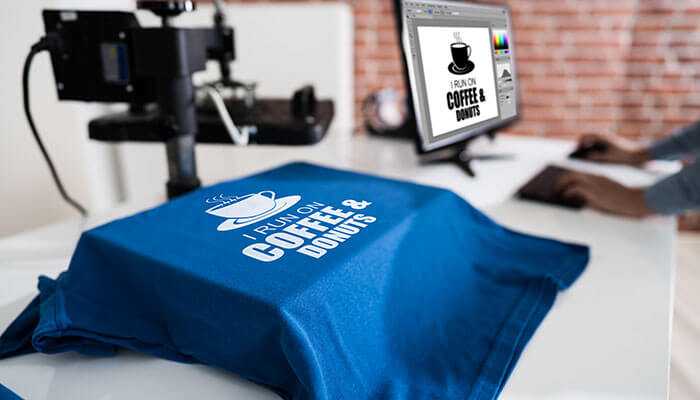

The t-shirt printing industry is constantly evolving, with new trends emerging each year. As 2025 approaches, custom t-shirt printing continues to gain popularity, driven by an increase in demand for personalized and unique designs. Whether you’re running a small business or scaling up your operations, staying on top of the latest trends will help you stay competitive and meet customer expectations. In this article, we’ll explore the top trends in t-shirt printing for 2025. From new printing technologies like the Prestige R2 DTF printer to the growing demand for sustainability and customization, we’ll look at the shifts that are shaping the future of t-shirt printing.
Top Trends in T-Shirt Printing to Watch in 2025
1. Direct-to-Film (DTF) Printing: The Future of Customization
One of the biggest trends for 2025 is the rise of direct-to-film (DTF) printing. This relatively new method is quickly gaining traction because of its versatility, vibrant color output, and ability to print on a variety of fabrics. DTF printing involves printing the design onto a special film and then transferring it onto the garment, which allows for more flexibility than traditional screen printing or even direct-to-garment (DTG) printing.
What makes DTF printing stand out is its ability to produce highly detailed prints with bright colors, even on dark fabrics. Additionally, DTF printers like the Prestige R2 DTF printer are known for their ability to handle complex designs and smaller orders more efficiently. With its growing popularity, DTF is expected to be a game-changer for small to medium-sized print shops, as well as large-scale operations.
2. Sustainable and Eco-Friendly Materials Driving Trends in T-Shirt Printing
As consumers become more environmentally conscious, the demand for sustainable and eco-friendly t-shirt options is expected to skyrocket in 2025. The apparel industry has a significant environmental impact, and many customers are choosing brands that prioritize sustainability.
Eco-friendly materials such as organic cotton, recycled polyester, and bamboo are now at the forefront of t-shirt production. These fabrics use fewer chemicals in the manufacturing process and consume less water than traditional cotton. Additionally, sustainable printing methods like water-based inks are gaining popularity, as they have a smaller environmental footprint than plastisol inks.
Eco-consciousness is not just a passing trend—it’s a shift in consumer behavior. Brands that prioritize sustainability will likely see increased customer loyalty and a competitive edge in the marketplace.
3. Customization and Personalization
Customization has always been a key selling point for t-shirt printing, but in 2025, it’s taking on new forms. Consumers now want even more control over their designs, whether it’s for individual use or for special events. Customization options go beyond just choosing a design—they include personalized text, colors, and even custom sizes.
Online platforms that allow users to design their t-shirts are becoming more user-friendly and accessible. These platforms use advanced technology to give customers the freedom to create truly one-of-a-kind pieces. Additionally, businesses are increasingly offering custom printing services for events like weddings, reunions, and corporate branding, where personalized designs play a crucial role.
The demand for unique, personalized t-shirts is only expected to increase in 2025. Customization not only enhances the customer experience but also opens up new opportunities for businesses to cater to niche markets.
4. Minimalist and Clean Designs in Modern Trends in T-Shirt Printing
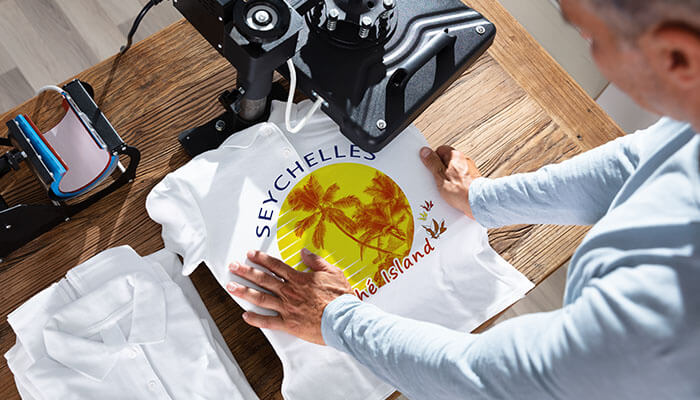
While bold and complex designs have their place, there’s a noticeable shift toward minimalist t-shirt designs in 2025. Consumers are increasingly drawn to clean, simple graphics that can be worn for various occasions. This trend is being driven by the rise of “quiet luxury,” a fashion movement that favors understated elegance over flashy logos or oversized graphics.
Minimalist t-shirt designs often feature simple typography, geometric shapes, or single-color graphics. This style appeals to a wide range of consumers, from fashion-conscious individuals to those looking for something subtle and timeless. It’s also more versatile, making it easier to match with different outfits and wear in various settings.
For t-shirt businesses, focusing on minimalist designs can help you appeal to a broader audience and offer products that remain in style year after year.
5. Augmented Reality (AR) Integration in T-Shirt Designs
Augmented Reality (AR) is one of the most exciting technological advancements to hit the fashion industry, and it’s making its way into the t-shirt printing world. AR offers an interactive and immersive experience for customers, allowing them to visualize designs in 3D before making a purchase.
In 2025, t-shirt brands and print shops are expected to integrate AR into their design processes. Customers will be able to scan a printed design with their smartphones to reveal hidden elements, animations, or other interactive features. This could lead to more engaging shopping experiences and even new types of personalized designs.
This integration of AR not only enhances the customer experience but also opens up new avenues for marketing and brand storytelling. As AR technology becomes more mainstream, expect it to play a major role in the future of t-shirt printing.
6. Vintage and Retro Styles Defining Trends in T-Shirt Printing
Nostalgia is a powerful force in the fashion world, and it shows no signs of fading in 2025. Retro t-shirt designs that reference past decades—particularly the 70s, 80s, and 90s—continue to be popular. Vintage logos, band graphics, and old-school typography are making a comeback, resonating with both older generations who grew up with these styles and younger generations who are discovering them for the first time.
What makes retro t-shirt designs appealing is their timelessness. These styles are often associated with a sense of rebellion, individuality, and cultural identity. Whether it’s a classic rock band logo or a vintage sports graphic, retro designs evoke a sense of nostalgia that people love.
For t-shirt printers, incorporating retro designs into their offerings is an excellent way to tap into the cultural zeitgeist and attract a broad range of customers.
7. All-Over Prints and Full-Coverage Designs
All-over prints are taking t-shirt design to a new level. This method allows for graphics that cover the entire shirt, from collar to hem, providing a unique, eye-catching look. Whether it’s a vibrant landscape, an intricate pattern, or a custom illustration, all-over prints offer a bold alternative to traditional designs.
With advancements in printing technology like sublimation printing, it’s easier than ever to create full-coverage designs that won’t fade or crack over time. All-over prints have become particularly popular among fashion-forward consumers who want something different and attention-grabbing.
For print shops, offering all-over printing as an option can help differentiate your business and attract customers looking for something truly unique.
Conclusion: Embracing Future Trends in T-Shirt Printing
The trends in t-shirt printing industry are evolving rapidly, with new trends shaping the way businesses operate and consumers shop. From the rise of DTF printing to the growing demand for sustainable and personalized designs, there’s no shortage of exciting changes on the horizon for 2025.
By staying on top of these trends, t-shirt printers can cater to changing customer preferences, embrace new technologies, and keep their businesses competitive in an ever-changing market. Whether you’re introducing direct-to-film printing for vibrant, detailed designs or offering minimalist styles for a broader audience, embracing these trends will help you stay ahead of the curve and succeed in the fast-paced world of t-shirt printing.
