
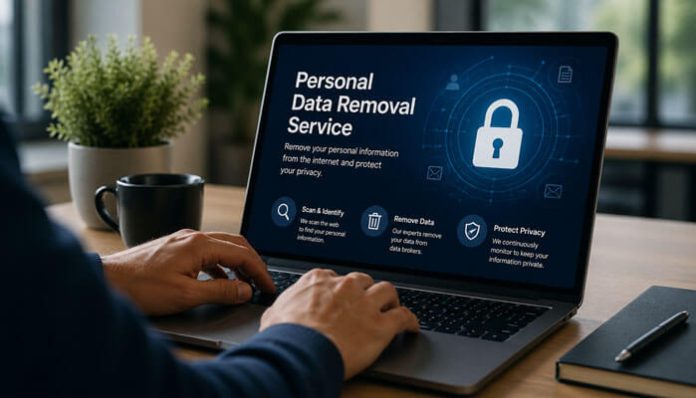

Every time you sign up for a website, make a purchase online, or even just browse the internet, you leave behind pieces of personal information that a Personal Data Removal Service can help identify and remove. Over time, this data can spread across dozens, sometimes hundreds, of websites, including data broker platforms that collect and sell your details.
For many people, that growing digital footprint starts to feel uncomfortable. That’s why personal data removal services have become more popular. These services aim to locate your personal information online and request its removal from various sources.
But not all services work the same way. Some offer deep, ongoing protection, while others provide only basic or limited results. Before you choose one, it’s important to ask a few key questions. These questions will help you understand what you’re paying and whether the service actually meets your needs.
1. What Exactly Will They Remove?
A common assumption is that all data removal services do the same thing. In reality, the scope of what they remove can vary quite a bit.
Some providers focus only on data broker sites, which are the main sources of publicly available personal information like phone numbers and addresses. Others go further by helping remove search engine results, unused accounts, or additional online listings or databases tied to your name.
What matters here is clarity. You want to know exactly what’s included so you’re not disappointed later. If your goal is to reduce your visibility on people-search sites, a basic service might work. But if you’re looking for a more complete cleanup of your online presence, you’ll need a service with broader coverage.
2. How Do They Discover Your Data Online?
Before anything can be removed, it first has to be found. This step is more important than it might seem.
Most services use automated tools to scan the web for your personal information. These tools are fast and can scan many websites at once. However, they’re not always perfect. Some services improve accuracy by adding manual checks, which help catch details that automated systems might miss.
It’s also worth asking whether the service performs regular scans or just a one-time search. Your data can reappear over time, especially on data broker sites. A service that continues to monitor your information will provide better long-term protection than one that stops after the initial cleanup.
3. How Do They Handle the Removal Process?

Once your information is located, the next step is getting it removed, and this is where services tend to differ the most.
Some companies rely on automated requests sent to websites. While this can work in simple cases, it may not be enough for more stubborn platforms. Other services take a more hands-on approach, following up on requests and dealing with more complicated removal procedures.
It’s also important to understand that not everything can be deleted. Certain types of information, especially public records, may remain accessible due to legal reasons. A good service will be upfront about this and explain what’s realistic. Understanding how the process works also helps you set realistic expectations and avoid frustration later on.
4. Will You Be Able to See the Results?
When you’re trusting a company with your privacy, you should be able to see what they’re actually doing.
A reliable data removal service will keep you informed throughout the process. This might include updates on where your data was found, which removal requests have been submitted, and what has already been successfully taken down.
Some services provide a simple dashboard where you can track progress in one place. Others may send regular reports. Either way, visibility matters – you shouldn’t feel left in the dark.
If a service is vague about its results or doesn’t provide updates, that’s something to think twice about.
5. How Much Does It Cost, and What’s Included?
Cost is always a factor, but it helps to look beyond the price tag and focus on what you’re actually getting.
Some services offer monthly subscriptions, while others provide yearly plans or one-time cleanups. The difference often comes down to whether ongoing monitoring is included. A one-time service may remove your data initially, but it won’t help if your information shows up again later.
You should also consider what features are part of the package. Things like continuous scanning, detailed reporting, and customer support can make a big difference in how effective the service is.
In many cases, paying a bit more for a comprehensive solution can be more worthwhile than choosing the cheapest option.
6. How Do They Handle and Protect Your Data?
This question is crucial. To remove your data from other places, the service itself needs access to your personal information. That means you need to trust them.
A good provider will have clear policies explaining how your data is stored, used, and protected. They should use secure systems, such as encryption, to keep your information safe. Just as importantly, they should not sell or share your data with third parties.
You should also find out what happens if you cancel the service. Will your data be deleted from their system, or will they keep it? A trustworthy company will give you clear answers. Remember, the goal is to reduce your exposure and not to move your data from one company to another.
Why These Questions Are Important
Choosing a personal data removal service isn’t just about convenience but about protecting yourself, too. Your personal information can be used in ways you might not expect, from targeted advertising to scams and identity theft.
By asking these six questions, you gain a better understanding of how a service works and whether it’s right for you. You also avoid relying on marketing claims and instead focus on real, practical details.
Taking a little extra time to evaluate your options can save you from disappointment and help you make a more confident decision.
Simple Ways to Protect Your Data Yourself
Even with a good data removal service, there are still steps you can take to protect your information online. Be careful about what you share, especially on public platforms. Review your privacy settings regularly and remove any accounts you no longer use. Using strong passwords and enabling extra security features can also go a long way in keeping your data safe.
These small habits, combined with a reliable digital footprint removal service like Privacy Bee, can significantly reduce your online exposure.
What This Means For You
Your digital footprint is constantly growing, often without you even realizing it. Personal data removal services can help you regain some control, but choosing the right one makes a difference.
By asking the right questions about what they remove, how they find it, how the process works, how transparent they are, what it costs, and how they protect your data, you can make a smart and informed choice.
In the end, you’re not just protecting your privacy. You’re also reducing your exposure to bad actors and taking an active role in controlling how your personal information is used online.