
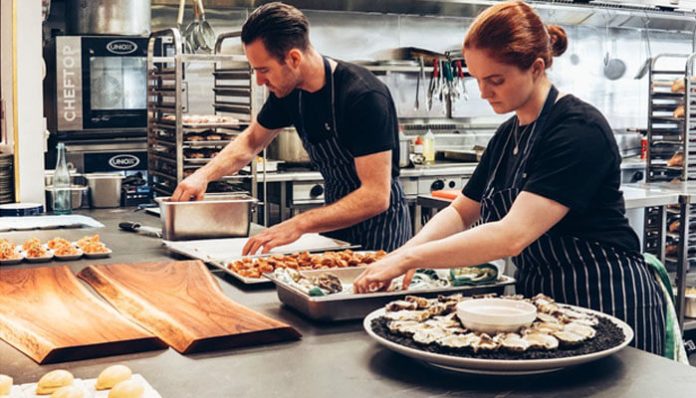

Ever feel like your kitchen is working hard but not actually moving faster? That tension usually shows up in the first few months of launching a food brand. Orders grow, prep lists stretch. And suddenly your team is bumping into each other during peak hours.
A smooth workflow is not a luxury for new brands. It is survival. When your kitchen runs clean and tight, tickets move quicker. Food looks consistent, and your margins stop leaking from small daily mistakes.
Why New Food Brands Outgrow Their First Kitchen Setup
Most new food brands start lean. You buy the basics, rent a small space, and focus on the menu.
Then reality hits. Prep spills into service, storage feels cramped, and your staff wastes time searching for lids, labels, or the right pan size.
Growth exposes friction. The good news is you do not need a full remodel to fix it. A few focused upgrades can change how your kitchen feels and performs within days.
1. Standardize With Gastronorm Pans
If your shelves are packed with mismatched containers, your workflow is already slower than it needs to be. Standard sizing changes everything.
Gastronorm pans stack cleanly, slide into rails, and fit prep tables, hot wells, and refrigerators without awkward gaps. Investing in durable, interchangeable restaurant-grade food pans makes it easier to swap from prep to service without repacking ingredients.
When every pan shares the same footprint, you gain speed in small moments. Line cooks grab, refill, and replace without second guessing sizes. Storage becomes predictable, and ordering replacements gets simpler because you are not juggling random shapes.
2. Use QR Coded Prep Labels Synced To Inventory
Paper labels fade, peel, and get ignored. QR coded prep labels tied to your inventory system give you live data on what is actually in your cooler.
According to restaurant technology market research, 65 percent of restaurants are adopting cloud based POS systems, with many reporting significant operational efficiency gains from digital tools. That shift matters to you because tighter tracking reduces food waste and last minute stockouts.
Imagine scanning a container and seeing prep date, shelf life, and current quantity in seconds. Your team spends less time counting and more time cooking. You make smarter purchasing decisions each week.
3. Set Station Based Mise En Place with Pan Rails
A chaotic line slows even the best cooks. Station based mise en place gives every team member a defined zone with clear responsibilities.
Pan rails mounted above or beside prep surfaces keep ingredients within reach but off the main workspace. With standardized pans, your cold station, grill, and expo can mirror each other in layout, reducing confusion when staff rotate shifts.
This layout also makes training easier. New hires learn one station at a time, instead of navigating a cluttered free for all.
4. Streamline Cook Chill with Heat Safe Inserts
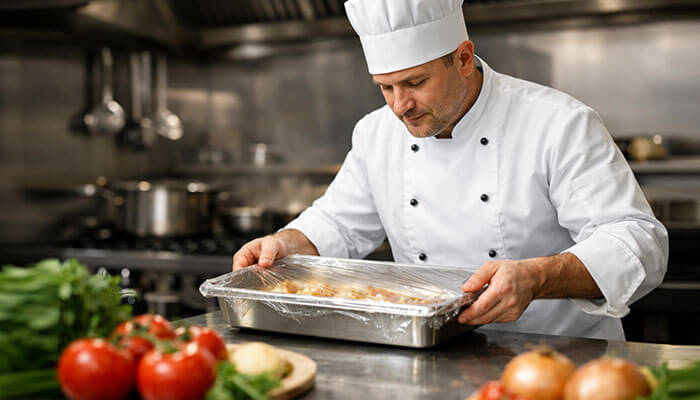
Cook chill systems are not just for large commissaries anymore. They help new brands prep in batches without sacrificing quality.
Heat safe inserts let you move food from oven to blast chiller to cold storage in the same container. That cuts down on transfers, spills, and contamination risks.
Here is where this upgrade pays off fast:
- Fewer container swaps during high volume prep
- Safer cooling processes that meet food safety standards
- Faster reheat times during service
- Better portion control for catering or delivery
As takeout continues to dominate, systems that protect texture and temperature become essential. A recent National Restaurant Association report found that roughly 75 percent of restaurant traffic now involves takeout.
For a new brand, that means packaging and holding methods directly impact reviews and repeat orders.
5. Run a Daily 5S Reset
You can buy the best equipment in the world and still run a messy kitchen. That is where a daily 5S reset comes in.
This method focuses on sorting, setting in order, shining, standardizing, and sustaining. In practice, it means every shift ends with a short, structured cleanup and reorganization.
Assign Clear Ownership
Each station lead checks their own area. They confirm tools are returned, pans are stacked correctly, and labels are updated before clocking out.
Ownership prevents the classic “someone else will handle it” problem that drags into the next shift.
Use Visual Cues
Simple tape outlines, labeled shelves, and color coded containers reduce decision fatigue. When something is out of place, it is obvious.
Over time, this discipline builds muscle memory. Your team spends less time thinking about setup and more time executing orders.
Other Upgrades That Improve Service and Attract Customers
Workflow is not only about speed. It also shapes how customers experience your brand.
Open kitchen layouts, clearly marked pickup shelves, and visible sanitation practices build trust. Small details like organized garnish trays or neatly stacked pans signal professionalism before a guest even tastes the food.
Also, technology is big in hospitality, so use it to minimize inventory headaches, for instance.
To reduce stress for staff and create a smoother handoff for third party drivers, you might also review:
- Lighting
- Noise control
- Delivery staging areas
Build a Kitchen That Grows With You
Your first kitchen setup does not have to be your final one. Small workflow upgrades can shift your entire operation. As your brand evolves, keep refining the systems behind the scenes.
If you are ready to upgrade your equipment, explore reliable options from restaurantsupply.com keep your kitchen one step ahead.
Or browse related startup insights on our blog.