
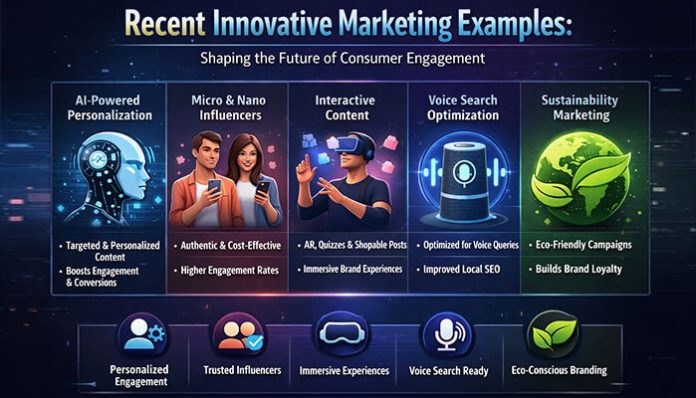

As businesses adapt to the evolving landscape, recent innovative marketing examples are becoming more tech-driven, customer-centric, and creativity-driven. Marketers will continue to push the boundaries of creativity and technology to capture consumer attention in 2026.
One of the key trends to emerge is the use of cutting-edge digital marketing strategies, with a focus on personalization, AI-driven campaigns, and immersive experiences. These marketing examples not only drive engagement but also ensure that businesses stay ahead in a highly competitive market.
Let’s explore some recent innovative marketing examples that are setting the stage for 2026:
Innovative Marketing Strategies for 2026: Shaping the Future of Consumer Engagement
1. AI-Powered Personalization: Enhancing Customer Experience
AI has become an integral part of modern marketing strategies. Brands are leveraging artificial intelligence to deliver hyper-targeted, personalized content to their audiences. By analyzing user behavior, AI can suggest products, services, or content that aligns with individual preferences. For instance, companies like Amazon and Netflix use AI algorithms to create personalized recommendations based on user history. This technology helps businesses build deeper connections with customers and increases conversion rates, making it a valuable tool for 2026.
Key Benefits of AI in Marketing:
- Improved customer engagement
- Enhanced conversion rates
- Cost efficiency through automation
According to a recent HubSpot report (2025), AI-powered personalization can increase customer engagement by up to 30%, showcasing its growing importance in digital marketing strategies.
Why AI-Driven Personalization Matters for 2026:
- Increased consumer expectations for personalized content
- Enhanced customer satisfaction leading to higher brand loyalty
- Improved targeting of ads and promotions based on real-time data
2. Influencer Marketing Evolution: Micro and Nano Influencers Take the Lead
In 2026, influencer marketing will evolve beyond the mega-celebrities to micro and nano influencers who boast smaller, but highly engaged, audiences. These influencers tend to have stronger personal relationships with their followers, resulting in more authentic, trustworthy, and effective campaigns. Brands are shifting their focus toward these influencers to build genuine connections with niche audiences and enhance brand credibility.
Why Micro and Nano Influencers Are Key for 2026:
- Higher engagement rates: Micro-influencers can have engagement rates 60% higher than their larger counterparts.
- Increased brand trust: Their closer, more genuine connections with audiences foster trust.
- Cost-effective: Smaller influencers tend to be more affordable while still providing a solid ROI.
What Makes Micro and Nano Influencers Effective?
- Smaller but highly engaged communities
- More personal and authentic communication with followers
- Higher levels of trust, leading to stronger brand advocacy
3. Interactive Content: The Power of Immersive Experiences
Consumers in 2026 expect more than just static content—they want to interact with brands. Whether it’s through AR/VR experiences, interactive quizzes, or shoppable videos, businesses are integrating interactive content into their marketing strategies. For example, brands like IKEA and Gucci have embraced AR technology to let consumers visualize how products fit into their lives before purchasing. This shift to interactive content marketing increases customer interaction and strengthens brand recall.
Examples of Interactive Content Strategies:
- Augmented Reality (AR) Experiences: Letting users try out products virtually before purchase.
- Shoppable Social Media Posts: Enabling users to purchase directly from posts or stories.
- Interactive Surveys and Polls: Collecting real-time user feedback and encouraging participation.
“Interactive content is 2x more effective than static content in engaging customers” — Content Marketing Institute (2025). This highlights the increasing importance of interactive content for 2026 and beyond.
4. Voice Search Optimization: Embracing the Future of SEO
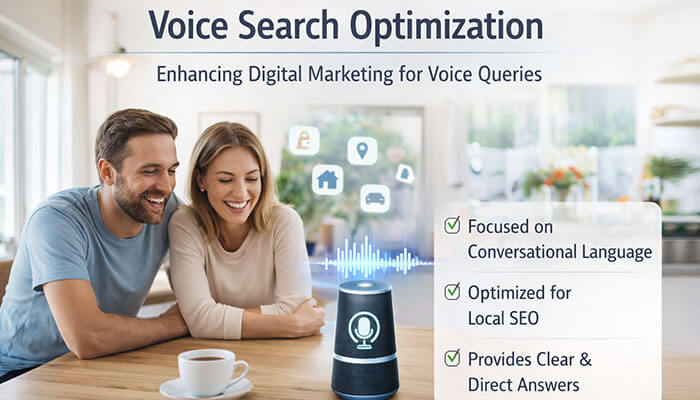
With the rise of voice assistants like Siri, Alexa, and Google Assistant, voice search is rapidly becoming an essential part of digital marketing. As consumers use voice commands to search for products and services, brands need to optimize their content for voice queries. This involves focusing on natural language, answering direct questions, and optimizing for local search to make their content more discoverable through voice assistants.
Why Voice Search Optimization Is Crucial for 2026:
- Increasing reliance on voice assistants: Over 55% of households are expected to own a smart speaker by 2026.
- Higher visibility in voice-based search results: Optimizing for voice queries boosts your visibility.
- Local search optimization: Voice searches are often local, so optimizing for local SEO is crucial.
Key Voice Search Optimization Tips:
- Focus on conversational language and question-based queries.
- Optimize for local SEO to appear in location-based voice searches.
- Enhance your content to provide direct answers to common voice search questions.
Why Voice Search Matters:
- Growing adoption of voice search technologies
- Stronger consumer demand for hands-free, conversational search experiences
5. Sustainability Marketing: Consumer Demand for Eco-Friendly Brands
Sustainability has become a key driver for consumers in 2026. As environmental concerns rise, businesses are focusing on sustainability in their marketing campaigns. From using eco-friendly materials to promoting ethical business practices, brands that prioritize sustainability not only appeal to eco-conscious consumers but also build long-term brand loyalty. Brands like Patagonia and Tesla are at the forefront of sustainability marketing, creating campaigns that promote their environmental initiatives.
Sustainability-Focused Strategies Include:
- Eco-friendly product offerings
- Transparent supply chains
- Carbon offset programs
“66% of consumers are willing to pay more for sustainable products,” according to a 2025 survey by Nielsen. This highlights the growing importance of sustainability in marketing strategies.
Comparison of Innovative Marketing Strategies for 2026
| Strategy | Key Features | Benefits | Why It Matters for 2026 |
|---|---|---|---|
| AI-Powered Personalization | Uses AI for personalized content based on behavior. | Boosts engagement & conversions. | Essential for staying competitive in a personalized world. |
| Micro and Nano Influencers | Smaller, highly engaged audiences. | More authentic & cost-effective campaigns. | Builds trust and credibility with niche audiences. |
| Interactive Content | AR/VR, shoppable videos, quizzes. | Increases user interaction & brand recall. | Consumers demand immersive brand experiences. |
| Voice Search Optimization | Optimizes content for voice queries. | Better visibility & local SEO. | Voice search is growing and requires optimization. |
| Sustainability Marketing | Promotes eco-friendly products & practices. | Builds loyalty & attracts eco-conscious consumers. | Aligns with rising demand for sustainable brands. |
Key Takeaways for 2026 Marketing Strategies:
- AI-powered personalization will continue to increase customer engagement by offering more targeted experiences.
- Micro and nano influencers will deliver higher engagement and more authentic connections with consumers.
- Interactive content, such as AR and shoppable posts, will drive deeper customer interactions and brand recall.
- Voice search optimization will be crucial to stay discoverable in a voice-first world.
- Sustainability marketing will be a major factor in consumer loyalty and brand credibility.
Conclusion
The marketing world is evolving rapidly, and 2026 will bring even more innovative approaches to the forefront. From AI-powered personalization to the rise of sustainable marketing practices, businesses will need to adapt to these new strategies to stay competitive.
By embracing these innovative marketing examples, brands can boost their visibility, engage customers more effectively, and drive greater success. As we look ahead to 2026, these strategies are not just trends—they are the future of marketing.
Recent Innovative Marketing Examples FAQs
Q1. What are some examples of AI-powered marketing?
AI-powered marketing includes personalized content, dynamic pricing, and customer segmentation. Brands like Amazon and Netflix use AI to enhance customer experiences.
Q2. How do micro and nano influencers differ from mega influencers?
Micro and nano influencers have smaller, highly engaged audiences, leading to more authentic, cost-effective campaigns.
Q3. Why is voice search optimization important for 2026?
Voice search optimization is crucial as more consumers use voice assistants. It helps businesses remain discoverable and improve local SEO.