
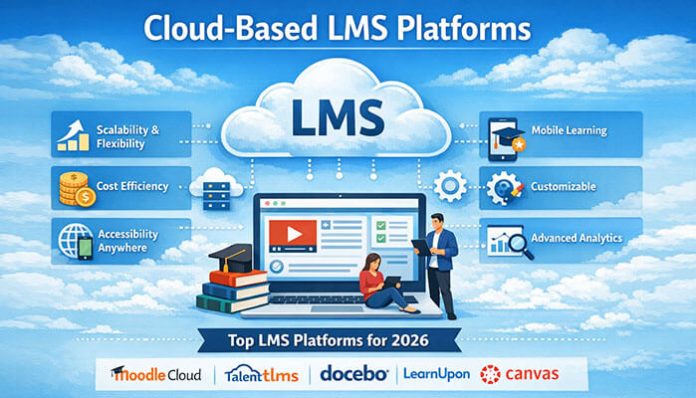

In today’s digital age, organizations and educational institutions are rapidly shifting to cloud-based LMS platforms to enhance learning experiences and streamline training processes. These platforms offer a scalable, flexible, and cost-effective solution for eLearning. With 2026 just around the corner, it’s essential to choose the right cloud-based Learning Management System (LMS) to ensure optimal outcomes. In this article, we’ll explore the best cloud-based LMS platforms for 2026, highlighting key features, benefits, and the latest trends to watch.
What Are Cloud-Based LMS Platforms?
A cloud-based LMS platform is a learning management system hosted on cloud servers, providing users with access to learning materials from any device with an internet connection. Unlike traditional on-premise systems, cloud-based platforms offer greater flexibility, scalability, and ease of maintenance, making them ideal for organizations looking to support remote learning or workforce development. These systems are particularly beneficial for both eLearning platforms and corporate training LMS, as they facilitate seamless learning across different devices and locations.
Cloud-based LMS platforms are essential for organizations that want to deliver personalized learning experiences, monitor learner progress, and scale their training efforts globally.
Why Cloud-Based LMS Platforms Are the Future of eLearning
Cloud-based LMS platforms are becoming the go-to solution for educational institutions and corporate enterprises alike. Here’s why:
Scalability and Flexibility
Cloud-based LMS solutions can easily scale to accommodate a growing number of users without compromising performance. Whether you have 10 or 10,000 learners, the system can grow with your needs. This scalability makes cloud-based learning solutions an ideal choice for businesses and institutions looking to expand their reach.
Cost Efficiency
By hosting the LMS in the cloud, organizations can save on hardware, maintenance, and IT staff, reducing upfront costs. This cost-efficiency is one of the primary reasons why companies are adopting cloud-based LMS.
Accessibility and Convenience
Learners can access courses, training modules, and resources from anywhere, making it easier for remote teams or international learners to engage with cloud-based training software. This flexibility is also a key feature for mobile learning LMS.
Automatic Updates and Maintenance
Cloud LMS platforms ensure regular updates and security patches are applied automatically, ensuring the system stays up-to-date without manual intervention. This reduces administrative burden and enhances the security of cloud-based LMS platforms.
Top Features of Cloud-Based LMS Platforms for 2026
When choosing the best cloud-based LMS platform for your needs, these are the key features to consider:
1. Mobile Compatibility
Mobile learning is a growing trend. In 2026, cloud-based LMS platforms will increasingly focus on mobile-first designs, allowing learners to access materials on their smartphones and tablets for learning on the go. This is crucial for companies seeking a mobile learning LMS solution that allows remote teams to stay engaged.
2. Customization and Branding
The ability to tailor the LMS to match your organization’s branding and needs is crucial. Many top cloud-based platforms offer customization options, from UI design to custom learning paths. For businesses or institutions that require personalized learning experiences, this is a vital feature of cloud-based learning solutions.
3. Advanced Reporting and Analytics
Analytics tools allow administrators to track learner progress, assess engagement, and measure the effectiveness of training programs. Cloud-based LMS platforms offer robust reporting features to optimize learning outcomes, helping organizations maximize their corporate training LMS effectiveness.
4. Integration with Other Tools
A good cloud-based LMS should integrate seamlessly with other software such as CRM systems, HR platforms, or video conferencing tools like Zoom. These integrations ensure a smooth workflow for learners and administrators, enhancing the overall user experience in cloud-based training software.
What Are the Best Cloud-Based LMS Platforms for 2026?
Here’s a roundup of the best cloud-based LMS platforms for 2026, offering robust features, scalability, and ease of use.
1. Moodle Cloud
Moodle Cloud is an open-source platform that is flexible and highly customizable. It is ideal for educational institutions and small businesses looking for a low-cost LMS solution. With its large selection of plugins, users can tailor the platform to their specific needs. It’s a top choice for institutions that want an adaptable cloud-based LMS.
Key Features:
- Cloud-hosted solution, no server setup required
- Flexible course design with drag-and-drop functionality
- High customizability with themes, plugins, and extensions
- Mobile-friendly design with the Moodle Mobile app
- Advanced quizzes and assessments with grading tools
- Gamification features, including badges and learner incentives
- Multi-language support for global user bases
- SCORM and Tin Can (xAPI) compliance for interactive content
Best For: Educational institutions and small businesses
2. TalentLMS
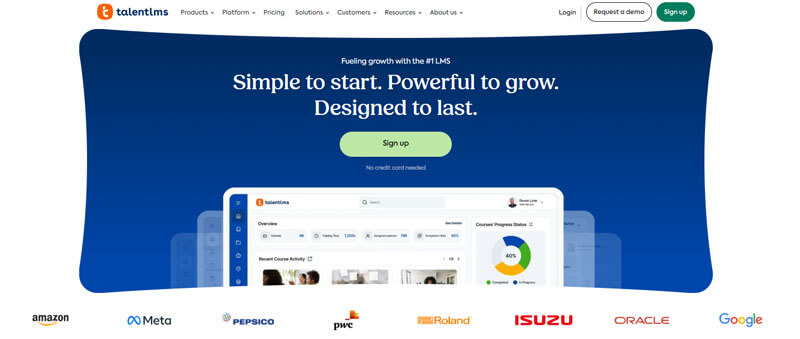
TalentLMS offers an intuitive cloud-based LMS solution designed for businesses that need scalable training tools. It supports a wide range of content formats and includes features like gamification, which enhances learner engagement.
Key Features:
- Intuitive user interface and easy setup
- Supports multiple content formats (video, SCORM, PPT, Tin Can)
- Gamification with points, badges, and leaderboards
- Blended learning options for online and instructor-led training
- Automated notifications and progress alerts
- Assessment and certification tools with auto-grading
- Multi-tenant feature for creating department-specific sub-portals
- Integrations with tools like Zapier, Slack, and CRM systems
Best For: Corporate training and enterprise businesses
3. Docebo
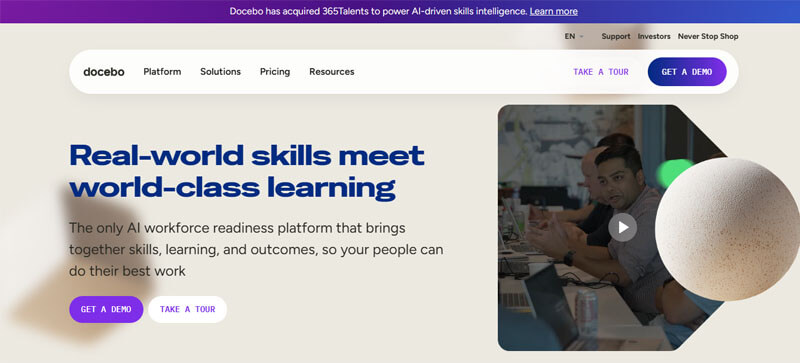
Docebo is a feature-rich platform offering cloud-based learning management with a focus on AI-powered content delivery. It’s designed to support large organizations that require a sophisticated learning ecosystem.
Key Features:
- AI-powered learning with smart recommendations
- Social and experiential learning through user feeds and forums
- Fully mobile learning experience with Android & iOS apps
- Custom workflows for automated onboarding and training
- Comprehensive analytics and insights into learner performance
- Multi-brand portals for clients, customers, and partners
- eCommerce tools for selling courses online
- Robust security features, including SSO and GDPR compliance
Best For: Large enterprises and multinational companies
4. LearnUpon
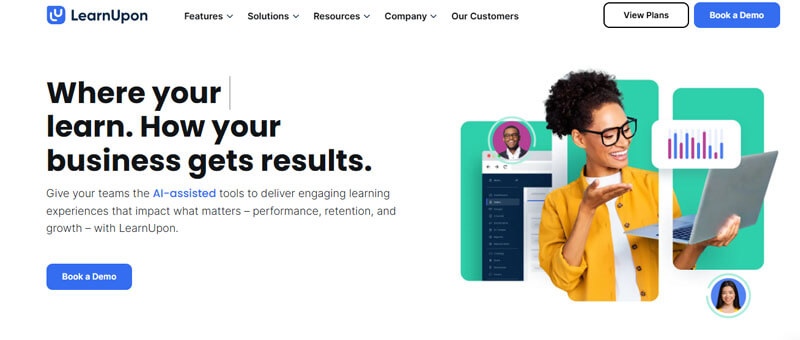
LearnUpon is a highly rated cloud-based LMS platform that offers an easy-to-use interface and robust features. It provides users with a powerful way to manage training programs, track progress, and maintain compliance.
Key Features:
- Easy-to-use drag-and-drop course builder
- Advanced reporting on learner progress, completion rates, and trends
- Blended learning options with virtual classrooms and self-paced modules
- Automatic certification issuance after course completion
- Multi-language support for global users
- SCORM and xAPI compatibility for tracking interactive content
- Seamless third-party integrations with tools like Zoom and Salesforce
- Role-based access control for managing permissions
Best For: Businesses seeking an all-in-one training solution
5. Canvas by Instructure
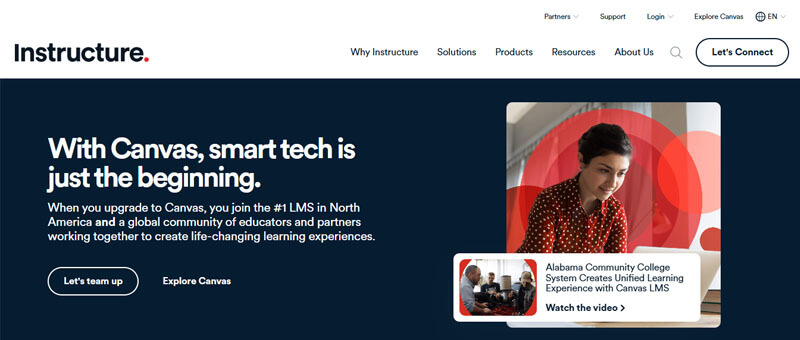
Canvas is an LMS that’s widely used by schools and universities. It’s known for its simplicity, scalability, and powerful integrations, including video, content sharing, and real-time collaboration.
Key Features:
- Simple and clean interface, widely used in higher education
- Collaborative tools for discussions, group work, and projects
- Native mobile apps for both students and teachers
- Advanced analytics and learning insights to track performance
- Support for rich media such as video, audio, and embedded content
- Extensive integration capabilities via LTI standards
- Customizable rubrics and peer review options for assessments
- Cloud storage integrations with Google Drive and OneDrive
Best For: Educational institutions and large organizations
Quick Comparison of the Best Cloud-Based LMS Platforms for 2026
| Feature | Moodle Cloud | TalentLMS | Docebo | LearnUpon | Canvas by Instructure |
|---|---|---|---|---|---|
| Key Strength | Open-source, customizable | Intuitive, easy setup | AI-powered learning management | Easy-to-use, robust reporting | Simple, scalable for education |
| Mobile Compatibility | Mobile app | Mobile-friendly | Android & iOS apps | Mobile responsive | Native apps for students & teachers |
| Gamification | Yes, includes badges | Yes, points, badges, leaderboards | Yes, gamification features | No | No |
| Course Creation | Drag-and-drop | Supports SCORM, Tin Can | Smart content recommendations | Drag-and-drop | Collaborative tools for projects |
| Customization | High, themes, plugins | Moderate | High, tailored workflows | Moderate | High, customizable rubrics |
| Reporting & Analytics | Basic reporting tools | Automated progress alerts | Comprehensive, AI-driven insights | Advanced reporting | Advanced analytics |
| Multi-Language Support | Yes | Yes | Yes | Yes | Yes |
| Integrations | Basic integrations | Integrates with Zapier, CRM, Slack | Extensive (eCommerce, HR) | Zoom, Salesforce, more | Extensive LTI integrations |
| Best For | Educational institutions, small businesses | Corporate training, enterprise businesses | Large enterprises, multinational companies | Businesses seeking all-in-one solutions | Higher education, large organizations |
Benefits of Using Cloud-Based LMS Platforms
Cloud-based LMS platforms offer numerous benefits that enhance learning experiences and streamline management processes. Here are some of the top advantages:
1. Improved Learner Engagement
Cloud-based LMS platforms often come with gamification features and interactive content, which boost learner engagement and retention. Learners can participate in quizzes, badges, leaderboards, and peer-to-peer activities, making the learning process more engaging and fun.
2. Real-Time Collaboration
These platforms facilitate real-time collaboration through features like chat, discussion forums, and group projects. Learners can interact with instructors and peers, creating a community learning environment that’s often missing from traditional methods.
3. Better Tracking and Reporting
With cloud-based solutions, administrators can easily track learner progress, completion rates, and engagement metrics, helping organizations identify areas for improvement and ensure that training objectives are met.
4. Flexibility in Learning
Cloud-based platforms provide learners with the flexibility to access training materials whenever and wherever they choose, supporting diverse learning styles and schedules.
How to Choose the Right Cloud-Based LMS Platform
When selecting a cloud-based LMS platform, keep the following factors in mind:
- Cost: Ensure the platform fits your budget, considering both upfront and ongoing maintenance costs.
- Ease of Use: Look for an intuitive platform that requires minimal training for both learners and administrators.
- Customization Options: Ensure that the platform can be customized to meet your organization’s branding and learning needs.
- Scalability: Choose a platform that can grow with your organization’s needs, whether you’re adding new learners or expanding content.
- Support and Training: Ensure the provider offers excellent customer service and resources for troubleshooting and training.
Conclusion
In 2026, cloud-based LMS platforms will continue to evolve, offering more features and flexibility to meet the demands of modern learners. Whether you are looking for a simple solution for a small business or an advanced platform for a large enterprise, there is a cloud-based LMS platform that can meet your needs. By understanding the key features, benefits, and top platforms, you can make an informed decision that will help you deliver an effective and engaging learning experience for your organization.
FAQs About Cloud-Based LMS Platforms
What is the best cloud-based LMS for small businesses?
Platforms like TalentLMS are ideal for small businesses due to their scalability and ease of use.
How much do cloud-based LMS platforms cost?
Pricing varies, with some platforms offering free plans for small organizations and tiered pricing based on the number of users or features.
Can cloud-based LMS platforms integrate with other tools?
Yes, many LMS platforms offer seamless integrations with popular tools such as CRM systems, HR platforms, and video conferencing tools like Zoom.