
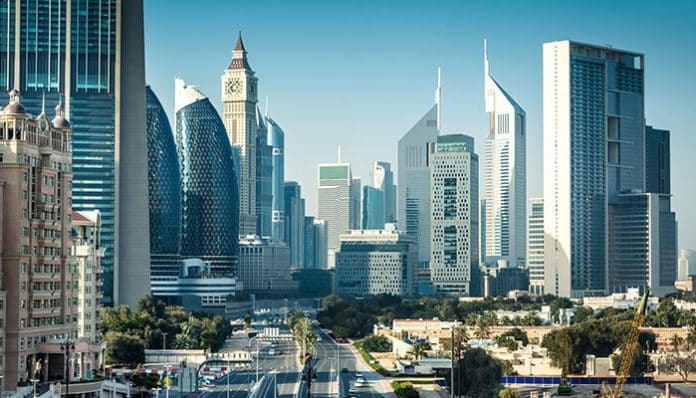

Understanding the Dubai Real Estate Market
The allure of Dubai’s real estate market is undeniable, with its iconic skyline, tax-free status, and burgeoning tourism industry attracting investors from across the globe. However, when buying your first Dubai apartment, the first step to making a wise investment is understanding the dynamics that govern this unique market.
Dubai’s property market is known for its rapid growth and occasional fluctuations, driven by factors such as oil prices, government policies, and global economic conditions. Unlike other real estate markets, Dubai offers freehold ownership to expatriates in designated areas, which has significantly boosted foreign investment.
According to recent data, Dubai saw an increase in property transactions by 20% year-on-year as of October 2023. This growth indicates both a strong local demand and increasing international interest, making it a competitive environment for first-time buyers.
Establishing Your Budget
Before you start exploring properties, it’s crucial to have a clear understanding of your financial capacity. Establishing a realistic budget will not only narrow down your options but also ensure that you do not overextend yourself financially.
1. Assess Your Savings: Determine how much you can allocate from your savings towards the down payment and other initial costs.
2. Consider Additional Costs: Remember to include registration fees, agent commissions, maintenance charges, and potential renovation expenses in your calculations.
3. Plan for the Future: Make sure your budget allows for potential changes in your financial situation, such as job changes or market fluctuations.
Choosing the Right Location
Dubai offers a variety of neighborhoods each with its own distinct character and amenities. Choosing the right location is pivotal to ensuring both comfort and property value appreciation.
Key Factors to Consider:
1. Proximity to Work: Consider traffic patterns and commute times.
2. Lifestyle Preferences: Whether you prefer beachfront living or a more urban setting can influence your neighborhood choice.
3. Future Development Plans: Areas like Downtown Dubai or Dubai Marina are often sought after due to their established infrastructure and continued development prospects.
Ellington Properties is known for developing projects in some of Dubai’s most prestigious locations, offering a balance of luxury and convenience that appeals to many first-time buyers.
The Importance of Legal Due Diligence
Legal diligence is an often-overlooked step that can save you from future headaches. Understanding the legal framework can protect your investment and ensure a smooth transaction process.
Steps in Legal Due Diligence:
1. Verify Property Ownership: Ensure that the seller has clear ownership rights and there are no outstanding debts or liens on the property.
2. Review Contracts Thoroughly: Engage a qualified lawyer to review all contracts before signing.
3. Understand Your Rights: Familiarize yourself with local real estate laws including dispute resolution mechanisms.
Financing Options and Mortgage Considerations
Securing financing is often one of the most complex aspects of buying property in Dubai. With various mortgage options available, selecting the right one requires careful consideration.
1. Fixed vs Variable Rates: Decide whether you prefer stability or flexibility in interest rates.
2. Loan Terms: Longer terms may reduce monthly payments but increase total interest paid.
3. Eligibility Criteria: Understand bank requirements such as minimum income levels and credit score thresholds.
Working with reputable financial institutions can simplify this process significantly, enabling you to make informed decisions about your financing options.
Evaluating Property Types
Dubai’s real estate market offers a diverse range of property types from luxurious penthouses to economical apartments in suburban settings.
Considerations When Choosing Property Type:
1. Purpose of Purchase: Are you buying for personal use or as an investment? This will influence key decisions regarding size, amenities, and location.
2. Resale Value: Properties in certain areas may offer better resale values due to higher demand.
3. Maintenance Costs: Larger properties or those with extensive amenities may incur higher ongoing costs.
Ellington Properties specializes in premium developments that cater to discerning buyers seeking quality finishes and modern design principles.
Working with Reputable Developers and Agencies

Engaging trustworthy developers and real estate agencies can mitigate many risks associated with purchasing property abroad.
Tips for Selecting Reliable Partners:
1. Research Developer Reputation: Look for reviews and past project performance.
2. Agency Accreditation: Ensure that any agency you work with is registered with Dubai’s Real Estate Regulatory Authority (RERA).
3. Transparent Communication: Choose partners who are transparent about costs involved at every stage.
Ellington Properties has earned a reputation for excellence within Dubai’s competitive market by consistently delivering high-quality projects on time while maintaining transparency throughout transactions.
Importance of Home Inspections
Conducting thorough home inspections before finalizing any purchase agreement cannot be overstated; it safeguards against future surprises related to structural integrity or hidden defects within newly acquired properties.
Key Aspects Covered During Inspections:
1. Structural Soundness: Check foundations, walls, roofs, etc., especially if considering older properties where wear-and-tear might exist.
2. Utilities Functionality: Verify plumbing, electrical systems, and HVAC units operate correctly without needing immediate repairs/maintenance post-purchase.
3. Pest Control Issues: Inspect signs of infestations, termites, rodents, which could compromise habitation quality, safety, long-term value retention prospects associatedwith the asset class under consideration during acquisition phases undertaken by prospective homeowners alike!
Navigating Cultural And Regulatory Differences
Understanding cultural norms and regulatory frameworks governing business practices is essential making informed decisions, navigating complexities inherent in foreign investment ventures undertaken in unfamiliar territories abroad, like those found in Middle Eastern regions encompassing cities such as the dynamic, evolving metropolis of the emirate itself!
Familiarity with customs and traditions helps build rapport with locals and facilitate smoother transactions, while adherence to regulations ensures compliance, avoiding potential legal disputes arising from misunderstandings and misinterpretations. Contractual obligations therein involved processes of a transactional nature, thereby enhancing the overall experience enjoyed by participants engaged in activities surrounding the same, ultimately leading to successful outcomes achieved in a satisfactory manner desired by the concerned!
Long-Term Investment Considerations
Thinking beyond immediate purchase, think future implications, holding onto asset extended periods, analyzing trends, predicting shifts, consumer preferences, identifying emerging hotspots poised for growth and expansion, proves invaluable tools for savvy investors looking maximize returns on capital employed within the burgeoning sector cityscape continues evolve and adapt to meet changing demands of residents and visitors alike!
Evaluating potential rental yields, resale values, factoring planned infrastructure developments, major events, and upcoming years contribute to shaping the trajectory of the overall housing landscape. Emirate positions itself as a global stage destination choice, discerning individuals seeking a combination of luxury lifestyle opportunities unparalleled anywhere else in the world today, tomorrow, next decade beyond!
Table of Contents
1. Understanding the Dubai Real Estate Market
2. Establishing Your Budget
3. Choosing the Right Location
4. The Importance of Legal Due Diligence
5. Financing Options and Mortgage Considerations
6. Evaluating Property Types
7. Working with Reputable Developers and Agencies
8. Importance of Home Inspections
9. Navigating Cultural and Regulatory Differences
10. Long-term Investment Considerations