


Getting views on social media is much easier than getting real interaction. Many brands, creators, and businesses post regularly but still struggle to generate comments, shares, saves, replies, and meaningful conversations. That matters because social media platforms increasingly reward content that people actively engage with, not content they simply scroll past. If you want to know how to increase interactions on social media?, the answer is not posting more random content or copying every trend. T
he real key is creating platform-specific content that captures attention quickly, gives people a reason to respond, and builds trust over time. Stronger hooks, better calls to action, faster replies, useful topics, and consistent testing all play an important role in improving engagement across Instagram, LinkedIn, TikTok, YouTube, Facebook, and X.
This guide explains how to increase interactions on social media using practical, research-based strategies that align with how major platforms evaluate content performance today. Whether your goal is to boost comments, increase shares, improve saves, get more replies, or build a stronger social media engagement strategy, these tips can help you create content that people are more likely to notice, trust, and interact with.
Why Social Media Interactions Matter More Than Follower Count
Follower count can still matter for perception, but it is no longer the clearest sign of success. What matters more is whether people actually do something with your content: comment on it, save it, share it, reply to it, click it, or keep watching.
That shift is also reflected in how major platforms talk about performance. Instagram creator guidance emphasizes content that earns likes, comments, saves, and shares, while YouTube analytics focus heavily on audience retention, watch time, and engagement reports. X also highlights likes, replies, reposts, shares, and related engagement signals as important for recommendations.
For brands, creators, coaches, bloggers, and small businesses, that means one thing: visibility without response is weak performance. A smaller audience that actively comments, shares, saves, and clicks is often more valuable than a large audience that passively scrolls.
What Counts as Social Media Interactions?
Social media interactions can include:
- Likes
- Comments
- Shares
- Saves
- Reposts
- Direct messages
- Link clicks
- Poll votes
- Story replies
- Sticker taps
- Profile visits
- Watch time
- Average view duration
- Audience retention
Different platforms measure engagement differently, but the principle is the same: interactions show that people did more than just see your post.
Why Your Posts Get Views but Very Little Engagement
A lot of content gets impressions but no meaningful response. Usually, that happens for one of these reasons:
That is why learning how to get more engagement on social media is not just about posting more. It is about making your content easier and more rewarding to respond to.
The Best Starting Strategy for Beginners
If you are new to social media growth, do not overcomplicate the process. Start with a small system:
- Choose One Main Platform
- Focus on One Audience Problem or Topic Cluster
- Post Consistently
- Improve Your First Line or First Three Seconds
- Ask One Simple Question in Each Post
- Reply to Every Genuine Comment
- Review Your Best-Performing Posts Weekly
This kind of simple, repeatable structure usually works better than trend-chasing without a plan.
15 Expert Tips That Work
1. Create Content That Gives People a Reason to Respond
Many posts fail because they are passive. They inform, but they do not invite action.
A post that says, “Here is our new update,” may get seen. A post that says, “Which update would help you most right now?” creates a reason to reply.
The best-performing content often does one of these things:
- Solves a Problem
- Asks for an Opinion
- Compares Choices
- Shares a Relatable Mistake
- Tells a Useful Story
- Offers a Takeaway People Want to Save or Share
Interaction increases when the audience feels there is a natural opening for them to join in.
2. Improve the Hook in the First Line or First Seconds
On nearly every platform, the opening matters disproportionately. If the first line is weak, most people will not stay long enough to engage.
This matches current platform guidance too. TikTok’s 2026 marketing forecast says users are in stronger discovery mode, want value from the time they invest, and respond to content that feels relevant and worth engaging with. Instagram also continues to emphasize discoverable, engaging content and testing new ideas.
Stronger hooks usually do one of four things:
- Promise a Useful Result
- Raise Curiosity
- Identify a Pain Point
- Challenge an Assumption
Examples:
- Most brands post too much and interact too little
- Your content is getting views, but here is why nobody comments
- Try this simple caption trick to get more replies
- Stop posting helpful content that gives nobody a reason to respond
If you want to know how to increase interactions on social media, improving your hooks is one of the fastest wins.
3. Focus on Quality and Consistency, Not Volume Alone
Posting more does not automatically improve engagement. Repeated low-quality content can actually train your audience to ignore you.
A better approach is to publish consistently enough to stay visible while keeping quality high enough to be worth engaging with. YouTube’s creator guidance also advises creators to keep experimenting with topics and formats while building both returning and new viewers.
Quality attracts attention. Consistency builds familiarity. Together, they create repeat interaction over time.
4. Reply to Comments Quickly and Keep the Conversation Going
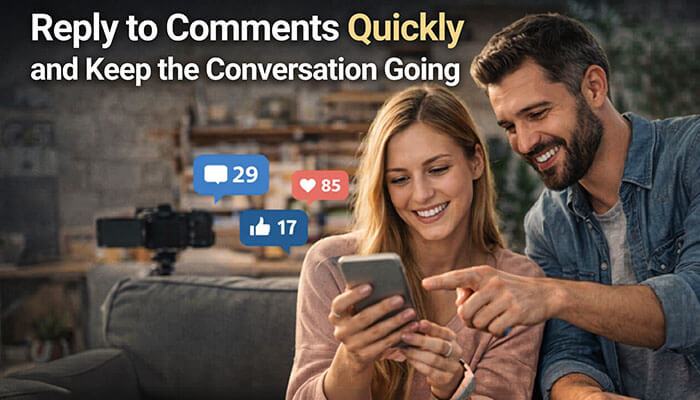
One of the easiest ways to boost social media interaction is to stop treating comments as the end of the exchange.
A comment is not just feedback. It is a second opportunity to deepen engagement.
LinkedIn strategy guidance emphasizes meaningful conversations, thoughtful commenting, and responding quickly to your own posts. YouTube creator guidance also notes that replying to comments shows your audience that you are listening and interested in their feedback.
Better replies include:
- Follow-Up Questions
- Clarifications
- Short Examples
- Personal Responses
- Appreciation With Substance, Not Just “Thanks”
Interaction attracts more interaction. The faster and more thoughtfully you respond, the more likely a thread keeps growing.
5. Use Platform-Native Interactive Features
The easiest interaction is usually the one with the least friction.
That is why platform-native features matter so much:
- Instagram Stories polls, sliders, question stickers, Broadcast Channels
- YouTube Community posts and polls
- TikTok Q&A, comments, creator replies, Lives
- Facebook groups, polls, discussion posts
- LinkedIn document posts and discussion-led captions
- X replies, quote posts, threads, and Spaces
YouTube officially recommends using polls, behind-the-scenes posts, teasers, and collaboration mentions through Posts. Instagram also promotes features that help creators connect directly and casually with followers, including Broadcast Channels.
The easier you make participation, the more likely people are to take part.
6. Adapt Content to Each Platform Instead of Cross-Posting Blindly
One of the biggest engagement mistakes is posting the same content everywhere with almost no adaptation.
Each platform encourages different behavior:
- Instagram: visual storytelling, Reels, Stories, saves, shares, replies
- LinkedIn: expertise, insight, opinion, professional discussion
- TikTok: short hooks, personality, relevance, culture-led discovery
- Facebook: community, shareability, groups, conversations
- YouTube: watch time, retention, return viewing, comments
- X: timely conversation, replies, reposts, quote posts, topical relevance
That platform-specific difference is visible in official guidance. Instagram highlights ranking and engaging content formats, TikTok emphasizes relevance and cultural participation, and YouTube places major weight on retention and engagement metrics.
If you want to increase social media engagement organically, stop thinking of social media as one channel. It is a group of different environments with different user behavior.
7. Make Your Profile Easier to Trust and Understand
Better engagement often starts before the post.
If your profile is unclear, incomplete, inconsistent, or hard to understand, fewer people will follow, click, comment, or take you seriously.
Improve your page by:
- Using a Clear Profile Image
- Writing a Benefit-Focused Bio
- Adding Niche-Relevant Keywords
- Keeping Links Current
- Using a Consistent Brand Voice
- Making It Obvious What Kind of Content People Can Expect
A strong profile supports discoverability and trust, both of which influence whether people engage later.
8. Improve Captions and Calls to Action
Many captions explain the post but do not guide the next step.
A stronger caption adds meaning, context, and a reason to respond.
Good calls to action can sound simple:
- What has worked best for you?
- Which option would you choose?
- Save this for later
- Have you tested this yet?
- What would you add to this list?
Weak CTA:
Comment yes if you agree
Better CTA:
What is the biggest challenge you still face with this?
If your goal is how to get more comments on social media, stronger discussion prompts can make a major difference.
9. Use Analytics to Repeat What Already Works
Guessing is slower than measuring.
Every major platform gives some form of insight into what your audience responds to. YouTube’s Engagement tab highlights watch time, average view duration, and audience retention. X also promotes analytics as a way to understand how people respond to content and improve future performance.
Track patterns like:
- Posts With the Most Comments
- Posts With the Most Shares
- Posts With the Most Saves
- Videos With the Strongest Retention
- Topics That Trigger Real Discussion
- Times When Your Audience Responds Fastest
When you find a post that works, break down why it worked. Was it the hook, format, topic, tone, timing, or CTA?
That process is what turns random wins into a real social media engagement strategy.
10. Post When Your Audience Is Most Active
Timing will not rescue weak content, but it can help strong content perform better.
Start with platform insights and then test:
- Morning vs Evening
- Weekdays vs Weekends
- Work Hours vs After-Work Hours
- Launch-Day Posting vs Delayed Posting
Your best times depend more on your actual audience than on broad benchmark charts.
11. Collaborate With Other Creators, Customers, or Partners
Collaboration creates fresh energy and exposes your content to adjacent audiences.
Strong collaboration formats include:
- Joint Livestreams
- Guest Posts
- Interviews
- Creator Shoutouts
- Customer Stories
- Shared Carousels
- Collaboration Videos
- Co-Created Opinion Posts
YouTube specifically recommends promoting collaboration posts and mentioning fellow creators in Community posts. TikTok’s recent brand guidance also stresses creator partnerships and niche community participation.
Collaboration works because it gives people new voices, new reasons to comment, and more social proof.
12. Build Content Series, Not Just Isolated Posts
A strong series builds anticipation and repeat engagement.
Examples:
- Monday Content Mistakes
- Weekly Audience Q&A
- Monthly Trend Breakdown
- Weekly Myth vs Fact
- One Platform Tip Every Friday
- Customer Win of the Week
Series help because they reduce unpredictability. Your audience starts to know what you talk about and when to expect it.
That familiarity often increases return visits, saves, and repeat comments.
13. Be More Human and Less Corporate
Audiences usually interact more with content that feels human than with content that feels overly polished or distant.
LinkedIn strategy guidance highlights authentic stories and personal lessons as stronger conversation starters than pure broadcasting. TikTok’s 2026 forecast also stresses listening, learning, and sharing real stories that reflect how audiences actually feel.
Human content can include:
- Founder Lessons
- Mistakes and Fixes
- Behind-the-Scenes Posts
- Team Perspectives
- Direct Answers to Audience Questions
- Honest Takes on What Is Not Working
People often do not comment because content is too formal. They comment when it feels real enough to answer back.
14. Encourage Meaningful Discussion, Not Empty Engagement Bait
Low-quality prompts can inflate weak interaction without building real connection.
Examples of weak bait:
- Comment yes if you agree
- Tag three friends
- Like this if you want part two
Better prompts create real discussion:
- What is the biggest obstacle you still face here?
- Which of these tactics has worked best for you?
- What would you add from your own experience?
Meaningful engagement may sometimes produce fewer total comments than shallow bait, but the quality of those comments is usually much better and more useful long term.
15. Keep Testing Because Growth Is Never Linear
Social media changes constantly. Formats shift. Audiences change. Topics lose momentum. New features appear. Old assumptions stop working.
That is why official platform guidance consistently points creators and marketers toward experimentation, analysis, and content adaptation rather than fixed formulas. Instagram recommends testing new ideas, and YouTube advises creators to keep experimenting with topics and formats as audience interests change.
Keep testing:
- Stronger vs Softer Hooks
- Short vs Long Captions
- Carousels vs Short Videos
- Educational vs Opinion Posts
- Different Posting Times
- Different CTAs
- Polished vs More Casual Creative
Testing is what helps you move from “posting” to improving.
Best Content Formats to Increase Social Media Engagement
Some content formats naturally generate more interaction because they create curiosity, make value obvious, or reduce response friction.
High-engagement formats include:
- Short-Form Video
- Carousel Posts
- Polls
- Question Posts
- Founder Stories
- Behind-the-Scenes Content
- Before-and-After Examples
- User-Generated Content
- Mini-Guides
- Community Q&A Posts
- Side-by-Side Comparisons
- Reaction Posts Tied to Trends
These formats work well because they either create quick emotional response, practical value, or a simple invitation to participate.
Platform-by-Platform Interaction Strategy
Instagram engagement often grows through Reels, Stories, replies, shares, saves, and comments. Instagram creator resources also emphasize engaging content, testing new ideas, and understanding ranking systems. Newer features like reposts and social discovery tools are designed to help people connect around content.
LinkedIn tends to reward insight, specificity, personal perspective, and thoughtful professional discussion. Its strategy guidance strongly emphasizes niche focus, thoughtful engagement, quick responses, and authentic stories.
TikTok
TikTok performs best when content feels relevant, responsive, human, and culturally aware. Its 2026 forecast notes that users expect stronger value from the time they spend and that passive consumption is giving way to more active discovery and participation.
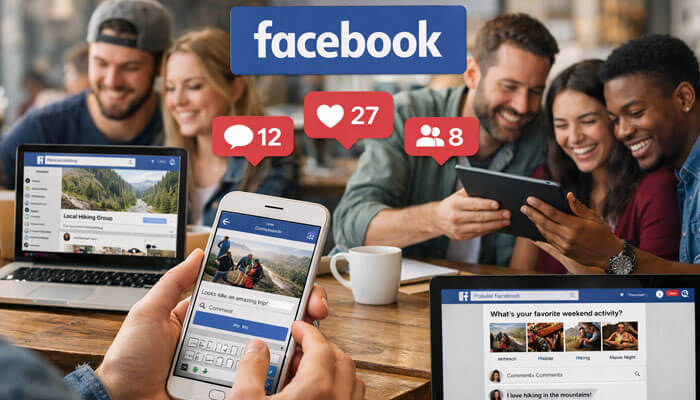
Facebook still works well for community-driven posts, group discussions, shareable opinions, and posts that invite longer comment threads. This makes it a useful platform for brands and creators learning how to increase interactions on social media through conversation-led content.
YouTube
YouTube interaction depends heavily on retention and continued viewer interest. Official analytics resources emphasize watch time, average view duration, and key moments for audience retention. YouTube also recommends using pinned comments, direct questions, and Community posts like polls and behind-the-scenes updates to build discussion.
X
X interaction depends heavily on relevance, replies, reposts, and network-level engagement signals. Its documentation explains that recommendations are influenced by follows, likes, reposts, replies, media watched, and popular content within a person’s network.
Best Social Media Interaction Tactics by Platform
| Platform | Best Interaction Drivers |
|---|---|
| Reels, Stories, saves, shares, replies | |
| Opinions, lessons, document posts, discussion | |
| TikTok | Fast hooks, personality, trend relevance |
| Groups, community posts, comment threads | |
| YouTube | Retention, pinned comments, polls, Q&A |
| X | Replies, reposts, quote posts, timely conversations |
Social Media Interaction Checklist
Use this before or after publishing:
- Write a Strong Hook
- Include One Clear CTA
- Give People a Reason to Respond
- Use a Platform-Native Feature
- Publish When Your Audience Is Active
- Reply to Comments Quickly
- Review Saves, Shares, Replies, and Retention
- Test One New Format Each Week
- Update Your Bio and Profile Links Regularly
- Create Content for One Audience Need, Not Everyone
Common Mistakes That Reduce Interactions
| Mistake | Why It Hurts |
|---|---|
| Weak opening hook | People scroll before they understand the value |
| No CTA | Readers have no reason to respond |
| Ignoring comments | Conversation momentum dies quickly |
| Cross-posting identical content | The post feels unnatural on each platform |
| Overly promotional tone | Trust and interest drop |
| No analytics review | You keep repeating underperforming content |
| Chasing vanity metrics only | You miss the signals that actually drive growth |
How Long Does It Take to Increase Social Media Interactions?
Some gains can happen quickly. Better hooks, better CTAs, and faster replies can improve results within days.
Stronger long-term interaction usually takes longer because it depends on:
- Trust
- Consistency
- Audience Understanding
- Content Quality
- Platform Fit
In most cases, deeper engagement grows over weeks and months, not overnight.
How to Measure Whether Your Interactions Are Improving
Do not rely on likes alone.
Track:
- Comments Per Post
- Saves
- Shares
- Direct Messages
- Click-Through Rate
- Watch Time
- Average View Duration
- Audience Retention
- Follower Growth From Engaged Posts
- Response Time to Comments and Messages
These metrics give a much clearer view of whether your content is building real audience response.
Final Verdict
If you want to learn how to increase interactions on social media, stop looking for one trick.
The most reliable way to improve performance is to:
- Create Useful Content
- Open With a Stronger Hook
- Make Engagement Easy
- Ask Better Questions
- Respond Quickly
- Use Native Platform Features
- Study Your Analytics
- Adapt by Platform
- Keep Testing
The accounts that grow strongest are usually not the ones that post the most. They are the ones that create content people care enough to respond to.
How to Increase Interactions on Social Media? FAQs
1. How to Increase Interactions on Social Media?
To increase interactions on social media, create useful content, use stronger hooks, ask clear questions, and make it easy for people to respond. You should also post consistently, use platform-native features, and reply quickly to comments and messages.
2. Do hashtags still help increase interactions on social media?
Yes, but only when they are relevant to your topic and audience. Hashtags are not a shortcut to engagement, but they can still improve discoverability when they clearly match the content. Better discovery can lead to more comments, saves, shares, and profile visits over time.
3. Should I delete a post if it gets low engagement at first?
Usually, no. A slow start does not always mean the post will fail completely. Some posts gain traction later through search, recommendations, delayed audience activity, or shares. In most cases, it is better to review what may have limited performance and apply those lessons to future posts.
4. Do smaller niche accounts often get better interaction than broad accounts?
Yes, in many cases. Smaller niche accounts often attract more interaction because their content feels more specific, relevant, and community-driven. A focused audience is usually more likely to comment, reply, and share than a broad audience with mixed interests.
5. Can community posts, polls, and quizzes increase engagement even when I am not publishing a main post?
Yes. Lighter interactive formats can help keep your audience active between your main posts, videos, or campaigns. Polls, quizzes, and quick community updates reduce friction, which makes it easier for people to respond and stay connected to your content.
6. Is it better to focus on comments or shares when trying to grow faster?
Both matter, but shares often help growth more directly because they can extend your content beyond your current audience. Comments are valuable because they build discussion and trust, while shares can help increase reach and visibility more quickly.