


Key Takeaways
• Remote and hybrid work models have shifted the workplace injuries trends from traditional office-related risks to home-based ergonomic and mental health challenges.
• Employers must adapt workers’ compensation policies to accommodate remote work scenarios, particularly in terms of injury compensability and documentation.
• Promoting ergonomic best practices and clear work-from-home guidelines can help mitigate emerging risks.
• Mental health support is increasingly vital in remote work environments, with isolation and blurred boundaries contributing to employee stress.
As workforces across the globe shift towards hybrid and remote setups, companies and employees alike are realizing that the nature of workplace injuries is evolving. While these flexible models offer increased autonomy and work-life balance, they also introduce a unique set of safety and health considerations for both employees and employers. Navigating these changes demands a new understanding of risks—and of how policies like workers compensation insurance from The Hartford can help protect organizations and their teams in this new landscape.
Historically, workplace injuries predominantly occurred within the confines of offices, warehouses, or industrial settings. Now, as an increasing portion of the workforce operates from kitchens and living rooms, the definition of a “workplace injury” is changing along with the environments in which they happen. While the frequency of traditional hazards, such as slips and falls, may be declining, new risks are on the rise, particularly those linked to poor ergonomic practices and poor mental well-being.
This evolution highlights the importance of establishing clear expectations, supporting employees, and regularly updating safety protocols. Additionally, understanding these trends helps companies stay compliant with changing regulations and workers’ compensation requirements.
According to research from the National Safety Council, businesses that address remote work safety proactively can reduce injury risk, support employee well-being, and safeguard productivity in the long term.
The Shift to Remote and Hybrid Work
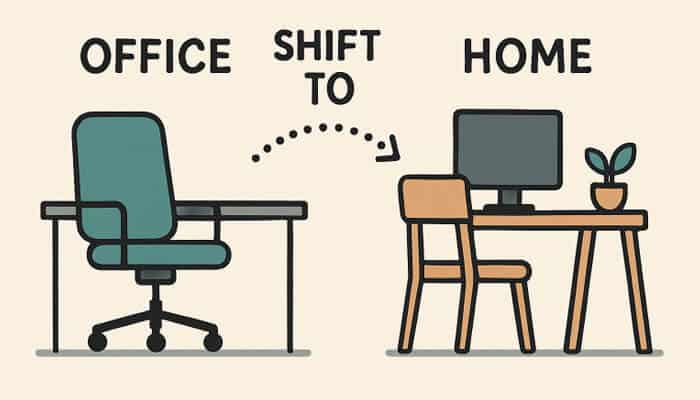
The COVID-19 pandemic catalyzed a massive shift in workplace culture, prompting millions of employees to leave traditional offices almost overnight. By March 2025, estimates indicate that nearly 23% of U.S. employees will be working remotely or in hybrid models—almost quadruple the pre-pandemic level. This shift isn’t simply a temporary adjustment; many organizations are now embedding flexible work into their long-term strategies. As roles become less tied to fixed office locations, both the scope of employer responsibility and the risks workers face are evolving as well.
Decline in Traditional Workplace Injuries
With fewer employees commuting to and spending time in shared workspaces, injuries linked to physical office hazards—such as slips, trips, and falls—have significantly decreased. A recent report from the National Council on Compensation Insurance (NCCI) revealed that remote-friendly office positions have seen a decrease in workers’ compensation claims by up to 40% since 2020. This decline directly correlates with reduced exposure to crowded corridors, communal equipment, and other everyday office risks.
This trend, however, doesn’t mean workplaces are becoming risk-free. Instead, existing risks are being replaced (or supplemented) by those found within home environments.
Emergence of Home-Based Ergonomic Issues
The home office, while convenient, is often not designed for long periods of sedentary work. Dining chairs, couches, and makeshift workstations can lead to new categories of injury. Musculoskeletal disorders (MSDs), including neck stiffness, lower back pain, carpal tunnel syndrome, and other repetitive strain injuries, are increasingly common among remote workers. Research indicates that injury claims among remote workers have increased by 24% to 54%, with the vast majority attributed to ergonomic shortcomings and prolonged periods of sitting without adequate support.
Without employer-provided furniture, employees frequently improvise with what’s on hand, which can inadvertently increase their risk of injury over time.
Mental Health Considerations
Physical injuries aren’t the only concern. Remote and hybrid work settings can negatively impact mental well-being, especially for individuals who experience increased isolation or struggle to establish healthy boundaries between work and home life. According to OSHA and resources from the American Psychological Association, remote employees are more likely to experience high stress levels, burnout, and difficulty disengaging from work at the end of the day.
Supporting mental health in remote teams is not just compassionate; it can also reduce absenteeism, boost productivity, and enhance organizational resilience.
Challenges in Workers’ Compensation for Remote Employees
Workers’ compensation is designed to support employees who are injured while performing their job duties. However, remote work complicates the definition of what constitutes a work-related injury. For example, if an employee suffers a repetitive strain injury while typing on their home computer, is that automatically covered? What if the injury results from an activity performed during unauthorized work hours?
To ensure clarity, employers should establish well-defined remote work policies detailing expected work hours, workspaces, and protocols for reporting injuries. Proper documentation and prompt claims reporting are critical in these scenarios, as they can help differentiate between truly work-related injuries and personal incidents.
Implementing Ergonomic Practices
Employers can take meaningful steps to reduce injury risk in remote environments:
- Conduct virtual ergonomic assessments and guide on setting up safe home workstations.
- Offer stipends or reimbursements for ergonomic chairs, desks, and computer accessories.
- Encourage regular movement, stretching, and break periods throughout the workday.
- Promote access to wellness programs and mental health resources, particularly those tailored for employees who are isolated or stressed.
Helpful guidance on creating effective ergonomic programs can be found through resources such as the OSHA Ergonomics page and the National Safety Council.
Conclusion
The evolution of workplace injuries reflects much more than just a change of scenery. While the decline in traditional office accidents is notable, the increase in home-based ergonomic and mental health issues presents new and complex challenges. Organizations and their employees must be agile and proactive, embracing evolving safety protocols, more substantial mental health support, and up-to-date workers’ compensation policies. In doing so, businesses can ensure safer, healthier, and more productive work environments, wherever that workplace may be.