
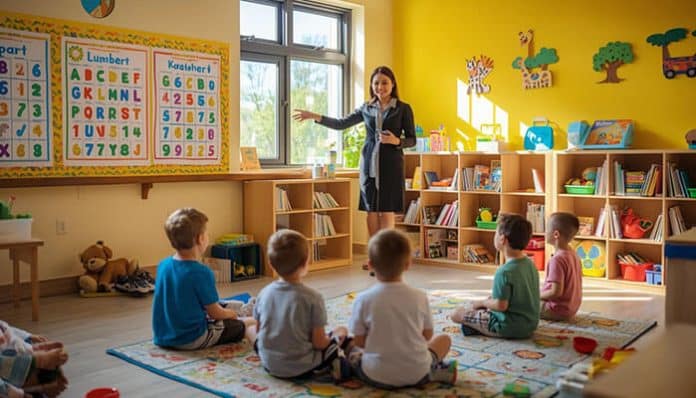

Starting kindergarten is one of the first big milestones in a child’s life. For families in Melbourne, choosing the right early learning program can feel overwhelming — with so many options, philosophies, schedules, and support services available. In this guide, we explore the most important aspects of kindergarten in Melbourne so you can approach this decision with confidence and clarity.
What Is Kindergarten in Melbourne?
Kindergarten in Melbourne refers to early childhood education programs designed for children in the year or two before they begin primary school (typically ages 3–5). These programs focus on play-based learning, social interaction, and foundational skills that support children’s emotional, cognitive, and physical development.
Kindergarten is not just “childcare” — it is guided learning that nurtures curiosity, resilience, language growth, problem-solving, and a sense of belonging.
Why Kindergarten Matters
Supporting Development Through Play
Melbourne kindergartens emphasise learning as a vehicle for learning. Through structured and unstructured play, children develop creativity, cooperation, communication, and confidence. Play-based learning also allows children to explore concepts in literacy, numeracy, science, and arts in ways that feel natural and engaging.
Building Social and Emotional Skills
Kindergarten gives children their first sustained experience in a group learning environment. This helps them learn how to:
- Take turns and share
- Express emotions and manage conflict.
- Follow routines and adjust to new settings.
- Make friends and work collaboratively.
These social and emotional skills lay the foundation for positive school experiences and lifelong learning.
Bridging the Gap to School
Kindergarten acts as a bridge between home life and the more structured setting of primary school. Children get used to timetables, group activities, listening to educators, and transitioning between tasks. This helps ease the shift into formal schooling.
Exploring Different Types of Kindergarten Programs
Community Preschool Programs
Community preschools are widely available throughout Melbourne and are often run by local committees or non-profit organisations. They typically offer a play-based curriculum and attract families from varied backgrounds. These programs can be:
- Long day or sessional
- Part-time or full-time
- Flexible in terms of starting times and calendars
Community settings often foster deep parent engagement and a sense of shared purpose.
School-Based Kindergarten
Many primary schools in Melbourne now offer integrated kindergarten programs on campus. These programs can benefit families planning to send children to that school for the primary years, as children become familiar with the site, staff, and routines.
School-based kindergarten programs may also have access to wider facilities, such as school libraries and playgrounds.
Not-for-Profit and Specialist Early Learning Centres
Not-for-profit organisations often deliver kindergarten programs with a strong educational philosophy, supportive family services, and connections to community resources. Some centres focus on:
- Reggio Emilia-inspired learning
- Nature-based pedagogy
- Multicultural or bilingual education
- Support for children with additional needs
What to Look for When Choosing a Kindergarten
1. Educator Qualifications
Quality kindergarten programs are led by qualified early childhood teachers who understand child development and curriculum planning. Ask about staff credentials and ongoing professional learning.
2. Learning Philosophy
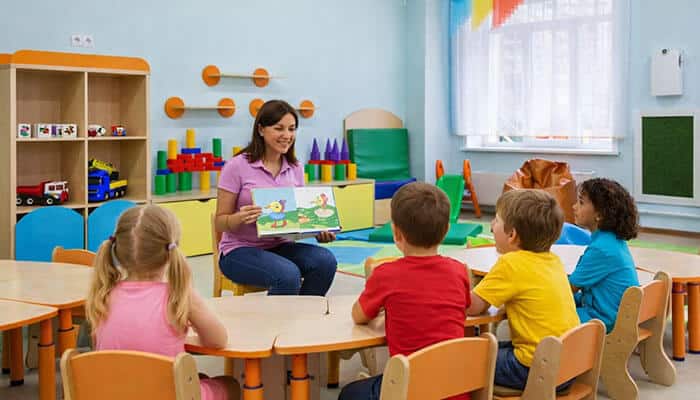
Every centre has its own approach. Some may prioritise outdoor learning and inquiry projects, while others may blend structured routines with free play. Observe how educators interact with children: Do they listen? Foster curiosity? Respond gently to emotions?
3. Environment and Resources
A well-designed environment offers a balance of open spaces, diverse materials, and opportunities for exploration. Look for:
- Outdoor play areas with climbing, sand, water, and natural elements
- Creative spaces for art, music, and dramatic play
- Quiet areas for reading and reflection
4. Communication With Families
Strong programs keep families informed and involved. Ask about:
- Parent-teacher meetings
- Daily communication routines
- Reporting on progress
- Family events and involvement opportunities
5. Inclusion and Support
Children learn at different paces and with different needs. A good kindergarten supports diversity and offers inclusive practices. Inquire about how the centre supports children with additional needs, language development, or behavioural challenges.
Practical Considerations for Families
Location and Transport
Consider how accessible the centre is from home or work. Is there parking? Are there safe walking routes? How flexible are drop-off and pick-up times?
Cost and Funding
Kindergarten fees vary across centres. Many community programs operate on a not-for-profit basis, while others may have higher fees due to facilities or extended hours. Melbourne families may also be eligible for government-funded kindergarten hours, so check what is available in your area.
Program Hours
Melbourne kindergartens offer a mix of sessional and long-day programs. Think about your family’s schedule. Some programs run only a few days per week, while others offer full-day care, making them more compatible with working parents.
Tips for Visiting Kindergartens
- Book tours so you can see the environment in action.
- Observe interactions between educators and children.
- Ask questions about curriculum, safety, transitions, and routines.
- Reflect on your child’s personality — does the setting match their energy and interests?
Conclusion
Choosing a kindergarten in Melbourne is a meaningful decision that sets the tone for your child’s early learning and future school success. Whether you prioritise play-based learning, community involvement, outdoor exploration, or a supportive learning environment, understanding what matters most to your family can help guide your choice.
Good kindergartens build confidence, inspire curiosity, and support children to thrive — socially, emotionally, and academically. By considering educator expertise, learning philosophy, environment, communication, and practical needs, you can find a program that feels just right for your child’s next big step.