


Last updated: September 2026
The Green Mountain National Forest is one of Vermont’s best destinations for hiking, camping, scenic drives, waterfalls, wildlife viewing, fishing, paddling, and four-season outdoor recreation. Stretching along the Green Mountains, the forest combines long-distance trails, remote wilderness areas, lakes and ponds, developed campgrounds, and historic landscapes.
Covering more than 400,000 acres, the Green Mountain National Forest includes eight designated wilderness areas and portions of the Appalachian National Scenic Trail and Long Trail. This makes it an important destination for both casual day hikers and experienced long-distance backpackers.
Whether you’re planning a short hike, weekend camping trip, fall foliage drive, or multi-day backpacking adventure, this Green Mountain National Forest guide explains what to see, where to camp, which trails to explore, what rules to know, and how to prepare.
Quick Answer: What Is Green Mountain National Forest?
Green Mountain National Forest is a large U.S. Forest Service-managed landscape in Vermont offering hiking, camping, backpacking, fishing, paddling, wildlife viewing, scenic driving, and winter recreation.
The Green Mountain National Forest contains eight designated wilderness areas and includes portions of two major long-distance hiking routes, the Appalachian National Scenic Trail and Long Trail.
There is no single entrance fee for the entire forest. Some campgrounds, recreation sites, permits, and special activities may have separate fees.
Because Green Mountain National Forest covers a wide area, visitors should choose a specific trail, campground, recreation area, waterfall, or scenic destination before planning their trip.
Green Mountain National Forest at a Glance
| Feature | Details |
|---|---|
| Location | Vermont, United States |
| Established | 1932 |
| Size | More than 400,000 acres |
| Wilderness areas | 8 designated wilderness areas |
| Major long-distance trails | Appalachian National Scenic Trail and Long Trail |
| Other notable trail | Robert Frost National Recreation Trail |
| Combined Forest Service trail network | More than 900 miles across the Green Mountain and Finger Lakes National Forests |
| National Recreation Areas | Moosalamoo and Robert T. Stafford White Rocks |
| Recreation | Hiking, camping, fishing, paddling, biking, horseback riding, wildlife viewing, winter sports |
| Best-known seasons | Summer and fall, with substantial winter recreation |
| Management | U.S. Forest Service |
What Is Green Mountain National Forest?
The Green Mountain National Forest is a federally managed national forest in Vermont. Unlike a national park, a national forest is managed under a multiple-use framework that accommodates recreation alongside authorized uses and resource-management objectives.
The Green Mountain National Forest follows the spine of Vermont’s Green Mountains and extends through central and southern portions of the state. Its landscape ranges from hardwood forests and ponds to high-elevation spruce-fir forests and remote wilderness.
The U.S. Forest Service administers Green Mountain National Forest as part of the Green Mountain & Finger Lakes National Forests administrative unit.
This combined management structure can sometimes create confusion when visitors see trail-mileage, campground, or recreation information covering both forests.
Why Is Green Mountain National Forest Important?
The Green Mountain National Forest has recreational, ecological, cultural, and historical importance.
The National Forest Foundation reports more than 2,000 archaeological and historic sites within the forest, including Native American sites, remnants of historic farms, industrial-era evidence, and Civilian Conservation Corps structures and facilities.
For visitors, Green Mountain National Forest is therefore much more than a collection of hiking trails. It is a landscape shaped by geology, conservation, communities, historic land use, wildlife, and generations of outdoor recreation.
Where Is Green Mountain National Forest?
Green Mountain National Forest is located in central and southern Vermont along the Green Mountain range.
Because the Green Mountain National Forest is large and widely dispersed, there is no single main entrance or gateway comparable to the entrance of a conventional national park.
Popular gateway communities include:
- Manchester
- Manchester Center
- Peru
- Stratton
- Arlington
- Winhall
- Rochester
- Middlebury
- Bennington
- Somerset
The best town to use as a base depends on which part of Green Mountain National Forest you plan to explore.
Northern and Southern Access
For trip planning, it is helpful to think of Green Mountain National Forest as a collection of separate recreation areas rather than one compact destination.
Northern sections provide access to areas around Middlebury and Rochester, while southern sections include much of the Manchester and Bennington recreation landscape.
Driving between different parts of Green Mountain National Forest can take longer than expected, especially when routes involve mountain roads or Forest Service roads.
How to Get to Green Mountain National Forest
There is no single road or entrance leading into the entire Green Mountain National Forest.
Your route depends on the trail, campground, wilderness area, pond, or recreation site you plan to visit.
Major routes serving different parts of the forest include:
- U.S. Route 7
- U.S. Route 4
- Vermont Route 100
- Vermont Route 9
- Vermont Route 125
- Local Forest Service roads
Visitors traveling to destinations such as Grout Pond may need to leave major highways and use local or Forest Service roads.
Before driving into Green Mountain National Forest, check current directions, road conditions, seasonal restrictions, and the latest Motor Vehicle Use Map.
Best Things to Do in Green Mountain National Forest
The Green Mountain National Forest offers outdoor activities throughout the year.
| Activity | What to Expect |
|---|---|
| Hiking | Day hikes, summit trails, waterfalls, long-distance routes and wilderness travel |
| Camping | Developed campgrounds, walk-in sites and backcountry opportunities |
| Backpacking | Long-distance trails and primitive wilderness experiences |
| Scenic drives | Forest roads, mountain roads and foliage routes |
| Wildlife viewing | Opportunities to see birds, deer, beaver, moose and other wildlife |
| Fishing | Lakes, ponds, streams and rivers |
| Paddling | Canoeing and kayaking on suitable waters |
| Horseback riding | Designated trails and horse-friendly facilities |
| Mountain biking | Designated routes outside prohibited areas |
| Winter recreation | Cross-country skiing, snowshoeing and other seasonal activities |
Visitors to Green Mountain National Forest can build a trip around hiking, camping, fishing, horseback riding, swimming, wildlife viewing, scenic driving, or winter recreation.
Best Hiking Trails in Green Mountain National Forest
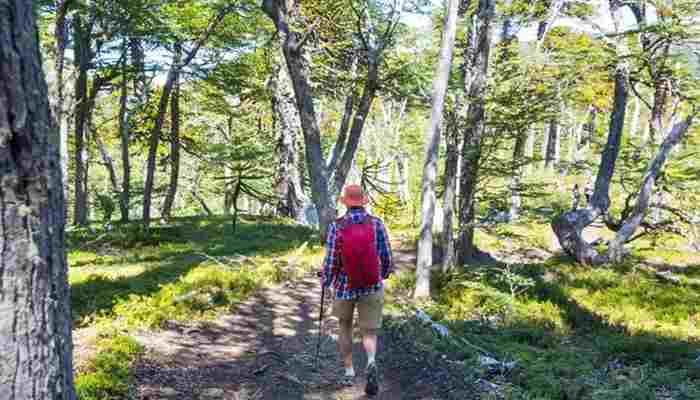
Hiking is one of the main reasons travelers visit Green Mountain National Forest.
There is no single best trail for everyone. The right choice depends on your hiking experience, available time, weather, elevation gain, and whether you want a waterfall, summit, pond, forest walk, or backcountry route.
Easy and Family-Friendly Hiking
Visitors seeking an easier Green Mountain National Forest hike can consider:
- Robert Frost National Recreation Trail
- Texas Falls area trails
- Short recreation-site nature trails
- Pond-side walks
- Selected trails near developed recreation areas
These routes can work well for families or visitors who want to explore Green Mountain National Forest without committing to a strenuous mountain hike.
The Robert Frost National Recreation Trail near Vermont Route 125 is especially suitable for a shorter outing.
Moderate Hikes
Moderate hiking options associated with Green Mountain National Forest include:
- Prospect Rock
- Spruce Peak
- Glastenbury-area trails
- Robert Frost National Recreation Trail sections
- Selected Long Trail approaches
Trail difficulty can change because of mud, elevation, weather, stream crossings, fallen trees, or seasonal access.
Check current Green Mountain National Forest trail conditions before leaving.
Challenging Hikes and Wilderness Travel
Remote routes in Green Mountain National Forest may involve:
- Steep climbs
- Mud
- Exposed roots and rocks
- Stream crossings
- Limited cell service
- Primitive terrain
- Long emergency-response times
Wilderness hiking requires more preparation than a short day hike. Some remote sections of Green Mountain National Forest may require strong navigation skills and greater self-reliance.
Appalachian Trail and Long Trail
The Appalachian National Scenic Trail and Long Trail are two of the most important long-distance hiking routes associated with Green Mountain National Forest.
The Appalachian Trail stretches from Georgia to Maine and crosses Vermont, where substantial portions share the same route as the Long Trail.
Appalachian Trail
Inside and around Green Mountain National Forest, Appalachian Trail sections can be used for:
- Day hikes
- Section hikes
- Backpacking
- Long-distance hiking
Visitors do not need to complete a thru-hike to experience the trail. Many people enter from a Green Mountain National Forest trailhead, hike a section, and return the same day.
Long Trail
The Long Trail follows Vermont’s Green Mountains and is closely associated with the landscape of Green Mountain National Forest.
It provides access to mountain ridges, forests, ponds, viewpoints, and remote terrain.
For point-to-point hiking in Green Mountain National Forest, arrange transportation or a shuttle before starting.
Robert Frost National Recreation Trail
The Robert Frost National Recreation Trail is one of the more accessible attractions in Green Mountain National Forest.
The trail commemorates Robert Frost’s poetry, with poems displayed along the route. It is located off Vermont Route 125 near Ripton.
For visitors who want to combine nature with Vermont’s literary history, this part of Green Mountain National Forest offers a distinctive experience.
Scenic Views, Waterfalls and Natural Attractions
One of the biggest attractions of Green Mountain National Forest is the variety of scenery.
Mountain ridges, ponds, waterfalls, forests, and fall foliage provide different experiences throughout the year.
Glastenbury Mountain
Glastenbury Mountain is one of the notable high points associated with Green Mountain National Forest.
The area forms part of the Glastenbury Wilderness and is known for remote mountain terrain and its historic fire-tower site.
Check current access conditions before planning a Green Mountain National Forest hike around Glastenbury Mountain.
Lye Brook Falls
Lye Brook Falls is one of the better-known waterfall destinations in Green Mountain National Forest.
Water levels can vary depending on rainfall and season, so conditions may look very different during spring runoff and dry summer periods.
Hapgood Pond
Hapgood Pond provides another way to experience Green Mountain National Forest without completing a demanding hike.
Activities can include:
- Swimming
- Fishing
- Boating
- Picnicking
- Short walks
It is a useful destination for visitors seeking a combination of water recreation and forest scenery.
Grout Pond
Grout Pond is another popular Green Mountain National Forest destination for camping, paddling, fishing, and hiking.
The pond covers approximately 84 acres and is surrounded by more than 10 miles of relatively flat trails.
A carry-in boat launch also provides access for non-motorized boating.
Camping in Green Mountain National Forest
Camping is one of the most popular ways to experience Green Mountain National Forest.
Options range from developed campgrounds to primitive backcountry campsites.
Campgrounds and recreation areas in the broader forest system include:
- Grout Pond
- Hapgood Pond
- Chittenden Brook
- Moosalamoo
- Silver Lake
- Backbone Horse
- Potomac Group
- Other Forest Service camping areas
Camping conditions across Green Mountain National Forest vary considerably. Some areas provide established sites and facilities, while others offer more primitive experiences.
Green Mountain National Forest Camping Comparison
| Camping Style | Best For | What to Expect |
|---|---|---|
| Developed campground | Families and casual campers | Established sites and basic facilities |
| Walk-in campsite | Campers seeking greater separation | Short walk from parking |
| Drive-in campsite | Car campers and some small RVs | Vehicle access near campsite |
| Group campground | Larger groups | Sites designed for several campers |
| Backcountry camping | Experienced campers | Greater solitude and fewer facilities |
| Wilderness camping | Experienced backcountry visitors | Primitive conditions and extra restrictions |
Before camping in Green Mountain National Forest, verify fees, reservations, seasonal opening dates, closures, and site-specific regulations.
Grout Pond Camping: Important 2026 Update
Visitors planning a Green Mountain National Forest camping trip at Grout Pond should pay particular attention to current 2026 conditions.
The Pond Loop Trail and walk-in campsites 1–11 are closed beginning September 16, 2026, with construction expected through late November.
The lower parking area is also affected, although the unloading area, boat launch, beach, and upper campground parking remain available under posted conditions.
Walk-in campsites 1–11 are expected to reopen for reservations in 2027.
Visitors should also note that the hand pump is currently unavailable for potable drinking water. Pond water must be properly treated before drinking.
Dispersed Camping
Dispersed camping can provide a more isolated Green Mountain National Forest experience, but campers still need to follow applicable regulations.
Before choosing a dispersed campsite:
- Confirm camping is permitted.
- Check current closure orders.
- Confirm you are on National Forest System land.
- Follow distance and site-selection rules.
- Use durable surfaces where required.
- Secure food and scented items.
- Follow current fire regulations.
- Pack out all trash.
Motorized access for dispersed camping in Green Mountain National Forest is controlled by the Motor Vehicle Use Map rather than ordinary road maps.
The Eight Green Mountain National Forest Wilderness Areas
Green Mountain National Forest contains eight designated wilderness areas.
| Wilderness Area | Key Character |
|---|---|
| Big Branch Wilderness | Remote forest and wildlife habitat |
| Breadloaf Wilderness | High Green Mountain terrain |
| Bristol Cliffs Wilderness | Rugged forest landscape |
| George D. Aiken Wilderness | Primitive and trail-less terrain in parts |
| Glastenbury Wilderness | Remote landscape around Glastenbury Mountain |
| Joseph Battell Wilderness | Northern Green Mountain backcountry |
| Lye Brook Wilderness | Mountain, forest and waterfall landscape |
| Peru Peak Wilderness | High-elevation Green Mountain terrain |
These wilderness areas form an important part of the protected backcountry within Green Mountain National Forest.
What Makes Wilderness Different?
A wilderness area in Green Mountain National Forest is not simply another hiking trail.
These areas are managed to preserve wild character and may offer fewer constructed facilities, harder navigation, primitive conditions, and longer emergency-response times.
Mechanical and motorized transportation is generally prohibited in designated Green Mountain National Forest wilderness areas, subject to limited legal exceptions.
Moosalamoo and Robert T. Stafford White Rocks National Recreation Areas
Green Mountain National Forest also contains two designated National Recreation Areas.
Moosalamoo National Recreation Area
Moosalamoo offers hiking, camping, wildlife viewing, and access to the northern parts of Green Mountain National Forest.
Robert T. Stafford White Rocks National Recreation Area
White Rocks offers hiking, scenic landscapes, and backcountry recreation.
Together, these recreation areas demonstrate why Green Mountain National Forest should be viewed as a collection of different destinations rather than one centralized park.
Scenic Drives in Green Mountain National Forest
Visitors do not need to hike to enjoy Green Mountain National Forest.
Scenic drives can be especially rewarding during Vermont’s fall foliage season.
Possible roads and routes include:
- Kelley Stand Road
- Stratton-Arlington Road
- Roads serving recreation areas
- Selected Forest Service roads shown on the current MVUM
A road appearing on a Green Mountain National Forest map does not automatically mean it is suitable for every passenger vehicle.
Check the Motor Vehicle Use Map
The Motor Vehicle Use Map identifies legal motorized routes in Green Mountain National Forest, permitted vehicle classes, and seasonal restrictions.
Some Forest Service roads may be:
- Seasonal
- Rough
- Suitable mainly for high-clearance vehicles
- More appropriate for four-wheel drive
- Difficult during bad weather
Always check road conditions before driving deep into Green Mountain National Forest.
Wildlife Watching
Wildlife viewing is another popular activity in Green Mountain National Forest.
Depending on location and season, visitors may encounter:
- White-tailed deer
- Beaver
- Moose
- Black bear
- Wild turkey
- Songbirds
- Raptors
- Waterfowl
- Fish species
When watching wildlife in Green Mountain National Forest, maintain a safe distance and never feed animals.
Campers should also secure food and scented items properly.
Fishing and Paddling
Ponds, streams, lakes, and rivers make Green Mountain National Forest suitable for fishing and paddling.
Grout Pond supports fishing and non-motorized boating, while other waters offer additional seasonal recreation.
Before fishing in Green Mountain National Forest, verify current Vermont licensing requirements, seasons, catch limits, and water-specific regulations.
Paddlers should also clean and dry boats to reduce the spread of invasive species.
Best Time to Visit Green Mountain National Forest
The best time to visit Green Mountain National Forest depends on the activities you want to enjoy.
| Season | Best For | Things to Consider |
|---|---|---|
| Spring | Waterfalls and emerging greenery | Mud and wet trails |
| Summer | Hiking, camping, swimming and paddling | Busy weekends and insects |
| Early fall | Hiking and cooler weather | Fast-changing conditions |
| Peak fall foliage | Scenic driving and photography | Crowds and busy roads |
| Late fall | Quiet hiking and wildlife viewing | Shorter daylight |
| Winter | Snowshoeing and cross-country skiing | Snow, ice and limited services |
Fall Foliage
Fall is one of the busiest and most scenic times to explore Green Mountain National Forest.
Visitors interested in foliage should consider weekdays, early starts, and extra driving time.
Seasonal closures can still affect Green Mountain National Forest roads during autumn, so current access information should be checked before departure.
Green Mountain National Forest in Winter
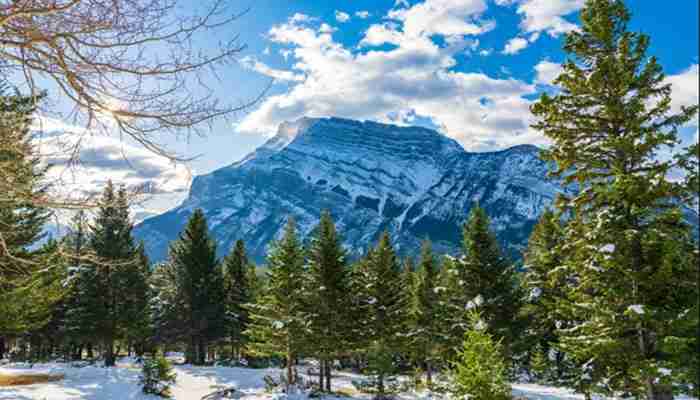
Winter creates a very different Green Mountain National Forest experience.
Possible activities include:
- Cross-country skiing
- Snowshoeing
- Winter hiking
- Winter camping
- Wildlife observation
- Scenic driving where roads remain open
Snow and ice can make familiar Green Mountain National Forest trails substantially harder.
Winter visitors should carry suitable clothing, navigation tools, traction equipment when needed, food, water, and emergency supplies.
Is There an Entrance Fee?
There is no single entrance fee for Green Mountain National Forest.
However, some campgrounds, recreation facilities, permits, or activities can have separate fees.
Visitors should check the individual Green Mountain National Forest recreation-site or Recreation.gov listing before traveling.
Where to Stay Near Green Mountain National Forest
Accommodation around Green Mountain National Forest depends on which part of the forest you plan to explore.
Camping
Options include:
- Developed Forest Service campgrounds
- Walk-in campsites
- Group camping areas
- Dispersed camping where permitted
- Wilderness camping where permitted
Nearby Towns
Travelers who prefer hotels, inns, cabins, or vacation rentals near Green Mountain National Forest can consider:
- Manchester
- Manchester Center
- Middlebury
- Rochester
- Bennington
- Stratton-area communities
- Winhall
- Peru
Choosing accommodation near your planned Green Mountain National Forest trailhead can reduce unnecessary driving.
Green Mountain National Forest Rules to Know
Visitors to Green Mountain National Forest should pay attention to:
- Campfire regulations
- Camping restrictions
- Wilderness rules
- Fishing regulations
- Hunting regulations
- Motor-vehicle restrictions
- Seasonal road closures
- Trail closures
- Dog rules
- Group-size limits
- Firewood regulations
- Invasive-species prevention
- Leave No Trace practices
Current Green Mountain National Forest closure orders should always take priority over information in older travel guides.
Dogs in Green Mountain National Forest
Dogs are allowed in many parts of Green Mountain National Forest, but rules can vary by location.
Visitors should check site-specific requirements before taking dogs to campgrounds, wilderness areas, or developed recreation sites.
Before hiking with a dog in Green Mountain National Forest, consider:
- Leash requirements
- Wildlife encounters
- Water availability
- Heat
- Insects
- Rocky terrain
- Mud
- Hiking distance
Accessibility
Accessibility varies throughout Green Mountain National Forest.
Developed recreation areas may provide accessible parking, campsites, toilets, beaches, or trails, while remote wilderness areas remain intentionally primitive.
Visitors with specific accessibility requirements should check the current Green Mountain National Forest recreation-site information before traveling.
Green Mountain National Forest Safety Tips
Remote terrain is part of the appeal of Green Mountain National Forest, but visitors should prepare carefully.
Cellular service may be unavailable in many locations, and emergency assistance can take longer to reach remote areas.
Before You Leave
Before entering Green Mountain National Forest:
- Check the weather forecast.
- Check current trail closures.
- Check road conditions.
- Download offline maps.
- Tell someone your itinerary.
- Carry enough food and water.
- Bring a first-aid kit.
- Carry navigation equipment.
- Check campground status.
- Bring extra clothing.
- Know expected daylight hours.
On the Trail
While hiking in Green Mountain National Forest, stay on designated trails where required and turn around if weather or trail conditions become unsafe.
Do not depend on your mobile phone as your only navigation or emergency tool.
Emergency Planning
Anyone entering remote sections of Green Mountain National Forest should know:
- The planned route
- Expected return time
- Exit points
- Nearby roads
- Emergency contacts
- Group capabilities
What to Pack for Green Mountain National Forest
What you pack for Green Mountain National Forest should depend on your activity, season, trip duration, and remoteness.
Day Hike Checklist
- Water
- Food or snacks
- Map
- Navigation device
- Phone with offline maps
- First-aid kit
- Extra clothing layer
- Rain protection
- Headlamp
- Emergency supplies
- Insect protection
- Sun protection
Camping Checklist
- Tent
- Sleeping bag
- Sleeping pad
- Stove and fuel
- Cooking equipment
- Water treatment
- Food storage
- Extra clothing
- Camp lighting
- Fire-starting supplies where permitted
- Waste bags
Visitors camping at Grout Pond in Green Mountain National Forest should pay particular attention to current drinking-water and construction alerts.
One-Day Green Mountain National Forest Itinerary
A one-day Green Mountain National Forest visit works best when you focus on one area rather than trying to cover the entire forest.
Morning
Start with one hiking trail, waterfall, or scenic destination.
Afternoon
Combine your hike with:
- A pond
- Recreation area
- Scenic drive
- Picnic
- Nearby town
Evening
Finish your Green Mountain National Forest activities before dark, especially if your return route uses remote Forest Service roads.
Green Mountain National Forest Weekend Itinerary
Day 1: Hiking and Scenic Views
- Morning: Begin a mountain or waterfall hike.
- Afternoon: Visit a pond or recreation area.
- Evening: Camp inside Green Mountain National Forest or stay in a nearby town.
Day 2: Water or Forest Recreation
- Morning: Go fishing, paddling, or take an easier hike.
- Afternoon: Enjoy a scenic drive through the Green Mountains.
- Evening: Return home or continue exploring Vermont.
Three-Day Backcountry Itinerary
Experienced hikers can use Green Mountain National Forest for a longer backpacking trip.
Day 1: Hike from your trailhead to an established overnight destination.
Day 2: Continue along a long-distance trail or connect with another designated route.
Day 3: Complete the route and return via your planned exit point.
Arrange transportation before beginning any point-to-point Green Mountain National Forest backpacking route.
Green Mountain National Forest vs. White Mountain National Forest
Travelers sometimes compare Green Mountain National Forest with White Mountain National Forest because both offer classic New England mountain scenery.
| Feature | Green Mountain National Forest | White Mountain National Forest |
|---|---|---|
| State | Vermont | New Hampshire and Maine |
| Landscape | Green Mountains | White Mountains |
| Long-distance trails | Long Trail and Appalachian Trail | Appalachian Trail and other routes |
| Character | Forests, ponds, ridges and wilderness | Peaks, valleys and alpine terrain |
| Foliage | Excellent | Excellent |
| Camping | Developed and primitive options | Developed and backcountry options |
| Winter recreation | Strong | Strong |
| Planning challenge | Remote roads and dispersed recreation | Mountain weather and heavily visited peaks |
Green Mountain National Forest is particularly appealing to visitors seeking Vermont scenery, long-distance trails, ponds, wilderness, and dispersed recreation.
Green Mountain National Forest vs. Vermont State Parks
Green Mountain National Forest also differs from Vermont’s state parks.
| Feature | Green Mountain National Forest | Vermont State Parks |
|---|---|---|
| Management | U.S. Forest Service | Vermont state government |
| Scale | Large and dispersed | Individual park units |
| Wilderness | Yes | Different types of primitive areas |
| Camping | Campgrounds and backcountry opportunities | Primarily developed park camping |
| Roads | Forest roads and seasonal routes | Park roads and public roads |
| Recreation | Broad range of outdoor activities | Varies by park |
| Best for | Large-scale forest and backcountry exploration | Structured park recreation |
Visitors seeking extensive backcountry exploration may find Green Mountain National Forest particularly useful, while state parks can offer a more centralized experience.
Common Mistakes to Avoid
When planning a Green Mountain National Forest trip, avoid these common mistakes:
- Treating the entire forest as one destination.
- Relying on outdated trail information.
- Assuming every forest road is passenger-car friendly.
- Depending entirely on cell service.
- Misunderstanding the combined 900-plus-mile trail figure.
- Ignoring seasonal closures.
- Entering wilderness without proper preparation.
- Forgetting drinking water or water treatment.
Green Mountain National Forest Travel Tips
A little preparation can make a Green Mountain National Forest trip much easier.
- Pick one region instead of trying to see everything.
- Download offline maps.
- Check current Forest Service information.
- Check Recreation.gov for campground updates.
- Review the latest MVUM.
- Carry extra drinking water.
- Start hikes early.
- Allow extra time for unpaved roads.
- Respect private property.
- Follow Leave No Trace principles.
- Secure food.
- Leave historic and natural objects undisturbed.
- Check weather immediately before departure.
Because Green Mountain National Forest conditions can change with weather and seasons, current information is more useful than relying entirely on older travel guides.
Green Mountain National Forest FAQs
1. How big is Green Mountain National Forest?
Green Mountain National Forest covers more than 400,000 acres in Vermont.
2. How many wilderness areas are in Green Mountain National Forest?
Green Mountain National Forest contains eight designated wilderness areas, including Breadloaf, Lye Brook, Peru Peak, and Glastenbury.
3. Is Green Mountain National Forest free to visit?
There is no general entrance fee for Green Mountain National Forest, although individual campgrounds, recreation sites, permits, and activities may charge fees.
4. Can you camp in Green Mountain National Forest?
Yes. Green Mountain National Forest offers developed campgrounds, walk-in camping, backcountry camping, and other camping opportunities where permitted.
5. When is the best time to visit Green Mountain National Forest?
The best season for Green Mountain National Forest depends on your activity. Fall is popular for foliage, summer for hiking and camping, winter for snow recreation, and spring for waterfalls.
6. Are there bears in Green Mountain National Forest?
Yes. Black bears live in Green Mountain National Forest and other forested parts of Vermont. Visitors should secure food and avoid approaching wildlife.
7. Does Green Mountain National Forest have cell service?
Cell coverage in Green Mountain National Forest can be unreliable or completely unavailable in remote areas.
8. What is the closest town to Green Mountain National Forest?
There is no single closest town because Green Mountain National Forest covers a large area. Manchester, Middlebury, Rochester, Bennington, and other Vermont communities provide access to different sections.
Final Thoughts
The Green Mountain National Forest is best understood as a large collection of mountains, forests, ponds, waterfalls, trails, wilderness areas, campgrounds, historic sites, and outdoor recreation destinations rather than one single attraction.
For your first Green Mountain National Forest visit, choose one clear goal. That might be a short hike, waterfall, campground, scenic drive, pond, or section of the Appalachian Trail or Long Trail.
Once you know which part of Green Mountain National Forest you want to explore, check road restrictions, campground conditions, trail closures, weather, water availability, and current Forest Service notices.
Whether you’re planning a waterfall hike, camping weekend, fall foliage drive, scenic road trip, or multi-day backpacking adventure, Green Mountain National Forest rewards visitors who prepare in advance.
With the right planning, Green Mountain National Forest offers everything from easy woodland walks and family recreation to remote wilderness travel and challenging long-distance hiking.
Before every Green Mountain National Forest trip, verify current information with the U.S. Forest Service and the relevant Recreation.gov facility page, particularly during spring mud season, winter, fall foliage season, construction periods, and temporary road closures.